Futuristic technological developments are not an anomaly today. In the transportation industry particularly, there has been significant improvement in varying engine solutions. The electric engine revolutionizing the passenger vehicle, with the hydrogen fuel-cell engine hot on its heels as both a complement and competitor. However, space technology is also advancing rapidly, and this continued development is important for advancements in space travel.
ROSA as an alternative to standard solar arrays
Solar arrays refer to solar panels which are arranged together in order to capture sunlight and convert it into electricity. They operate using photovoltaic technology, where the solar panels are connected in a series or parallel configuration. Solar panels took off as one of the first major pieces of eco-coconscious technological developments, and have achieved widespread commercial success.
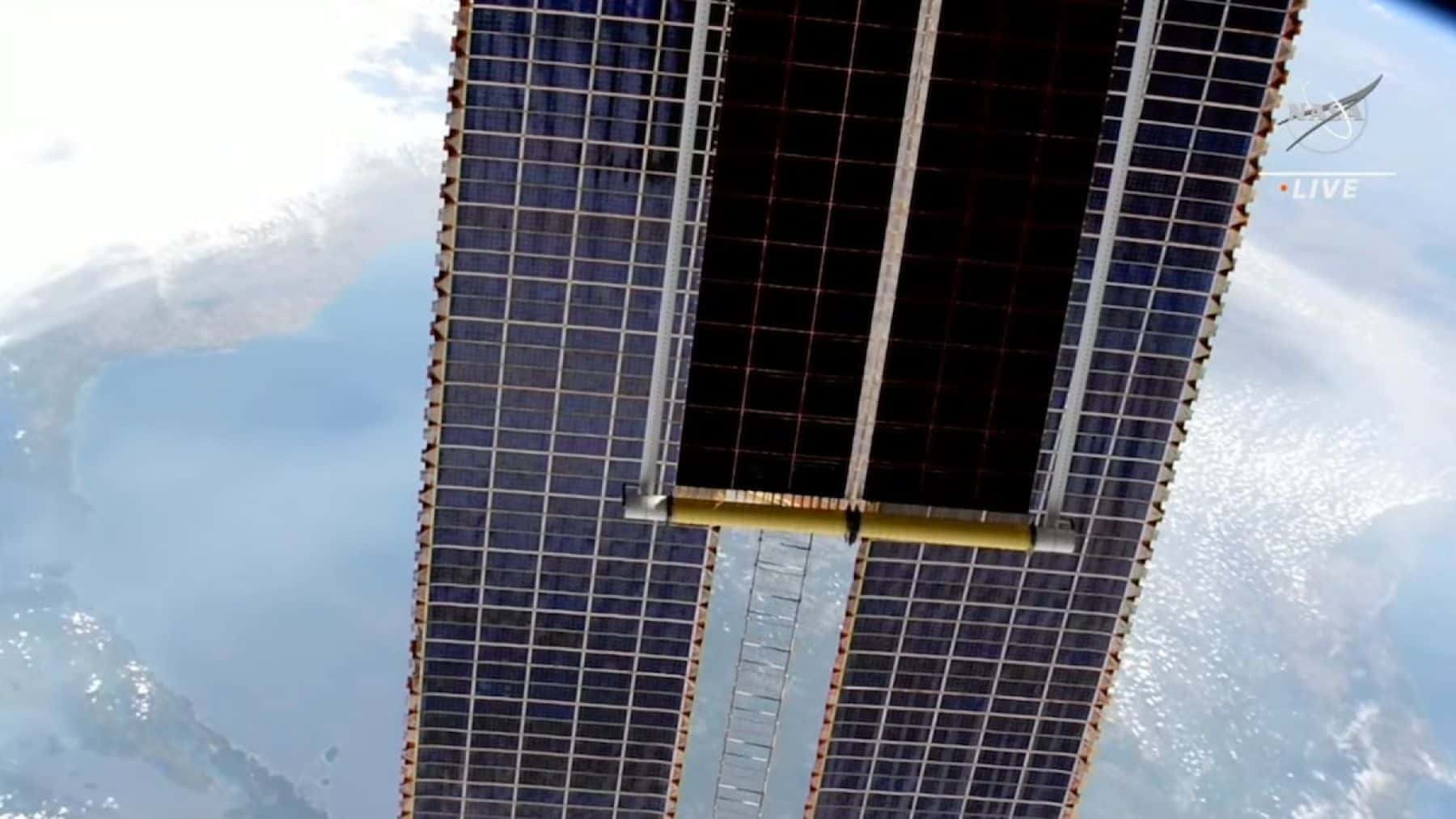
However, putting this technology into space is a whole different story. Not only are they expensive to send into space, but they are also heavy and complex to operate. However, Redwire Corporation has developed a new generation Roll-Out Solar Array (ROSA) wings. ROSA is an alternative way of producing solar arrays specific for space use. Of numerous advantages, they are much more compact and affordable as well as provide autonomous capabilities.
The ROSA wings are intended to be put onto the International Space Station. These are used in exactly the same way as standard solar array technology, in that they convert energy from the sun into electricity which powers the International Space Station. Solar power is the only source of electricity for the International Space Station, so it is vital that the ROSA wing technology is effective.
Breakthrough technology for solar energy
ROSA was a breakthrough piece of technology. The problem with using traditional solar power array setups was that solar panel designs are more effective based on their size. Installing bigger solar panels means a m ore expensive launch. In addition, the solar panels need to be reliable and durable in order to withstand the conditions in space like extreme temperature differences, radiation, and micrometeoroid impacts.
ROSA panels answer these problems through their innovative design. They are compact, and can roll up when launched. This makes them easy to transport while keeping a large surface area. Unlike traditional solar panels, ROSA is autonomous, meaning human maintainence is not as needed. While they are smaler than traditional solar arrays, that doesn’t stop them from being effective. They can more than 30 kilowatts per panel.
Improving future space station developments by NASA
The ROSA designs hold potential for future space station developments. “With eight IROSA wings produced, and six currently deployed and powering the ISS to date, IROSA is a proven technology for powering sustained human activities in space,” said Peter Cannito, Redwire Chairman and CEO. “The technical success of the program paves the way for new opportunities for commercial space stations and sustained power infrastructure on the Moon and beyond.”
Currently, ROSA systems are being built by Redwire as part of the Power and Propulsion Element for NASA’s Gateway program. This program forms part of NASA’s Artemis program, and their Astrobotic’s Lunar Vertical Solar Array program. These programs are part of a broader objective to provide sustainable power on the moon. This could contribute towards the possibility of having a permanent human presence on the Moon.
The new technology paves the way for accelerated space program developments as they provide a stable power supply which is cost effective for a space station. With researchers still looking for ways to get a manned mission to Mars, ROSA could play a role in getting us the red plant faster. They also have the potential to power other spaceflight platforms.