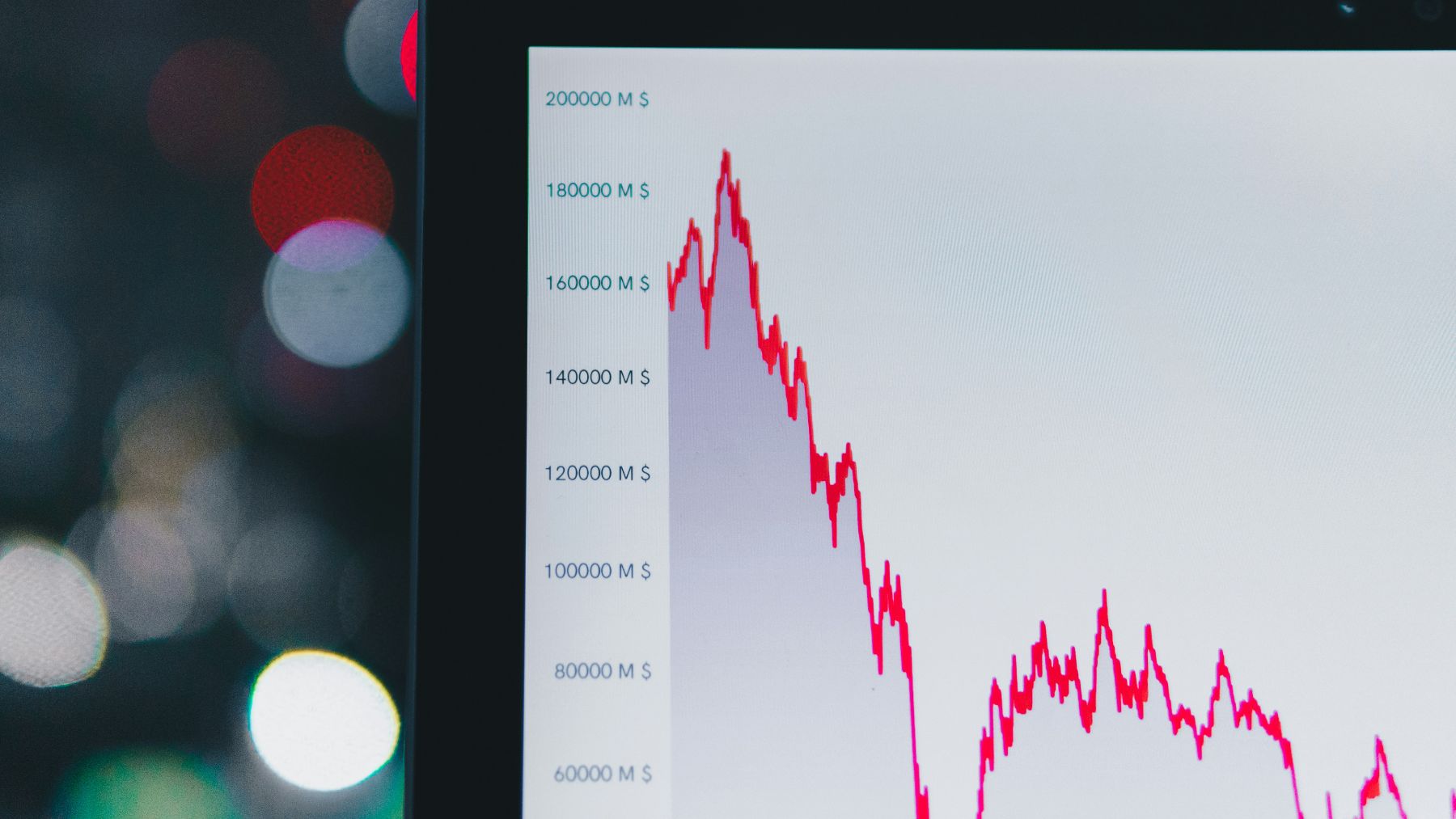
Investing is a key strategy for building wealth over time but in order to maximize returns and minimize risk, it’s crucial to maintain diversity in your portfolio. A diversified portfolio spreads investments across different asset classes, such as stocks, bonds, real estate, and alternative investments like commodities or cryptocurrencies. This approach helps protect against market volatility, as different assets may perform well at different times.
Stock market concentration calls for diversification by investors
The past year has been characterized by a heavy concentration of gains in a small group of U.S. tech stocks, particularly the “Magnificent Seven” mega-cap companies. The S&P 500 has experienced one of its sharpest rallies since 1928, rising by 29% over the last 12 months. However, this high concentration of growth leaves investors vulnerable to potential setbacks. This is especially true if these leading tech stocks face disappointing results.
To mitigate this risk, analysts at Goldman Sachs suggest that investors should start diversifying their portfolios now to protect themselves against possible declines and ensure more stable, long-term growth. “Given high valuations and unusually high concentration in equity markets, we focus on diversification to improve risk adjusted returns,” the analysts said.
Inflation is high, but stocks are up?
Just because cost-of-living is high does not mean that stocks and investors are not doing well. The stock market often reflects investor sentiment and future growth expectations, which can remain positive even in the face of rising living costs. Companies, particularly in sectors like technology, healthcare, and energy, may still show strong earnings growth, driving stock prices higher. Additionally, government stimulus measures and low interest rates can fuel market growth by encouraging investment and borrowing.
“While the rise in interest rates over the past couple of years dented the relative earnings growth of the technology sector, its superior growth rate has resumed over the past year,” says Goldman Sachs analyst Peter Oppenheimer.
“The US economy is bigger and stronger than others and the growing trend towards US listings by foreign-based companies has added to this effect,” says Oppenheimer with regards to the current strength of the U.S. economy. According to Goldman Sachs Research, the higher valuation of the US equity market compared to the rest of the world is justified by its superior returns and profitability.
How to diversify your investments
Goldman Sachs suggests that one way you can diversify your portfolio is by expanding your exposure to non-tech U.S. companies by using indexes such as the equal-weighted S&P 500. In addition, they suggest that investors focus on overseas companies that generate a substantial portion of their revenue in the U.S. However, the election of Donald Trump as president of the U.S. is likely to boost capital-markets activity.
An important thing to bear in mind is that since 1929, Goldman Sachs analysts have reported that economic performance of stocks and investments over the previous year is not highly correlated with investment performance for the following year. This underscores to investors that just because your investments are doing well now does not mean they will continue to do so, hence the need for diversification to protect your assets.
Diversifying your investments is a crucial strategy for managing risk and ensuring long-term financial stability. By spreading your investments across different asset classes, sectors, and geographic regions, you reduce the impact of market volatility and protect yourself from potential losses in any one area. Diversification allows you to capture growth from various sources while mitigating the risks that come with economic fluctuations or unforeseen market events. Ultimately, maintaining a well-diversified portfolio is one of the most effective ways to build and preserve wealth over time, helping you stay resilient in the face of uncertainty.
DisClamier: This content is informational and should not be considered financial advice. ECOticias is not responsible for any financial losses