This brand-new hydrogen beast will soon hit the roads. While the world continues to search for renewable and sustainable engine solutions in order to ensure that pressing concerns for the well-being of the climate are met, the transportation industry has continued to look for myriad solutions to phasing out internal combustion engines. These solutions, while largely dominated by the electric engine, include other alternative engine solutions such as hydrogen fuel-cell vehicles and biofuel technology.
Increasing the presence of alternative engine technology
The transportation industry for the past decade has been dominated by discourse regarding the use of fossil fuels, with automobile developers needing to showcase a commitment to the future of the planet by demonstrating an ability to provide advanced alternative engine vehicle options for consumers while also pledging towards carbon neutrality in order to remain competitive.
This type of technology in the passenger vehicle world has been largely dominated by the electric vehicle. In terms of global alternative engine sales, this technology comes out on top, with the majority of global alternative vehicle model sales being hybrid technology. However, the sales of electric and other alternative engine developments have begun to stall recently, not due to the lack of advanced technology offered by automobile developers, but largely due to the high entry-level prices of these vehicles, as well as stakeholders outside of the transportation world lack of contributions towards scaling up supporting infrastructure for these vehicles.
However, certain locations around the world are offering hope to other regions on what a future without the internal combustion engine could look like. Countries like Norway are well on their way to having total electric engine adoption by their population, with the country last year attributing 89% of new vehicle sales to electric vehicles. The country hopes to have this number reach 100% adoption by the end of this year.
New ‘hydrogen beast’ from this automobile developer
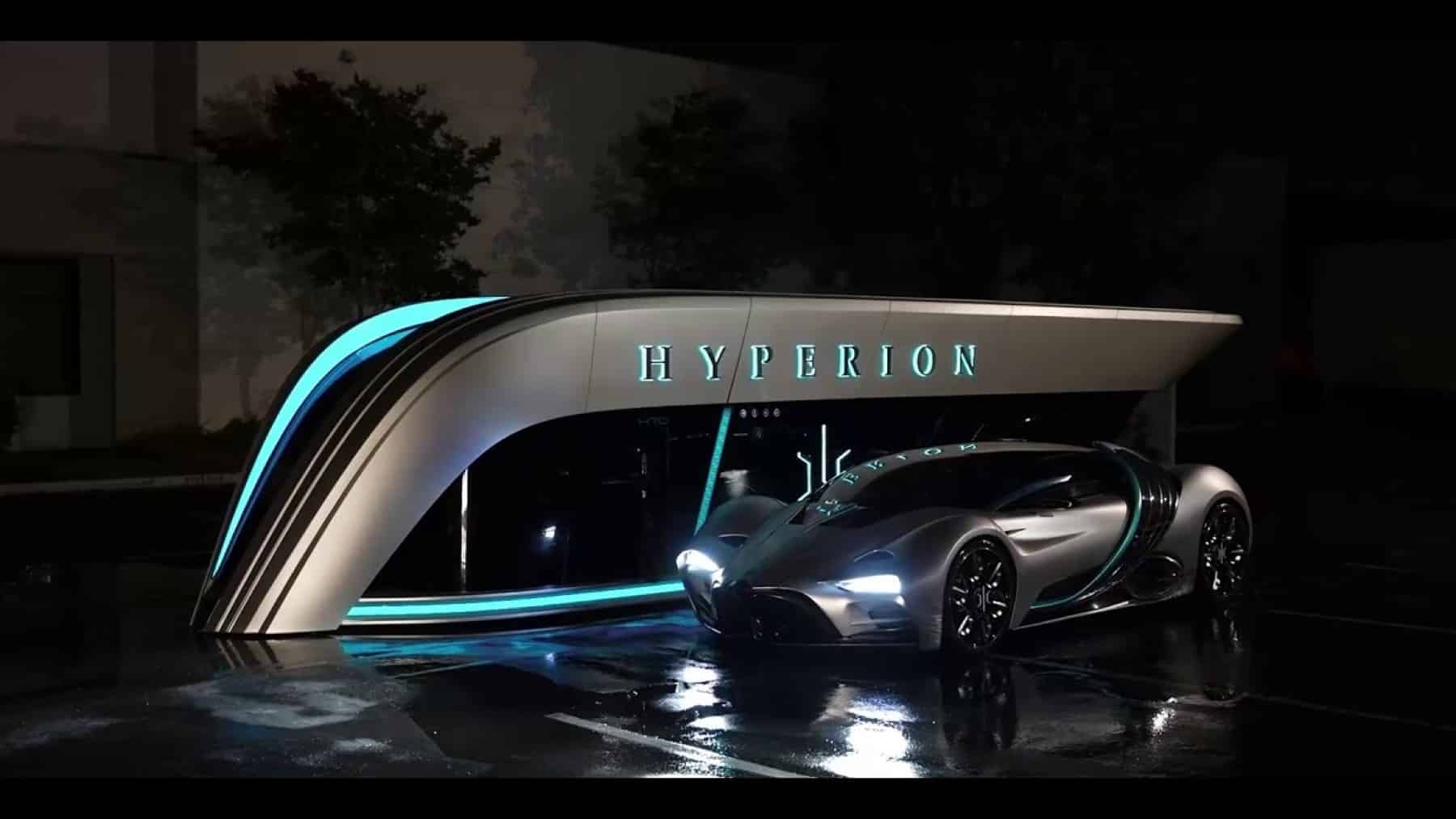
While electric vehicle developments remain the most popular among automakers, hydrogen fuel-cell developments continue to grow, with more automobile developers looking to add hydrogen fuel-cell models to their lineups in addition to their electric vehicle range. Earlier this year, Hyperion Motors released a video of their model XP-1, which is set to be the world’s first hydrogen supercar produced by an American automobile manufacturer.
Using fuel-cell technology, the vehicle is able to achieve an output of 2,038 horsepower, allowing it to reach 100 kmph in less than 2.2 seconds, with a maximum speed of 356 kmph. The vehicle has a maximum driving range of 1,635km before needing to be refueled, which takes between three to five minutes. One of the most significant advantages of hydrogen fuel-cell vehicles over electric vehicles is that their refueling time is substantially faster. The vehicle is currently priced at $2 million, with Hyperion Motors currently accepting orders for the vehicle.
Can hydrogen and electricity work together?
While automobile developers who continue to push hydrogen fuel-cell technology have been somewhat criticized by those who believe the way forward in the passenger vehicle world is only through the adoption of the electric vehicle, that has not stopped them from continuing to develop this technology.
“We are collaborating with companies that would traditionally have been our competition to develop standards for hydrogen fueling connections and protocols…” described Jay Sackett, Toyota’s chief engineer of advanced mobility, in a press release.
Japanese automakers in particular have been leading the production of these engines, strongly believing that both hydrogen and electric vehicles are needed in order for the passenger vehicle world to reach carbon neutrality. Toyota has been a major champion of this technology, not only pushing for its adoption but also working with other automobile developers to assist them with developing their own hydrogen-fuel cell models for the sake of the planet’s future.
Disclaimer: Our coverage of events affecting companies is purely informative and descriptive. Under no circumstances does it seek to promote an opinion or create a trend, nor can it be taken as investment advice or a recommendation of any kind.