The new fuels are leaving the road very complicated for the spread of EVs, something we almost took for granted two or three years ago. However, one of them is standing out more than the rest, and it is not hydrogen. One brand has just developed a high-speed engine that has the whole of America on tenterhooks, with the pundits keeping an eye on what this strange fuel is proving.
Have we discovered a fuel better than hydrogen? This one can be the answer
Methanol has surfaced as a more suitable candidate for the use as a marine fuel. It is also commonly called methyl alcohol, and it is one of the simplest subgroups of alcohol obtained from natural gas, coal, or biomass materials. This fuel has been receiving consideration in the shipping industry, but now also in cars.
As far as exhaust emissions are concerned, lignin and methanol both show a significant reduction in sulfur oxides, nitrogen oxides, and particulate matter emissions with a potential decrease of up to 99% as compared to the conventional marine fuels such as heavy fuel oil and marine gas oil.
Methanol is also a liquid fuel at ambient temperature and its physical property with respect to density is with-in the range which will not pose compatibility problems to the currently used marine engines, fuel systems and infrastructure. It also enables methanol to be easily introduced to existing vessels.
By developing a better understanding of its combustion process and outstanding qualities such as low emissions, compatibility with currently used fuel oil systems, methanol can emerge as a marine fuel of the future with reinsroduced IMO 2020 standards and advancing sustainability efforts.
This methanol engine could be the end of EVs, but also of hydrogen motors
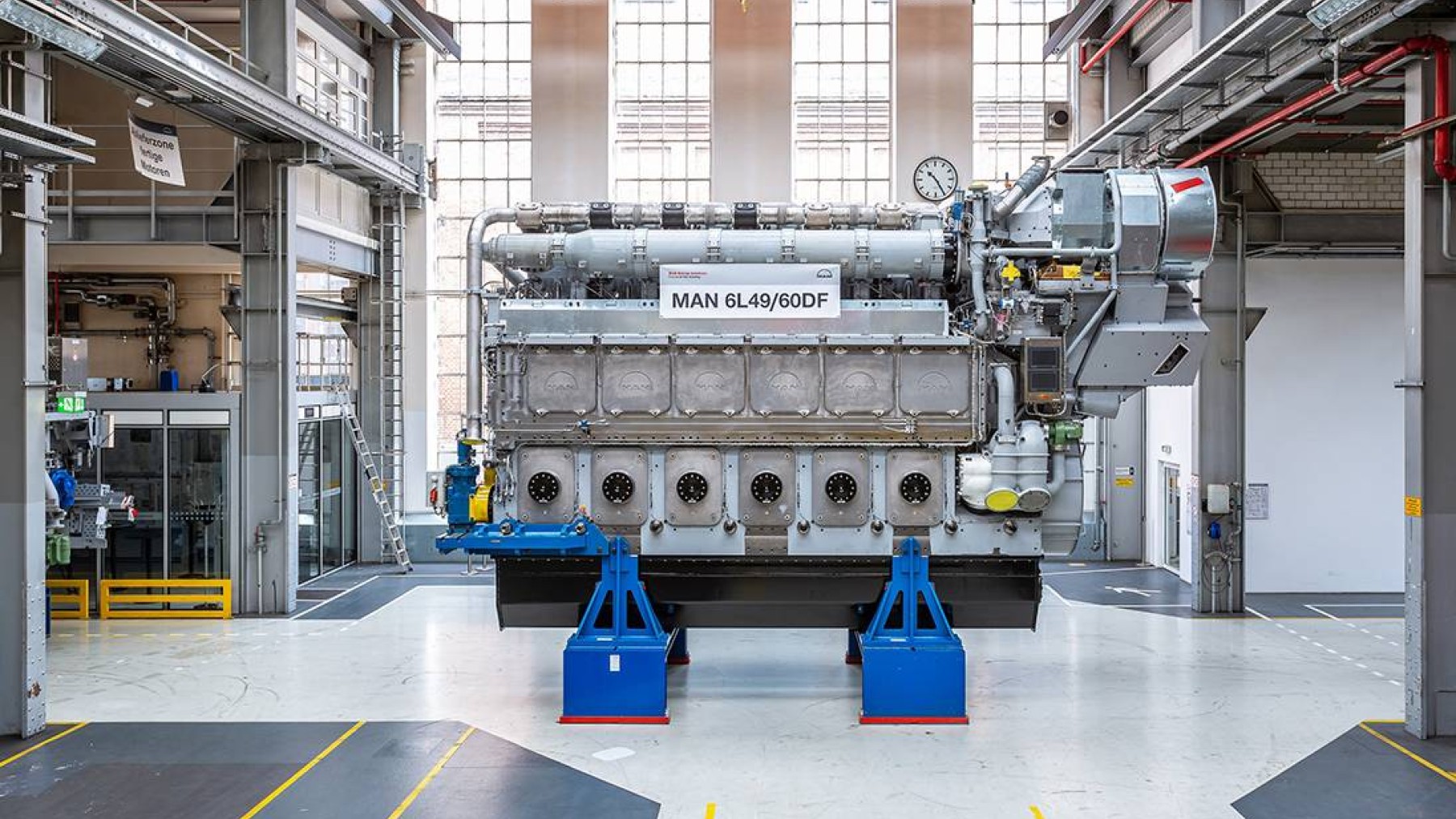
MAN Energy Solutions mainly produces marine engines and has released the latest dual-fuel methanol engine, the MAN 175D, which will have the ability to arrive by the end of 2026. This engine can burn methanol, fuel oil and MDO; which give the ship owners an option to choose the fuel to use.
MAN 175D is a type of V 12-cylinder engine that possesses the capability to produce a power output of between 2,700 kW per cylinder for a rotational speed of 720/750 rpm. ME-GI is developed from successful ME-LGI dual fuel solution, however, some further specific modifications for methanol are made:
Key features of the new 175D engine include:
- High power density from its compact V12 design.
- Optimization for low-pressure methanol injection.
- Advanced fuel injection system for maximum efficiency.
- Minimal methane slip and low NOx emissions.
- Capable of quick load changes and operation at low loads.
- Complies with Tier III emissions limits without aftertreatment.
The 175D model offers a reasonable long-term investment for newbuilds changing their fuel to more environmentally friendly ones like methanol. This quick switch capability is helpful in transition during the industry’s energy source change.
Can be possible to develop a methanol supply chain: the problem we have not realised
Methanol has a defined and well-entrenched structure of supply chain in its production and logistics due to its status as a commodity chemical. This is because applying the oil in marine fuel calls for establishment of production requisites for marine bunkering.
Methanol can be synthesized from different raw materials like natural gas, coal, biomass and even wastes carbon dioxide. Methanol can be produced facilely also because methanol production facilities can be small and constructed near the ports and demand centers.
Methanol also has such favourable characteristics in its physical nature that would make it easier to store and handle than most other practical AFs. It is liquid at room temperature and the existing storage tanks of the present facility could be adapted for usage.
What do you think about the viability of this new fuel in cars? The truth is that this methanol engine opens the door to more possibilities than hydrogen, although it may not be as efficient. The aim of the sector is to continue innovating in alternatives like this, more to look for new options than to boost the ones we have on the table right now (at least until EVs become widespread).