Nearly a quarter of the U.S’s population is made up of immigrants. Many immigrants living in the U.S. may be wondering if they are eligible to claim for stimulus checks. Stimulus checks aim to promote economic activity due to times of low economic spending due to widespread financial difficulties. These checks often provide much needed economic relief during periods of difficulty paying expenses. Stimulus checks can make a significant short-term difference for families, and immigrant families are just as eager to participate in these payments.
Covid-19 and stimulus checks
During the Covid-19 pandemic, Congress released three rounds of stimulus checks to families nationwide. These checks were used to help families pay for expenses amidst income loss due to the pandemic. Many families suffered extreme financial hardship during Covid-19. Nearly 10 million individuals lost their jobs because of the COVID-19 pandemic while other families mourned the loss of income-generating individuals.
The first round of stimulus checks for families during the pandemic amounted to $1,200 and and additional $500 for dependents. The second round amounted to $600 per person and the third round saw $1,400 being distributed per person. If you did not receive this third round of stimulus payments or did not receive the full amount entitled to you, you are still eligible to claim this payment.
Immigrant status and filling for stimulus checks
The qualifying criteria to file for the third COVID-19 stimulus check if you never received it is as follows:
- A maximum income limit of $80,000 for single-filers and a maximum income limit of $160,000 for married tax-payers filling jointly.
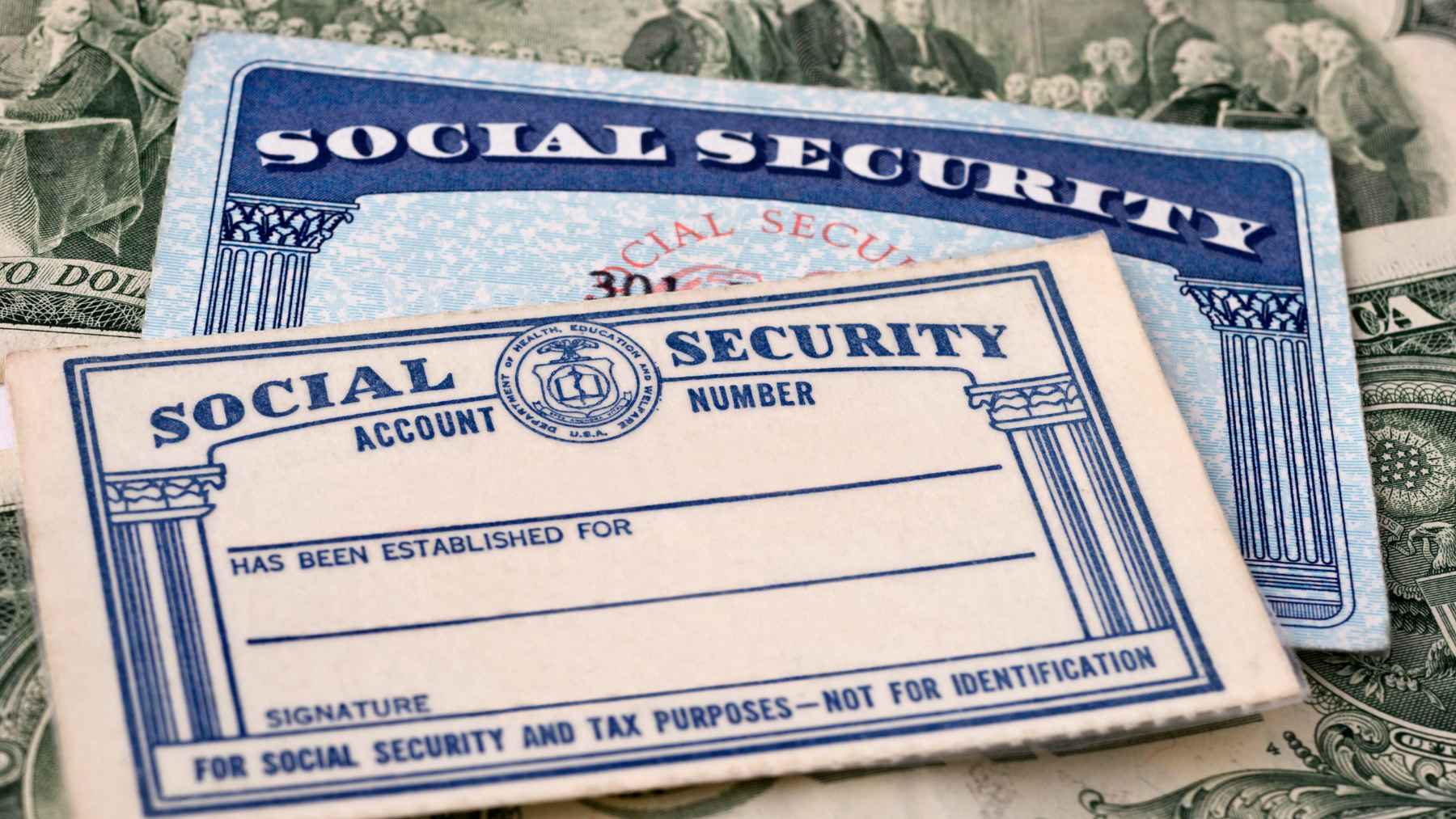
- You must possess a social security number to file and claim the stimulus payment and have permission to reside in the U.S
- File for the stimulus payment before 18 April 2025 by filing your 2020 and 2021 taxes to claim the Recovery Rebate Credit.
Immigrants may also qualify for the Recovery Rebate Credit worth $1,400. To qualify as an immigrant, you must be married to or be a dependent of a resident holding an eligible social security number. You may also claim for the payments if you are a permanent resident holder or qualifying resident alien.
Immigrants in the U.S. face unique financial challenges
Approximately 11 million people in the U.S. reside without official resident status. Immigrants living in the U.S. who are unauthorized often have limited access to banking services, experience higher rates of poverty, and are often excluded from certain government assistance programs. While stimulus programs are intended to offer financial assistance especially to those who receive a low- income, undocumented immigrants who face financial difficulties are often unable to receive this assistance.
Many undocumented immigrants have entered the U.S. fleeing from countries which are often either improvised, war zones, lack opportunity to earn an income, or are individuals who have been displaced. It is important to remember that undocumented immigrants have the right to receive assistance in hospitals and educate their children without reporting their immigration status.
Many undocumented immigrants work essential jobs in the U.S. but do not have access to social security and other government benefit programs due to their undocumented status. Currently, there exists no straightforward channel in the U.S. for undocumented immigrants to seek residence without risking being deported. To obtain legal entry into the U.S., you generally have to be outside of the country.
Stimulus payments are an essential resource to low- and middle-income families, however undocumented immigrant families struggle to also be apart of these benefits despite the contributions they make to the economy and society. Immigration laws are to be a focal point in determining who voters vote for in the upcoming November elections. While some believe that it should not be so difficult to enter into the U.S., others think that there needs to be stricter regulation.