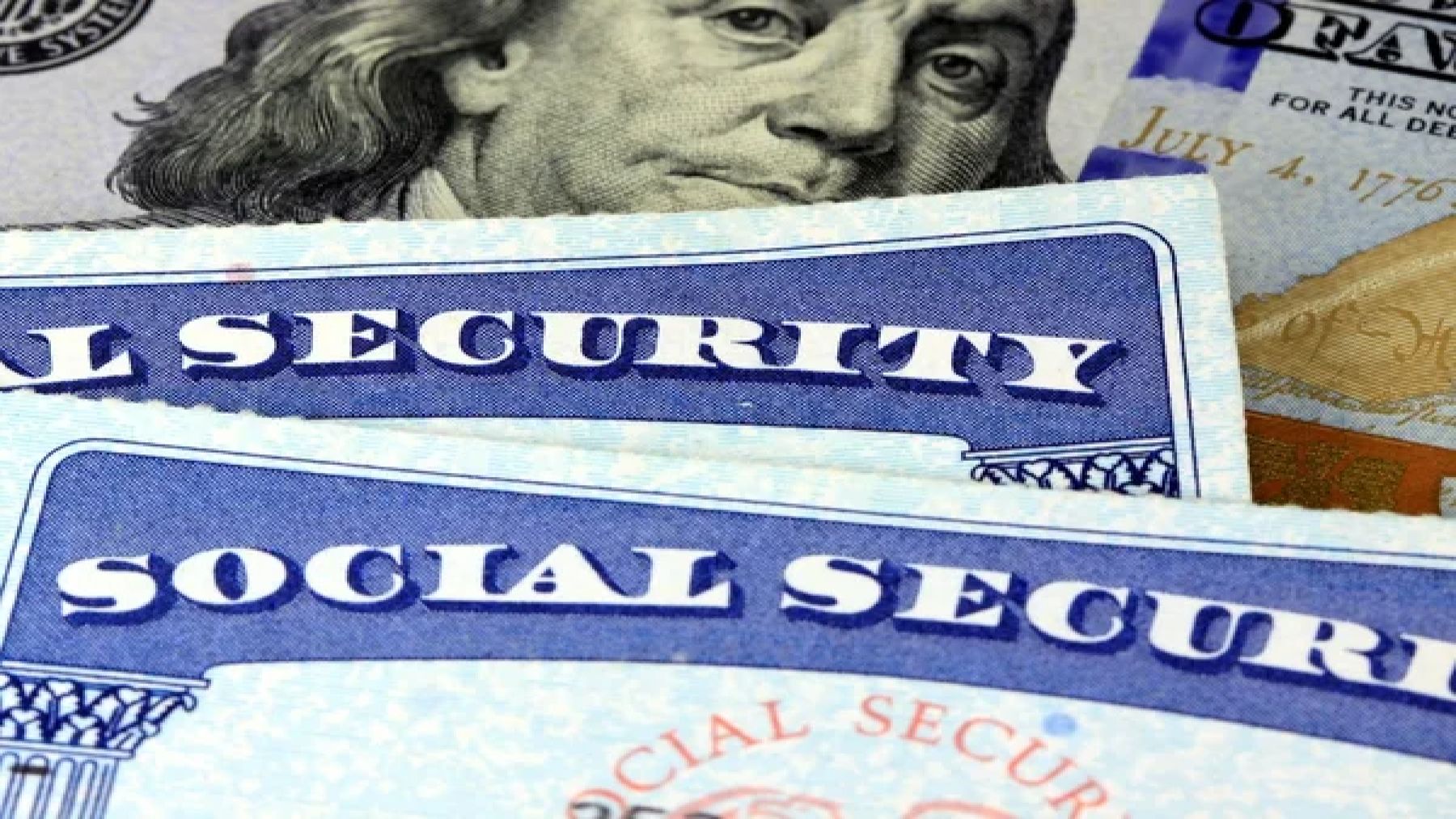
Starting in February 2025, Social Security payments will undergo significant changes due to the enactment of the Social Security Fairness Act, which was signed into law by President Joe Biden on January 5, 2025. This bipartisan legislation aims to adjust the way benefits are calculated for millions of retirees, particularly those who were affected by the Windfall Elimination Provision (WEP) and the Government Pension Offset (GPO). These provisions previously reduced or eliminated benefits for public employees, such as firefighters, teachers, police officers, and federal government employees with pensions that were not subject to Social Security taxes.
Benefits boost for eligible retirees
The repeal of the Windfall Elimination Provision and Government Pension Offset is set to provide substantial increases in Social Security payments for 3.2 million retirees. These provisions had previously reduced the benefits for individuals who had worked in jobs not covered by Social Security but who had earned credits through other employment. For example, public employees who participated in pension systems not subject to Social Security taxes saw their benefits reduced.
According to the Congressional Budget Office (CBO), retirees who had their Social Security income reduced due to the WEP could see an average increase of $360 per month, while spouses and survivors affected by the GPO could see boosts of $700 and $1,190 per month, respectively. This could be a transformative change for many families, offering them more financial flexibility, particularly as costs for essentials like food, housing, and medical care continue to rise.
While these increases will be welcomed by many, it is important to note that retroactive payments for the years when these provisions were in effect will also be provided. However, the backpay will not be distributed immediately and retirees may have to wait up to a year to receive these retroactive benefits.
Implementation timeline and what retirees need to know
Changes to Social Security payments under the Social Security Fairness Act will begin in 2025 with adjustments to be made starting in February. For retirees who are already receiving Social Security benefits, no action will be needed but the Social Security Administration (SSA) urges individuals to verify that their mailing address and direct deposit information are current. Those who have never filed for Social Security benefits will need to apply online at SSA.gov or schedule an appointment with the SSA.
Retirees will not have to refile for benefits; their payments will be automatically adjusted. It is important for retirees to be prepared with the necessary documentation when applying, including birth certificates, Social Security records, marriage certificates, and tax forms from the previous year. These adjustments will begin in 2025, and those affected will begin receiving the increased amounts as soon as the changes take effect.
Concerns about social security funding
While the passage of the Social Security Fairness Act is a win for retirees, it also raises concerns about the long-term sustainability of the Social Security program. According to the CBO, the Social Security trust is projected to become insolvent by 2034 and the recent changes could accelerate this shortfall. If the trust becomes insolvent, Social Security benefits may be reduced by 23% unless new funding sources are identified.
Several potential solutions have been proposed to address the looming insolvency issue. These include raising the age at which retirees can begin collecting benefits (currently set at 62) or removing the income cap on Social Security taxes. Currently, only the first $176,100 of an individual’s income is subject to the 12.4% Social Security tax but removing or raising this cap could provide additional funding to ensure the program’s longevity.
In light of these challenges, many workers remain concerned about the future of Social Security. A recent survey found that 73% of workers are worried they will not receive the benefits they’ve paid into for decades. As the program faces increasing financial pressures, these changes may only be a temporary solution unless further action is taken.