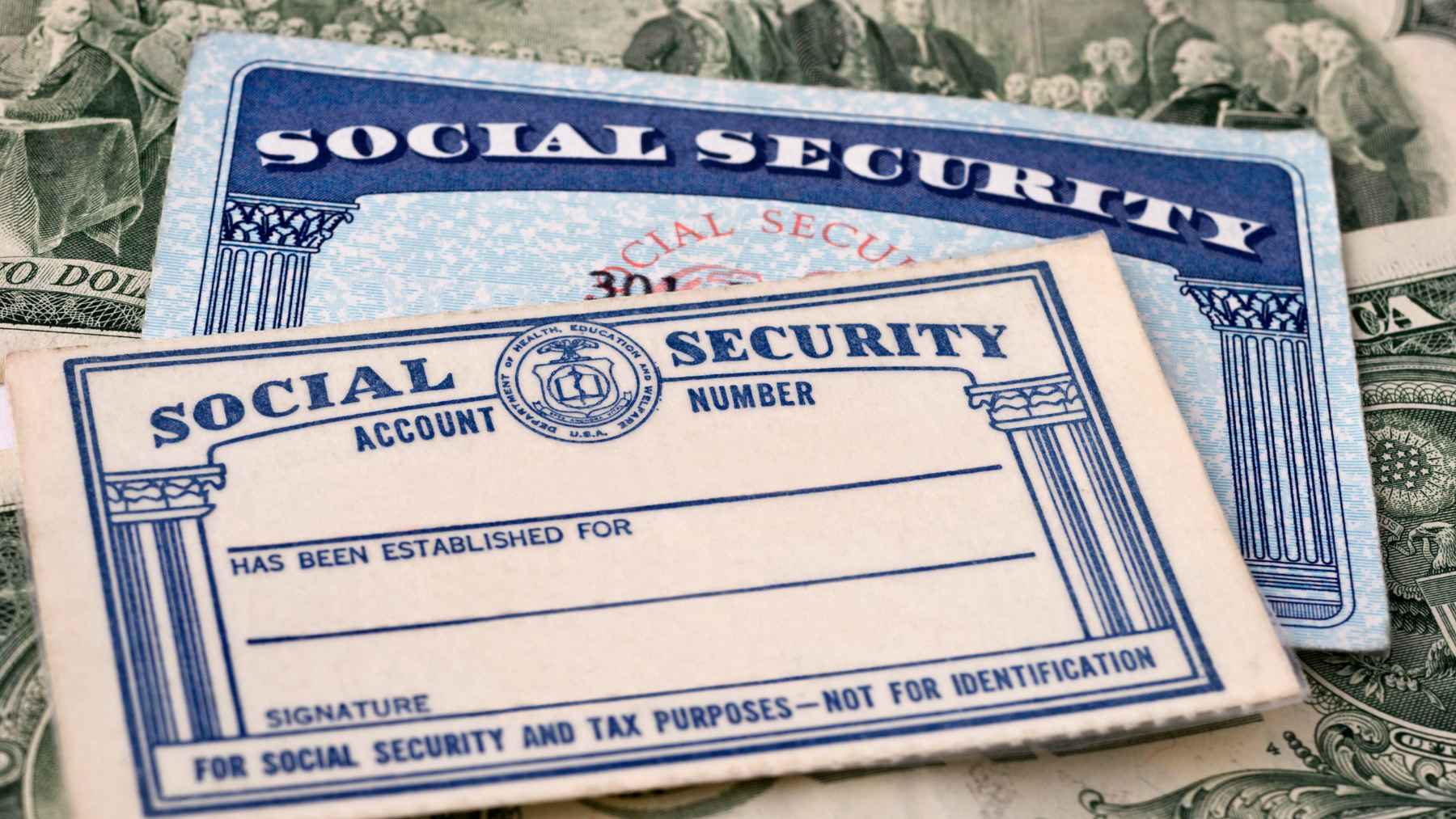
Stimulus check scams are not an uncommon phenomena. As a beneficiary of stimulus checks, it is very important that you keep yourself informed on any payment updates only through official government channels. Most people who receive stimulus payments are from vulnerable populations which scammers pry on. Recently, the IRS has issued a warning to beneficiaries to beware of a payment scam asking beneficiaries for their payment details.
Scams increase during the tax-paying season
The tax-filing season opened on January 27. Generally, the IRS sees an increase in scams around this time. This is generally because there is an increase in communication between taxpayers and the IRS. Scammers pretend to be communicators from the IRS, which is seen as less suspicious at this time of the year. Phishing, a type of cyberattack where attackers impersonate legitimate organizations or individuals to trick people into divulging sensitive information, is particularly common during this period.
$1,400 IRS stimulus payment scam alert
Recently, scammers have been sending phishing messages to tax-payers, convincing them that they are eligible for a $1,400 stimulus payment, but requesting that they must provide their personal information to receive the payment. The $1,400 stimulus payment is referring to the unclaimed 2021 Recovery Rebate Credit some individuals qualify for if they did not receive it during the pandemic.
“You are eligible to receive an economic impact payment of $1,400. Please provide your accurate personal information. We will deposit the amount into your bank account or send you a paper check within 1 to 2 business days,” reads a text message broadcast by North Carolina television channel WSOC-TV.
However, if you are eligible for these payments, there is no further action required on your part. Payments are set to be automatically distributed into your bank account. Scammers are trying to take advantage of beneficiaries lack of knowledge of how the payments are being distributed by convincing them that they need to provide payment details in order to receive the much needed checks.
“To make the process easier and ensure this money gets to those who need it, we are making these automatic payments, which means taxpayers will not have to file an amended return to receive it,” said Danny Werfel, IRS commissioner, in a December statement.
How to protect yourself from phishing scams
With the tax-filing season upon us, it is important to remain vigilant to online scams. The IRS lists the following scams as particularly prevalent you should watch out for:
- Charity impersonators
- Credits and refunds misinformation
- Disaster fraud
- Tax debt settlement or relief services
- Unclaimed tax refund
- Unemployment clams identity theft
- Unexpected tax bill
- W-2 Form fraud
Seniors are one of the most vulnerable populations prone to financial scams. “Scammers often target seniors, attempting to steal personal information through phone calls, emails or text messages by pretending to be from the IRS or other agencies or businesses,” said IRS Commissioner Danny Werfel. “Preventing these types of scams requires assistance from many different places. By partnering with other federal agencies and others in the tax community, we can reach more seniors and other taxpayers to help protect them against these terrible scams.”
On the IRS website, the following points are stated for individuals to remember when it comes to verifying if communication is from the IRS or not:
- The IRS will never demand immediate payment via prepaid debit cards, gift cards or wire transfers. Typically, if taxes are owed, the IRS will send a bill by mail first.
- The IRS will never threaten to involve local police or other law enforcement agencies.
- The IRS will never demand payment without allowing opportunities to dispute or appeal the amount owed.
- The IRS will never request credit, debit or gift card numbers over the phone.
Always ensure that you remain informed through the IRS website, or other official government channels, when it comes to updates for stimulus payments and other financial information.