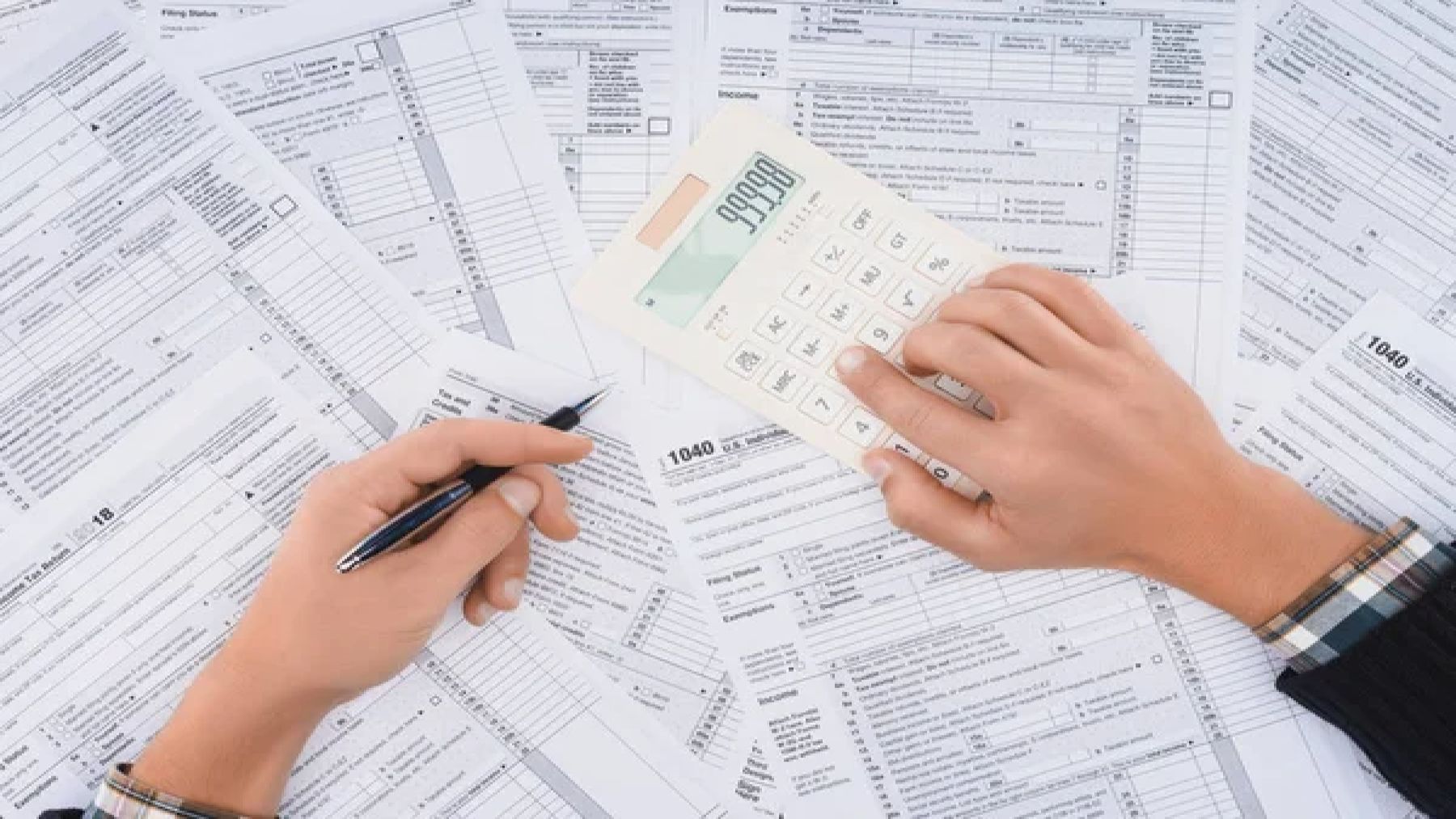
It’s tax season for US citizens, which means most people will be filing their tax returns to report on their income tax and apply for tax refunds. It is a federal law to report on your income tax if you earn above a certain threshold. In addition, you must also file your taxes even if you do not meet the minimum income requirements if you want to qualify for certain refunds or credits. If you have filed your taxes recently, you may be receiving a tax refund this month.
Who must file their income tax?
In the US, income tax is dependent on how much gross income you earn. There is no flat income tax rate; rather, you pay a percentage of your income to the IRS depending on which tax bracket you fall into. Taxable income is any income you earn from employment, running a business, investments, benefits, and other income earned through prizes or lottery winnings.
According to the IRS, you must file a tax return as a single tax payer if your gross income exceeds $14,600 if you are under the age of 65. Anyone who earns below this does not need to file a tax return. If you are over the age of 65 and are a single filer, you must file a tax return if your gross income exceeds $16,550.
These baseline income requirements change depending on if you are the head of a household, are married and filing jointly, and if you are a surviving spouse.
When to expect your tax refunds this month
According to the official IRS website, after you have filed your tax return, you will not have to wait too long until you receive your tax refund, provided you qualify to receive one. Your refund times will also change depending on if you filed your taxes through direct deposit with an e-return online, or if you filed your taxes through the mail.
When you receive your refund also depends on whether you qualify for additional tax rebates, such as the Additional Child Tax Credit.
If you filed for the Additional Child Tax Credit, or the Earned Income Tax Credit, your refund will be processed by March 3, provided you have completed the following steps:
- Your return for the tax credits was filed online
- You indicated in your return that you would like to receive your refund by direct deposit
- There were no internal problems or inconsistencies with your return
As a general rule, most tax filers can expect to receive their income tax refunds within 10-12 days of filing the return. However, this quick turn around is only the case if you filed online and indicated that you would like to receive your refund through direct deposit. If you filed your returns through the mail, you may have to wait up to four weeks to receive your refunds.
What to do if the IRS contacts you
Often the IRS may contact you during tax season if there are inconsistencies with your tax return. The IRS stresses that this is not a reason to panic, and them contacting you is purely to help both you and them have your taxes filed correctly.
Often, when people receive a letter or notice from the IRS, they panic and do not open it. The IRS asks that any mailed communication from them must be opened and read thoroughly, as this is the only way they will ever contact you.
Tax season is prime time for scam artists to get your financial information out of you. Make sure that you only respond to communication from the IRS that is mailed and authorized. If you are unsure if the communication is legitimate, you can contact the IRS directly to check.