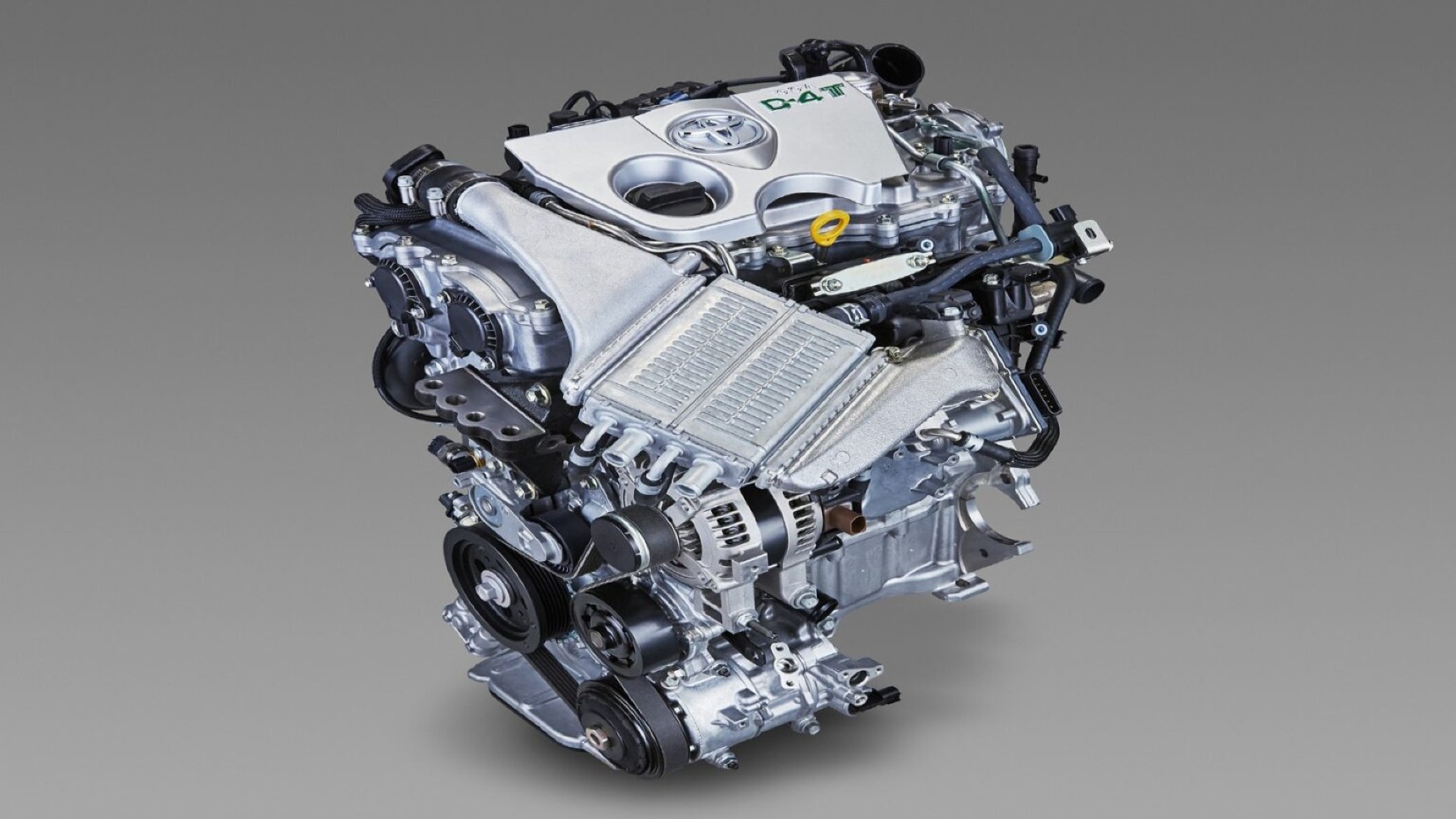
Despite global popularity and push for electric vehicles (EVs), Japan continues to make leaping developments with their hydrogen technology. According to Toyota, one of the largest Japanese and global automobile companies, they are developing and testing an “engine reborn”. In May earlier this year, Toyota announced that they are developing engines running on a combination of “green fuels” like hydrogen, bioethanol, and zero-emissions electric motors.
Hydrogen engines continue to be center-stage, but now with a twist
As of now, the world continues to favor EVs as the cars of the future. Tesla continues to be leader in EV development with a net worth of over $700 billion. In China, developers are looking at battery electric vehicles. To stay competitive, most major automobile companies have electric or hybrid cars in their portfolio. In 2023 hybrid electric vehicles, and battery electric vehicles (BEV) sales in the United States rose to 16.3% of total new light-duty vehicle (LDV) sales.
While Japan has been concentrating their efforts in hydrogen-powered engines, Toyota has surprised with their all encompassing engine efforts. This most likely comes with their goal to reach net-zero carbon emissions by 2050. Toyota currently has a range of electric and hybrid models on the market. Their innovative thinking to combine multiple alternative fuel types will push Toyota as a leader in the alternative energy world.
Adapted internal combustion engines with electric
Toyota’s new family of internal combustion engines (ICEs) will be light, compact, and will be designed to compliment the electric motors in hybrid vehicles. Toyota is not rejecting electric completely and understands that the market currently favors electric and hybrid vehicles. The focus on engines which embrace the electric era will be warmly embraced by green enthusiasts.
In addition, Toyota continues to develop and advance their ground breaking hydrogen engine technology. In a collaboration with Denso, the team have developed standardized fuel injectors that are capable of atomizing hydrogen gas under pressure within the combustion chambers. Despite hydrogens green perks, it is difficult to control combustion and this development includes the use of heat resistant components to account for abnormal combustion.
Bioethanol fuels are a new addition to Toyota’s green-energy development
In addition to electric and hydrogen efforts, Toyota is concentrating on developing engines which are also adaptable to bioethanol fuels. These fuels are made from organic matter and are already found in gasoline to power traditional combustion engines. Possibilities of utilizing pure biofuels as a source of energy without gasoline are being explored more as of late.
Toyota is pioneering a way to make biofuels a large scale production in emerging markets. Not only are they available across emerging markets, but are also committing to developing infrastructure to support these cars within these markets. Subaru and Mazda have also joined with Toyota within this effort to make alternative energy more accessible and a reality across the world.
What is significant about Toyota’s continued focus on hydrogen and biofuels is their recognition that not all regions around the world can easily support electric vehicles. Instead of trying to convert the world to be fully electric, they suggest that adapting the traditional internal combustion engine to be more green would make a much bigger global impact.
Nearly all EV sales for this year come form China, Europe, and the USA. The greater global South is still very much reliant on internal combustion engines. Toyota’s internal combustion green fuel alternatives is a realistic and practical solution to making alternative energy sources for automobiles more accessible to the rest of the world where new infrastructure does not need to be developed.
Toyota continues to be loyal to their global customer base, recognizing unique struggles of emerging markets and finding a solution to make green energy worldwide.