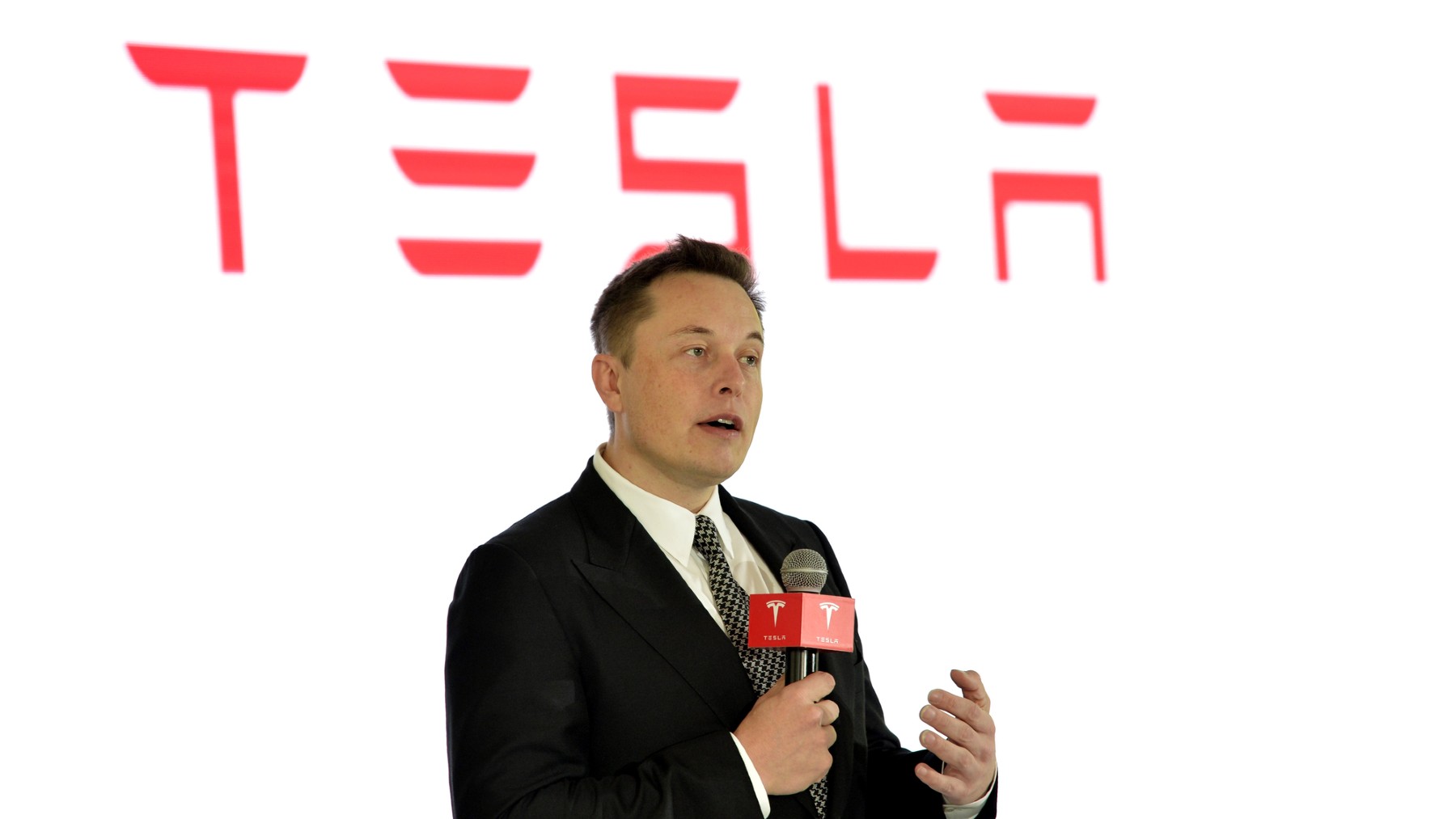
Much to our disbelief, the innovative CEO of Tesla – the innovative car manufacturer, has revealed big changes yet to come. After dominating the market of electric cars, Tesla unveils its new strategy to turn its vehicles into rolling hydrogen fuel stations. It is quite a surprise, much to the amazement of many, particularly since Musk had not too long ago bashed hydrogen as an energy storage.
Tesla, which plans an official reveal in 2026, is really shifting gears in its strategy and can revolutionize future green mobility. Market regulators and consumers cannot cease to ponder these questions: why has this change occurred, and what will happen to the electric vehicle market now? As Tesla tries to enter new segments, the motoring world waits with breath on its neck to see how this risky stratagem would pan out.
Hydrogen power: Tesla’s second wind – A bold shift in strategy
Tesla’s decision to get involved in hydrogen fuel cell technology involves quite a shift from the traditional electric cars powered by batteries. This change of tune is rather significant, especially if one recalls Elon Musk’s previous comments regarding hydrogen as the “stupidest thing” for energy storage. The company’s plans to switch to hydrogen power by 2026 seem to be a well-thought-out strategic move that will help Tesla defend its ground as more and more competitors penetrate the market. This way, Tesla wants to target a wider range of consumers who are concerned with the environment, as well as open new growth avenues.
The model H: Tesla’s first of its kind car with hydrogen as fuel – A new era begins
The Centre of the strategy is the Model H — Tesla’s first-ever hydrogen car that is planned for release in 2026. This revolutionary design will incorporate manufacturing fuel cells to supply electricity, which may solve the problems of hydrogen storage and the infrastructure. The Model H was under development further proving Tesla as an innovation-forward company ready and willing to offer other forms of sustainable transport solutions.
However, there is still limited information about the vehicle; hence, its introduction may signify a new chapter in the use of clean-energy cars. The Model H has been predicted to incorporate Tesla’s design and the advanced hydrogen fuel cell and can afford consumers a mixture of elegance, speed, and environment friendliness. It could indeed redefine the strategic dynamics of the automotive business and disrupt both the incumbent auto giants and emerging electric vehicle makers.
Opportunities and problems of hydrogen technology – the challenges ahead
Nevertheless, entering the hydrogen power line is also not without difficulties for Tesla. Hydrogen is expensive to produce and store, and at the moment, refueling stations for hydrogen are scarce, especially in the United States. But the prospects for hydrogen fuel cell technology are great. These are a lower rate of emissions of greenhouse gases, better quality of air, and likely longer ranges than pure battery electric cars.
Tesla’s foray into the hydrogen market may also help to prompt additional investment in the utility–related hydrogen infrastructure, in addition to possibly increasing the phase-in rate of this sort of technology across the automotive market. Also, the culture of innovation may play in Tesla’s favor, along with the company’s established clientele may help to eliminate consumer disbelief regarding hydrogen vehicles.
The move by the company could also spur competition, which may lead to improvements in the hydrogen technology, as well as probably leading to reductions in the cost of hydrogen-powered automobiles which may make them more affordable to common consumers in the future.
The future of clean energy: Will hydrogen be the new standard?
Therefore, Elon Musk’s decision to shift Tesla to hydrogen power is a clear change in the tracks of the company as well as the overall narrative of sustainable transportation. While some have seen this decision as a surprise or even a bold attempt to diversify the electric car market, it shows that Tesla is willing to consider and evaluate all opportunities in the field of clean energy.
The Model H and the establishment of hydrogen fuel will require resolving technical issues, creating of required infrastructure, and the acceptance of people who are unwilling to accept such new technology. The future will tell whether hydrogen power will become a standard solution for cars as an alternative to both traditional petrol and ‘regular’ battery-electric vehicles that Tesla is heading for in this venture. In either case, Tesla’s shift to hydrogen demonstrates that the sustainable transportation market is constantly changing, and there is a continuous exploration for better and smarter approaches towards cleaner energy.