America’s lakes are a tourist attraction for foreigners and a source of pride for us. But what are we going to do if they dry up completely? It sounds like a disaster movie, but the truth is that one of the biggest is doing it. There was only one solution left, but it was canceled at the last minute.
Climate change is drying up our lakes: the situation couldn’t be worse
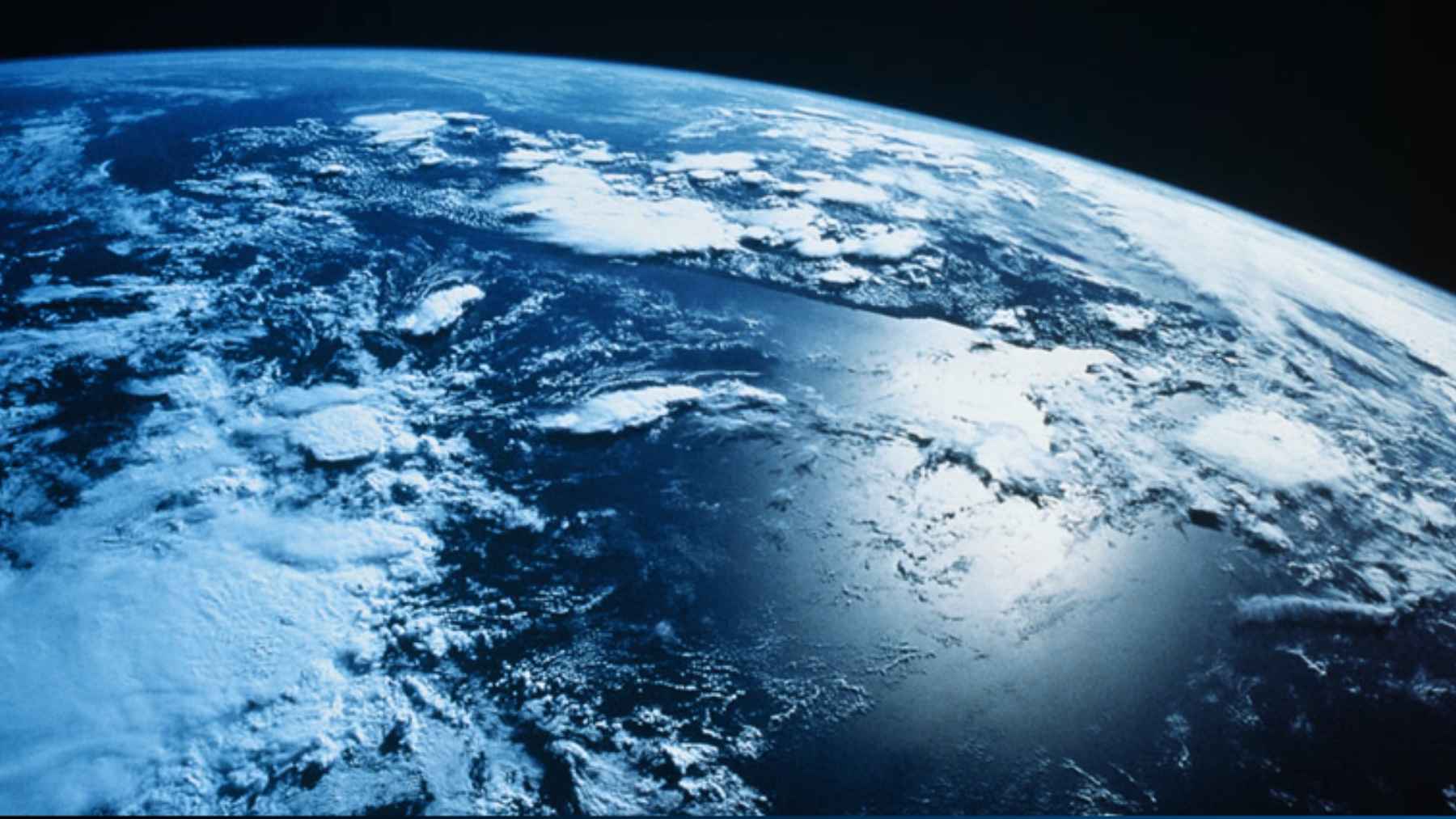
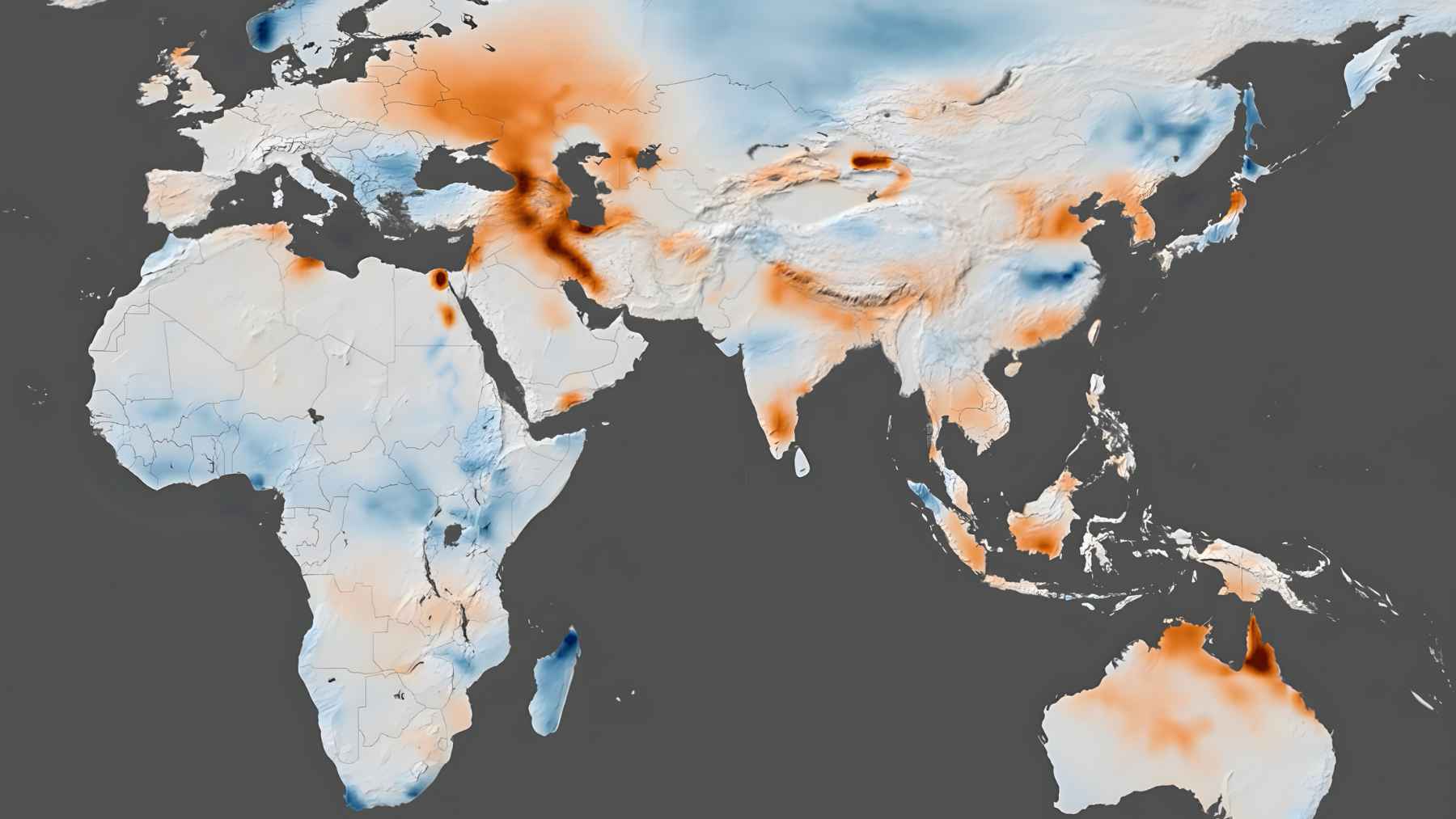
Our planet is getting hotter. According to NASA and NOAA, the average global temperature has increased by more than 1°C since the late 19th century, with the majority of warming occurring in the last few decades.
This rise in temperature is causing more droughts and less precipitation in many parts of the world. When an area gets less rainfall over an extended period of time, lakes and reservoirs lose water from evaporation and reduced inflow from streams and rivers.
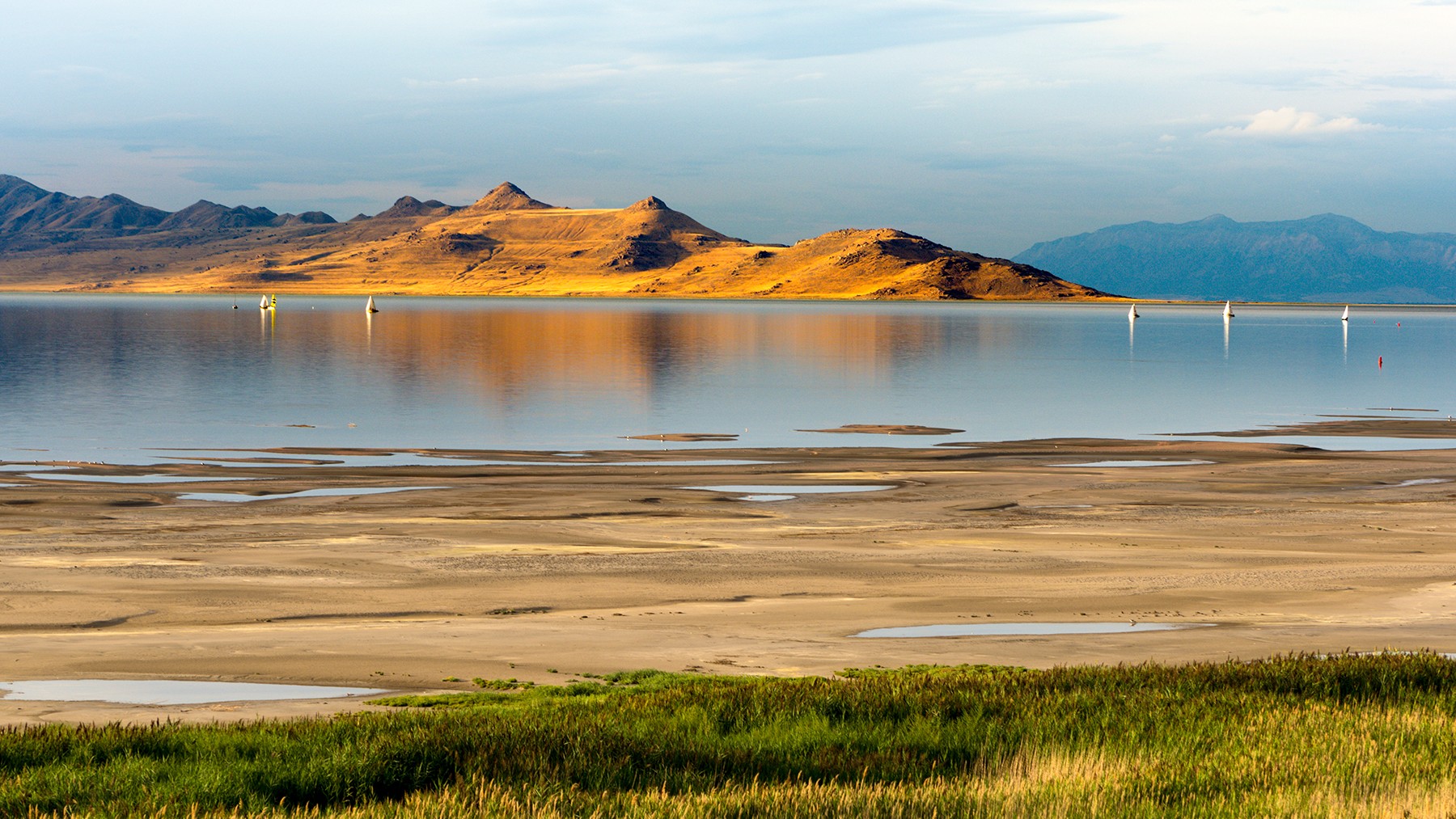
Many major lakes rely on snowpack meltwater and have seen dramatic declines as winters become warmer and snowpack decreases. For example, the Great Salt Lake in Utah relies heavily on spring snowmelt from mountains for inflow.
With warmer temperatures and less snowfall, less water is making it into the lake each year. This is causing the lake levels to steadily decline, year after year. Other iconic lakes such as Lake Mead and Lake Powell along the Colorado River are also shrinking due to the Western U.S. megadrought, which research shows is the worst drought in 1,200 years.
The Great Lake is shrinking: all the alarms are on
The Great Salt Lake in Utah has hit historically low levels leading to worries about serious ecological problems. In July 2022, the level of the lake reached 1227,3 metres for the first time after reaching its minimum back in 1963.
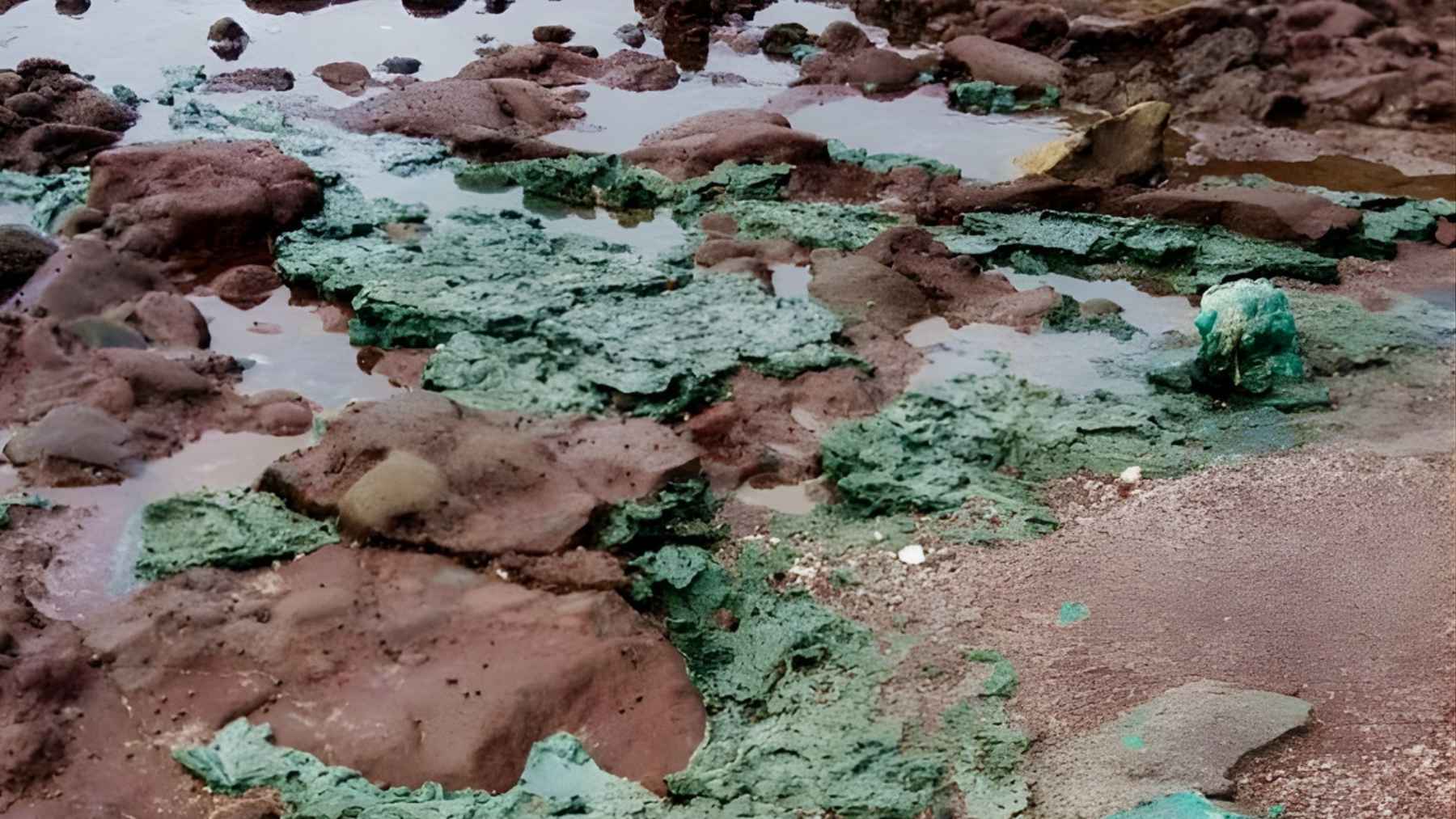
Currently the Great Salt Lake has lost close to two-thirds of its water since the arrival of the Europeans in the region. The significant shrinkage is however exposing increasingly more of lake bed to air.
With the retreating water level the dust from the spotted lake bottom forms a significant health threat. Airborne arsenic and other harmful metals concentrations may increase causing respiratory issues as well as poor health outcomes for people living close to the lake.
Along with the lake, the declining one is also bad news for millions of birds that live in that lake for breeding and food. Experts predict that there are about 10 million migratory birds in the lake which are pelicans, swans, geese, ducks and gulls.
The only measure proposed was desperate, but now it is not even feasible
A proposed pipeline to pump seawater from the Pacific Ocean to the Great Salt Lake is not a viable solution, according to a recent study. The pipeline would require an immense amount of energy to pump water over 600 miles uphill to the lake.
Research by Rob Sowby, an assistant professor at Brigham Young University, found that the pipeline would cost at least $300 million per year just for the electricity to run it. This is because it takes a huge amount of energy to pump water such a long distance and uphill.
In fact, the energy required would be around 11% of Utah’s total energy demand. That’s an incredibly high amount dedicated to a single project. The study shows that even under the best-case scenario, the pipeline is not cost effective or energy efficient.
Sowby stated that the proposal represents “back-of-the-napkin engineering math for the theoretical minimum energy for a pipeline.” In reality, it would be much more complicated to build. The study essentially shows that the pipeline idea is not feasible when the costs and energy are analysed.
As you have seen, the lakes of America are drying up without remedy, and the lack of snow or rain only worsens the situation. Who would have thought that we could fill them with that of the oceans? Of course, a crazy idea that has proven to be ineffective and, above all, counterproductive.