Once regarded as a shortcut for the global shipping network, the Northwest Passage (NWP) is now facing ever-growing hurdles in limiting its possible use as an alternative route. While climate change rendered portions of the passage navigable, the shifting dynamics of sea ice made it even more difficult for potential use. Changes to shipping season lengths during the period 2007-2021 have made clear the increasing complexities of NWP use for shipping.
Surveys unveil shortened shipping seasons in Northwest Passage
A recent survey has uncovered developments indicating that rather than becoming navigable, parts of the Northwest Passage have shorter shipping seasons. The most blatant effect is in the northern route, where weeks of navigation have been suddenly reduced from each other, especially in the eastern Beaufort Sea, which witnessed a reduction of 14 weeks between the years 2007 and 2021.
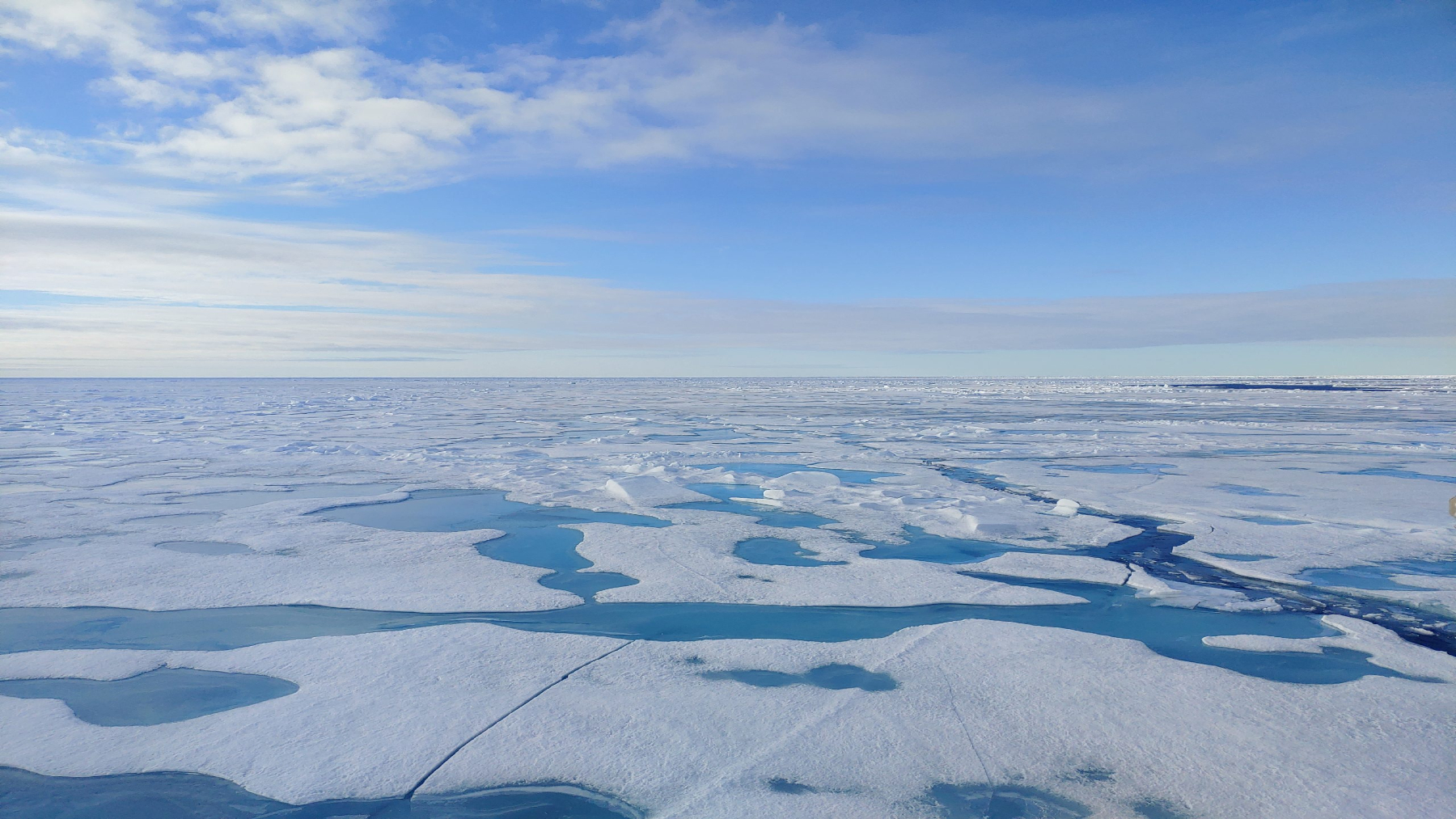
Areas, like M’Clure Strait and Viscount Melville Sound, had reductions of up to five weeks. These changes are predominantly because of a new and shocking effect of climate change: southward movement of thick, multi-year ice (MYI) from the Arctic Ocean into the Canadian Arctic Archipelago (CAA).
Thus, former areas hitherto considered more accessible for navigation have been left as “choke points” because the presence of this much thicker ice now severely restricts shipping activity. This trend has primarily been caused by the change from perennial MYI to more seasonal first-year ice.
Although in some areas the decrease in sea ice might result in longer shipping seasons, the new ice dynamics have also been created, where old, thicker ice now presents hazards to vessels. Unpredictability is the bane of these shipping companies which hoped to use the NWP in place of that of the traditional routes, especially during summer when Arctic Sea ice melts and becomes more navigable.
Variations in ice dynamics: The risks these present for food security in Arctic communities
Transforming ice dynamics touches far more areas than shipping alone because it affects coastal Canadian Arctic communities that rely on using boats to transport food and other necessities. It is likely that any disruption in these services will make food security worse while increasing the costs of living. A shortened shipping season may also delay critical resources impacting normal life and emergent situations.
There will be a need for adaptation among businesses in Arctic logistics, extraction of resources, and the tourism sector to cater for the unpredictable ice conditions; it will involve risk assessment and strategies to mitigate any outcome that might occur. The last aspect for safe, sustainable, and bright futures in regional economies would be companies coming together with regulatory bodies with local communities (just like this one found 8000m under sea).
Traveling through the Northwest Passage: Fewer but longer seasons as compared to ice obstacles
Another general condition for the future of shipping through the NWP is variation in ice conditions along different segments of the route. One portion of the northwestern passage may have reduced sea ice and lengthened navigable seas, while the other is heavily mountainous and under persistent MYI.
This variability restricts predictions of overall reliability of the NWP as a shipping route. For instance, the southern route across the NWP has seen areas like the west Beaufort Sea and Amundsen Gulf enjoying slightly longer shipping seasons of around 35 weeks of navigable water contrasted by choke points like M’Clure Strait and Viscount Melville Sound, which still experience severe reductions in their number of navigable weeks, further stressing the duration and safety of their shipping activities.
MYI further presents specific challenges to vessels on some lengths of the NWP. Medium ice-strengthened vessels, for example, such as the class PC7, which find common application in Arctic shipping operations, might experience difficulties in navigating these portions.
The thick, multi-year ice is much stiffer to slice through and may be bargained as a high-risk area for damage to vessels, especially those not equipped with sufficient ice-strengthening capabilities. Hence, it constitutes a major obstacle to advancing Arctic shipping operations, for smaller vessels or those with no specialized ice-breaking capabilities.
Even as sections of the Northwest Passage become more navigable, due to melting sea ice, the Arctic appears more unpredictable, with others blocked by heavier ice. It has proven to be less reliable than predicted for global shipping, requiring constant adaptation. Future Arctic shipping depends upon the continuous monitoring of ice dynamics, improved navigation technology, and enhanced cooperation.
Infrastructure investment and better risk management must accompany the viability of the Northwest Passage. Climate change complicated its potential further, with some areas improving while other points worsened; thus emerging, dynamic, and challenging environments await industries, communities, and governments (such as this one found underwater off the coast of Chile and Peru).