This one city has announced their plans regarding a new automation policy across these locations to assist law enforcement with catching speeding drivers. Across the nation, lawmakers are coming down hard on drivers who are caught breaking speed limits and endangering the lives of others by speeding. Road traffic and safety policies are constantly subject to change and update, with efforts to reduce speeding incidents possibly legislative matters which are constantly under review the most.
Keeping the roads safe by reducing speeding
It has been well documented the correlations between the increased risk of serious injury and fatality the higher you drive above the speed limit. Speeding reduces your ability to react to other drivers on the road as well as increasing the risk of you losing control of your vehicle. This is particularly potent if you are driving in bad weather conditions or conditions where visibility is low.
New legislative policies and practices to stamp out speeding have ranged from increasing the penalties for speeding, such as higher fines and even the risk of jail time, to changing speed limits altogether. These speed limit changes range from reducing the speed limit, specifically in urban areas where there are more pedestrians, to increasing speed limits to create more cohesion on the road.
This city begins their speed camera rollout
In order to clamp down on speeding, one technological innovation local municipal authorities are beginning to draw upon is the use of automated speed camera technology. These cameras are able to monitor the roads when law enforcement is not present, encouraging drivers to adhere to speed limits in order to not be issued a ticket if caught by the cameras speeding.
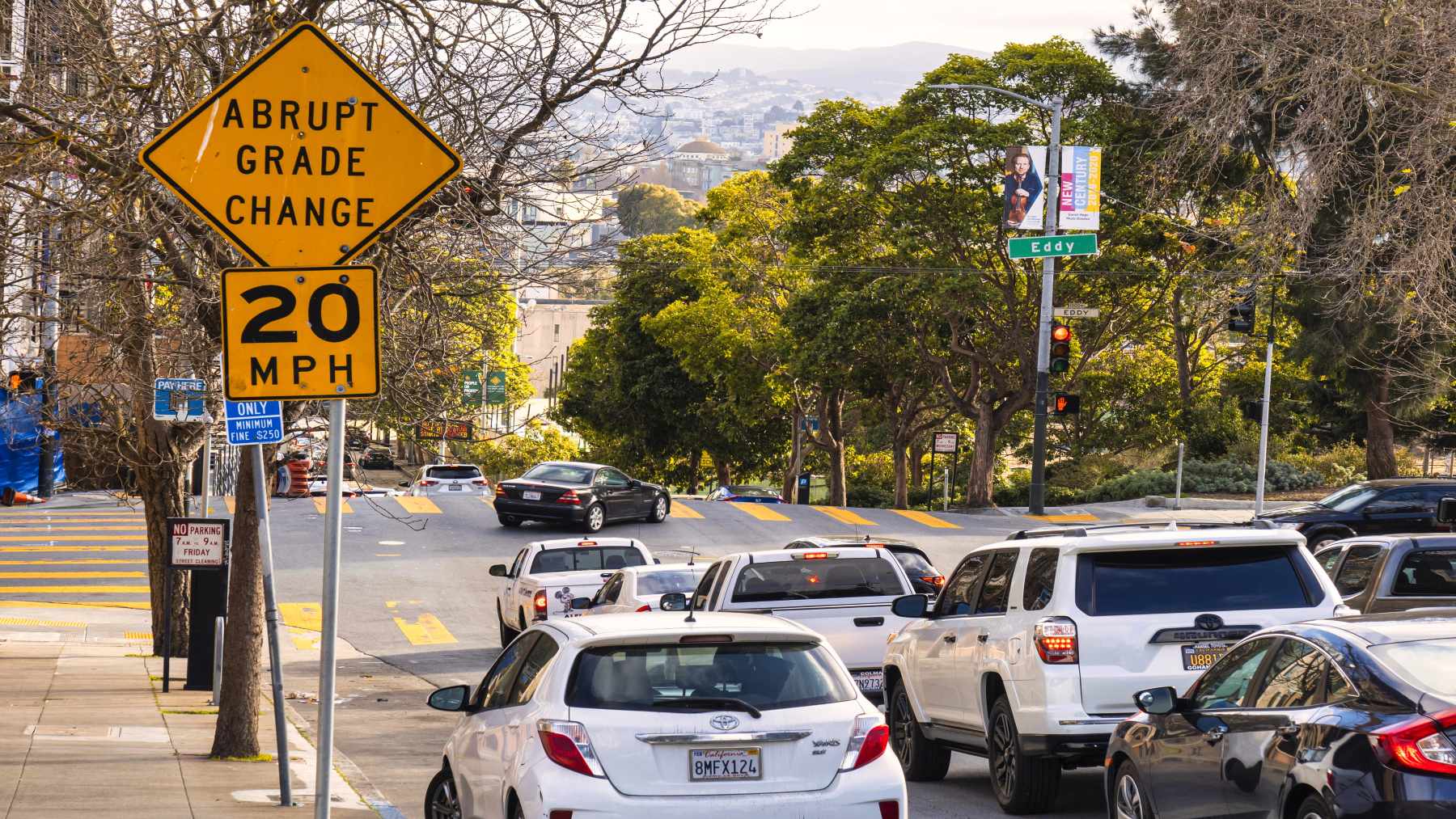
This month, San Francisco in California recently began to issue speeding tickets to drivers who are caught speeding by the city’s new speed camera automation program across 33 locations in the city. The program was implemented in March earlier this year, and up until now, law enforcement has only issued warnings to drivers who are found to be speeding.
AB 645 in the San Francisco Municipal Transportation Agency outlines the 33 locations where the speed cameras are located. If caught speeding, fines range between $50 to $500 depending on the severity of your speeding violation. The April data collected by the cameras after one month of being operational highlighted how the overwhelming majority of drivers were not driving significantly over the speed limit, with only 4% of speeding drivers caught driving more than 21mph over the speed limit.
The rise in automated technology on the road
Speeding cameras across the nation are starting to have an increased presence, to which law enforcement is seeing much success. Within the first month of implementing this technology, Middleton in Connecticut issued $600,000 worth of speeding fines to drivers caught by the automated technology. Locations Greenwich, Hamden, New Haven, Stamford, Stratford, and Wethersfield in the state are also set to begin rolling out this technology soon.
The state of Minneapolis has particularly embraced this technology as part of their ‘Vision Zero’ program which intends to end all road accident fatalities and serious injury.
“With these traffic safety cameras, we’re making clear that speeding and reckless driving won’t be tolerated—especially near our schools and areas with lots of foot traffic,” said Minneapolis Mayor Jacob Frey in a statement.
However, efforts from states like Minneapolis and Connecticut should look towards New York City when it comes to scaling up their automation programs. The city boasts the largest speeding camera automation program in the country. Launched in 2014, by the end of 2023, the city has over 2,200 cameras across various locations. The program has achieved positive results, with speeding reduced by up to 94% in camera zones with the program set to be extended into 2030.