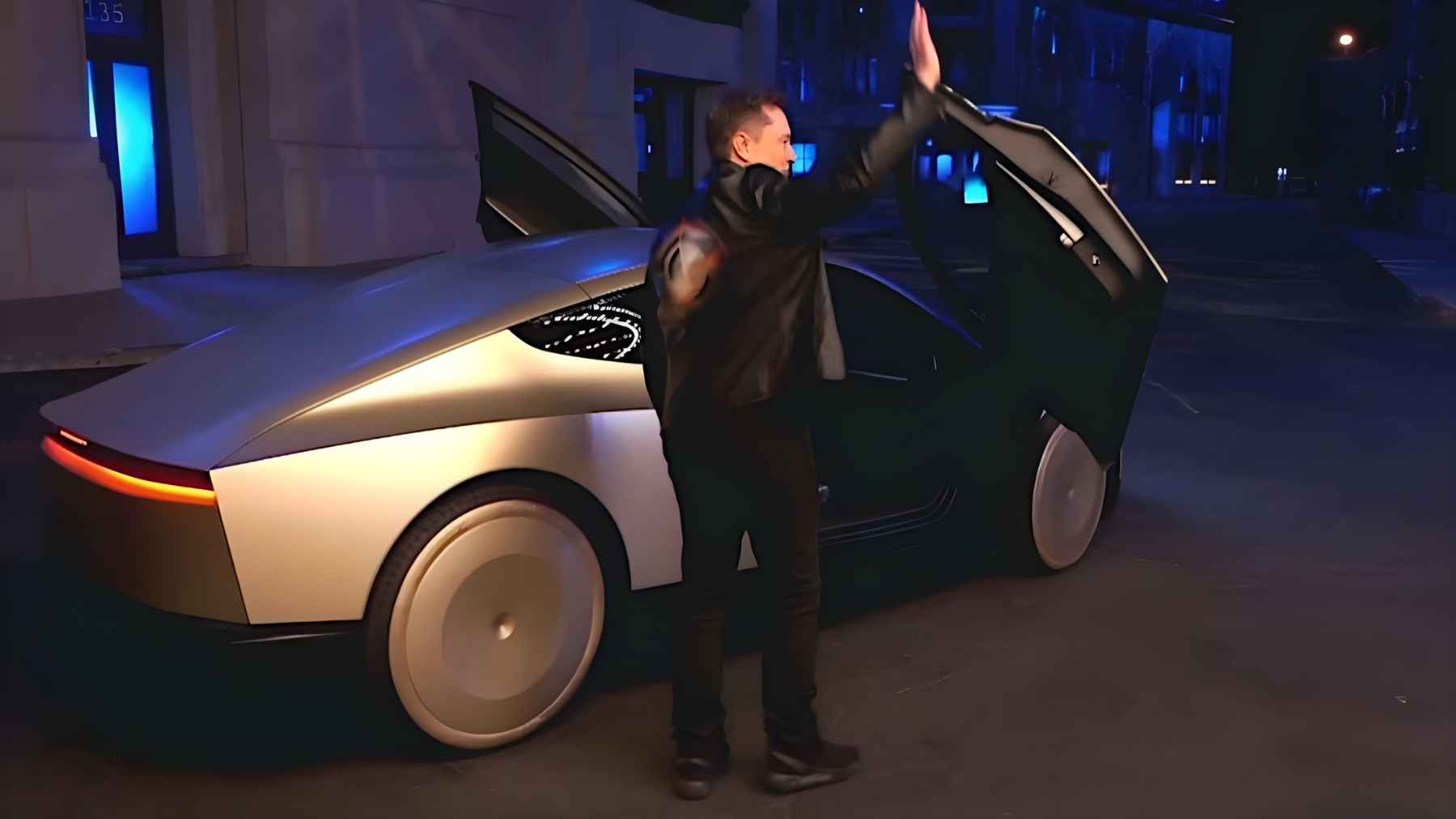
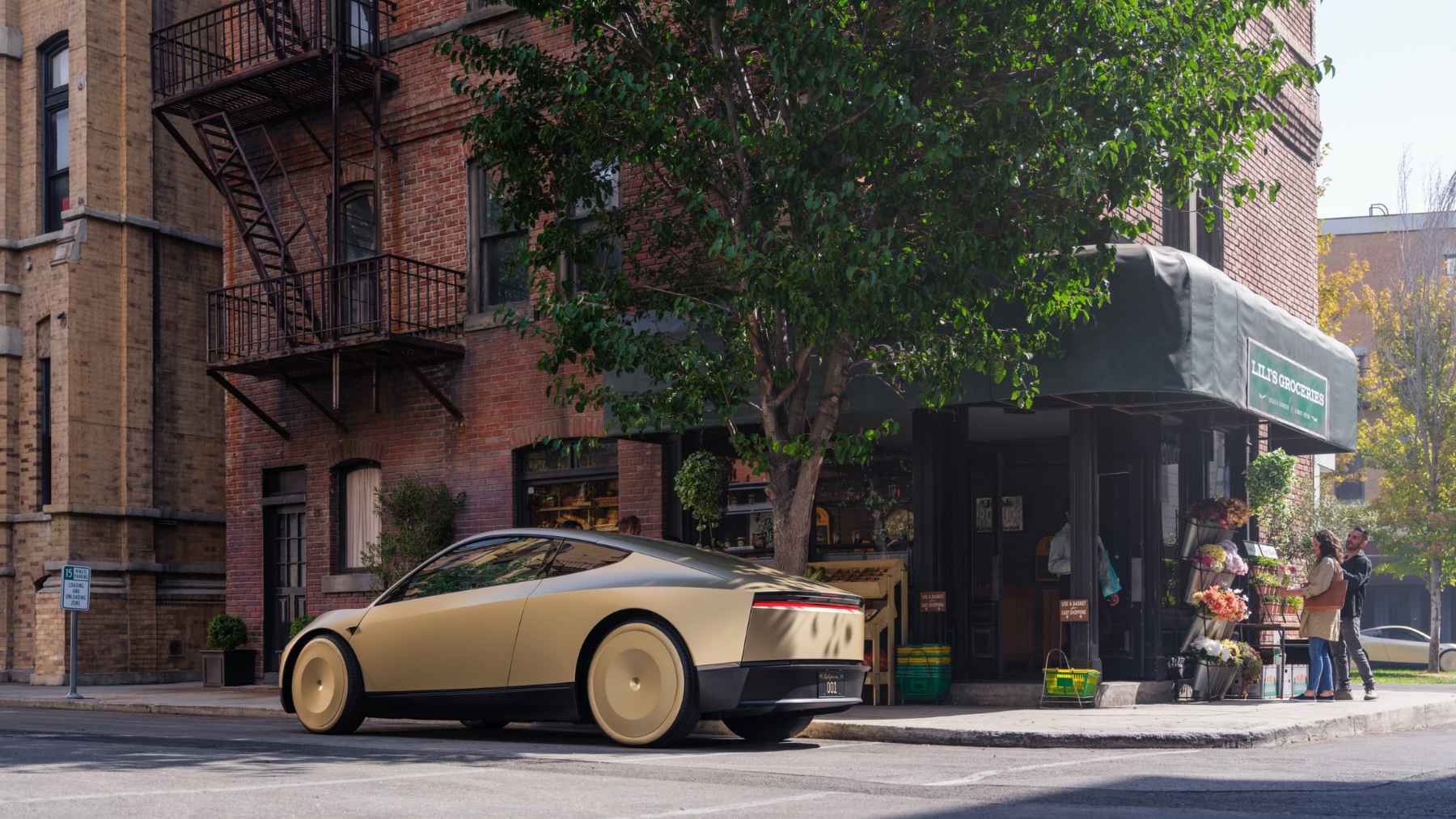
Musk did not simply promise new gadgets. He painted a vision of ultra-cheap robotaxis that could undercut buses and ride hailing. At high volumes, he has argued, Cybercab trips could cost around twenty cents per mile, with the vehicle itself selling for under thirty thousand dollars and using wireless charging pads instead of plugs.
For urban planners wrestling with smog and traffic, that sounded like a tool that might replace parked private cars with constantly circulating shared electric rides.
Reality looks more modest. The dedicated Cybercab has yet to appear in significant numbers on public roads. Tesla’s current robotaxi service in Austin still relies mostly on modified Model Y vehicles within limited zones, and only recently began some testing without anyone inside.
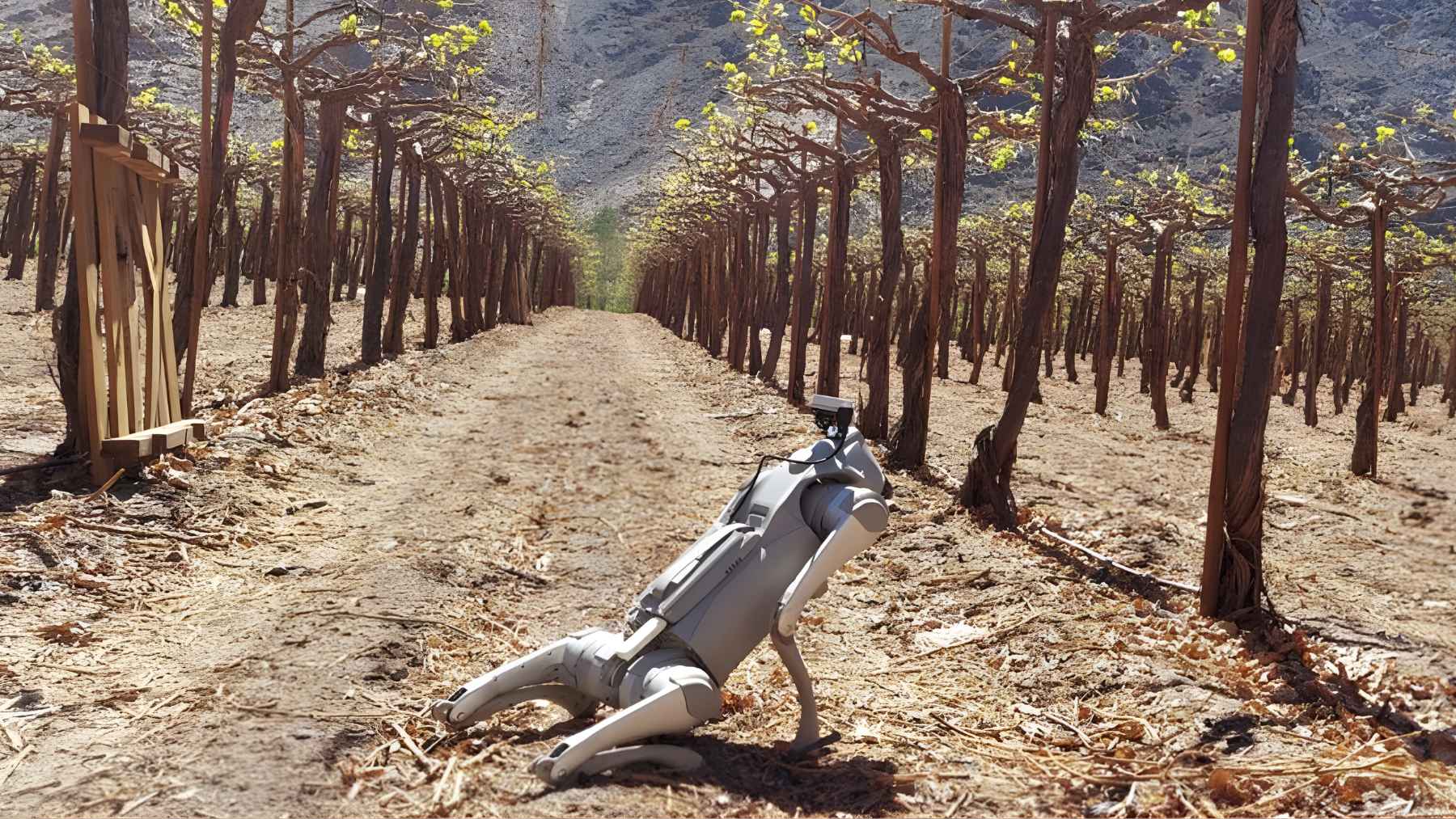
On the robotics side, supply chain sources say around one thousand Optimus units were assembled before engineers hit problems such as overheating joints, weak transmissions, and short battery life, prompting a redesign and a pause in parts orders.
Even so, Tesla is doubling down financially. The company plans to spend more than twenty billion dollars in capital expenditures this year over twice the previous year, in part to build factories for Cybercabs, humanoid robots, Semi trucks, and sports cars.
It is a huge bet that tomorrow’s autonomous hardware will one day pay back more than today’s mainstream electric sedans and crossovers.
Robotaxis and the climate puzzle
On paper, autonomous electric taxis could help the planet. Studies suggest that shared autonomous EVs, especially when operated at high occupancy, can cut transport emissions significantly compared with today’s private car model, in some cases by thirty percent or more by mid-century.
High vehicle use spreads the environmental cost of manufacturing over many more miles and can reduce the need to build as many cars in the first place.
But there is a catch. If robotaxis are cheap and convenient enough, people may ride more often, travel farther, and send empty vehicles to pick up kids, errands, or late night snacks. Several analyses warn that total vehicle miles traveled could rise, which would push emissions upward unless vehicles are both electric and powered by very clean grids.
In other words, autonomous fleets are not automatically a climate win. They become one only when paired with renewable electricity, smart pricing, and strong public transit that keeps people from defaulting to door-to-door car trips for everything. That is a lot of policy work for a technology that is still finding its feet.
Competitors move faster while EVs stall
While Tesla talks about future Cybercabs, rivals in autonomy are quietly clocking real world miles. Alphabet owned Waymo already operates more than 2,500 commercial robotaxis across major United States cities and was recently estimated at roughly 450,000 paid rides per week.
Tesla, by contrast, has only just begun the long regulatory path for fully autonomous services in states like California, where the California Department of Motor Vehicles recently ruled that its marketing of “Autopilot” and “Full Self Driving Capability” was misleading.
For now, most Tesla drivers still use advanced driver assistance on regular commutes, watching the road and thinking about the monthly electric bill rather than hailing a sci-fi taxi.
What this means for the clean transport race
For climate advocates, the lesson is not that robotaxis and humanoid robots are doomed. It is that betting the decarbonization of transport on one company’s timelines is risky. Global EV sales keep climbing and other manufacturers are racing to produce smaller, more affordable electric models that can replace gasoline cars today.
California testing data analyzed by IDTechEx shows Waymo averaging about 17,311 miles between driver interventions, a sign of growing maturity even if that number is still far from human crash statistics.
Ironically, one of Tesla’s most climate relevant businesses is also one of its least hyped. Its energy storage division, which supplies large battery packs that help grids absorb solar and wind power, grew revenue by more than twenty five percent last year and hit a quarterly record. Those batteries are already helping to cut emissions in places where they are installed.
For city leaders and everyday commuters, the practical takeaway is simple. Do not wait for golden robotaxis to unclog rush hour or clean the air outside schools. Proven tools are available now.
That means better buses and trains, safe bike lanes, compact electric cars, and cleaner electricity. If robotaxis and factory robots eventually arrive at scale and truly deliver cheaper, cleaner mobility, they can be a bonus rather than the whole plan.
The official statement was published on Reuters.