This discovery by NASA recently of the ambipolar electric field in the orbit of the Earth is one of the greatest discoveries of planetary sciences. This previously unidentified field postulated more than sixty years ago, influences the behavior of Earth’s atmosphere and could revolutionize our understanding of the way planets interact.
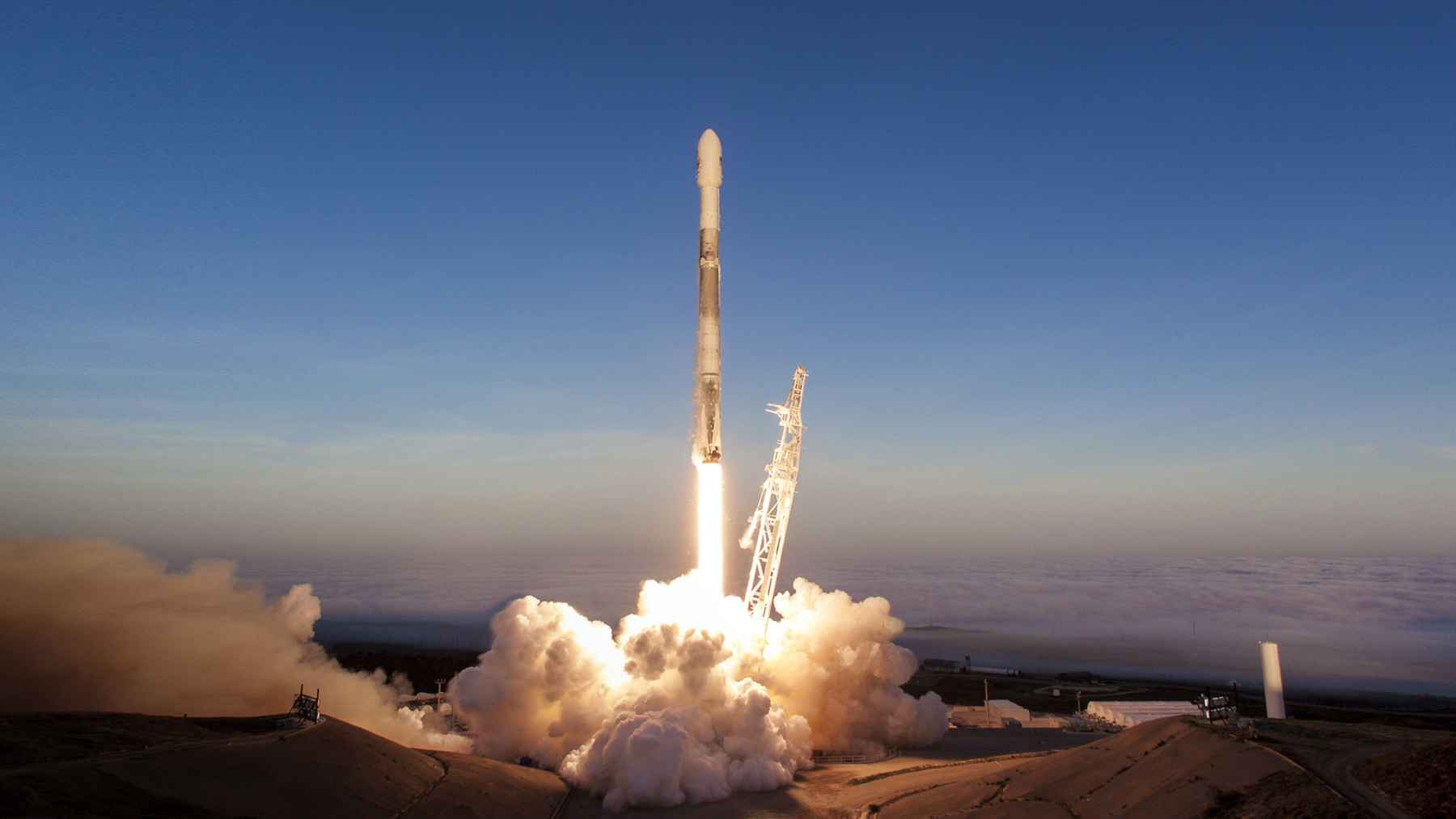
Exploration of Mars was done by NASA’s Endurance mission which was launched in May 2022 and then finally got back information that helped verify the presence of such an electric field. This has significant implications for the behavior of space and atmospheres, for the loss of material from the Earth, and maybe for the evolution of other planets, such as Mars, Venus, and beyond.
How Earth’s ambipolar field functions to balance particles and defy gravity
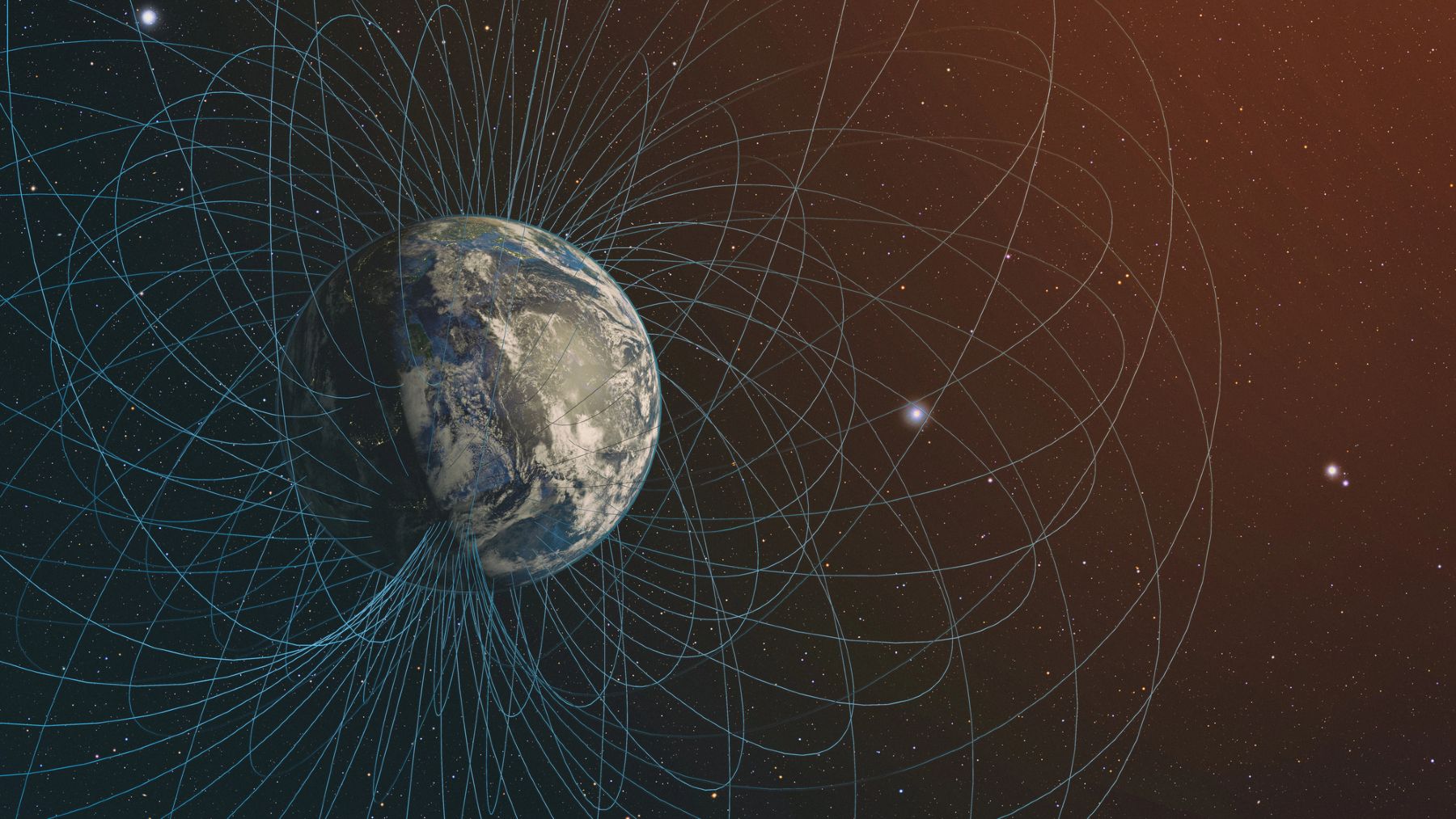
The ambipolar field is a weak electromagnetic force that functions in the ionosphere, which is a portion of the Earth’s atmosphere located about 250 km above the Earth’s surface. It is present because when light from the sun interacts with the atoms in the atmosphere, it causes the atoms to shed several electrons, leaving them positively charged while the electrons are left negatively charged.
The ambipolar field works by counteracting gravity: whereas the force of gravity brings the particles closer to the planet, the electric force acts oppositely, assisting in uplifting some of the particles into outer space. This balance leads to the continuous ejection of particles from the Earth’s atmosphere into space through the polar wind process. It only has a faint negative electric potential of 0.55 volts might look like a trivial difference, but it is enough to knock the hydrogen ions out of the sun at supersonic velocities.
The unexpected impact of the ambipolar field on the Earth’s ionosphere and cosmic interactions
However, this suggests that although the ambipolar field aids in increasing the altitude and density of the ions in Earth’s atmosphere, a major effect should be expected on Earth’s ionosphere. For instance, the field enables ions such as oxygen to travel to greater heights defying the force of gravity. These are NASA’s measurements of the densities showing that indeed the ionosphere density at higher altitudes is 271% when the ambipolar field is not suppressant.
Such a large deviation from the normal functioning of the ionosphere is not only known to affect these atmospheric losses but also how the earth’s atmosphere responds to gusts from the sun, and cosmic radiation among other forces. These interactions enhance the complexity of atmospheric loss and prevent the Earth from being affected by space weather.
Could the ambipolar field help explain the atmospheres of Mars and Venus? NASA thinks so
Besides the study of the Earth’s atmospheric condition, finding out the ambipolar field is also useful in analyzing other planets’ conditions. NASA has advanced several arguments to support the notion that any planet that has an atmosphere should have an ambipolar field. This means that other planets like Venus and Mars which also have an atmosphere, may also have an electric field that influences their atmospheric processes and the release of gases into space.
Knowledge of this type of planet could give much detail on how these planets can gather or lose a layer over time, and whether or not they can support life. As such, the ambipolar field could help researchers understand the early history of the atmosphere of our planet, some events that were supposed to have occurred 3 to 4 billion years in the geographical time history, the ability of planetary systems to support life and the possibility of having atmospheres in other planetary systems in other stars.
Thus, NASA’s discovery of the ambipolar electric field is a valuable breakthrough in understanding the behavior of the Earth’s atmosphere and its connection with space. This means that scientists are now able to explain how these particles can penetrate out of this planet, how the ionosphere functions, and even how the field could potentially affect other planets with atmospheres.
However, these discoveries generate a new epoch in the study of the atmosphere nevertheless opening other possibilities in pursuing the worldly changes and other atmospheric planets of the solar system. The implications of these findings are truly significant and perhaps, with such an opportunity of studying the Earth’s past given by the data, it will prove to be a groundbreaking step in the history of geophysics and the physics of other planets’ atmospheres.