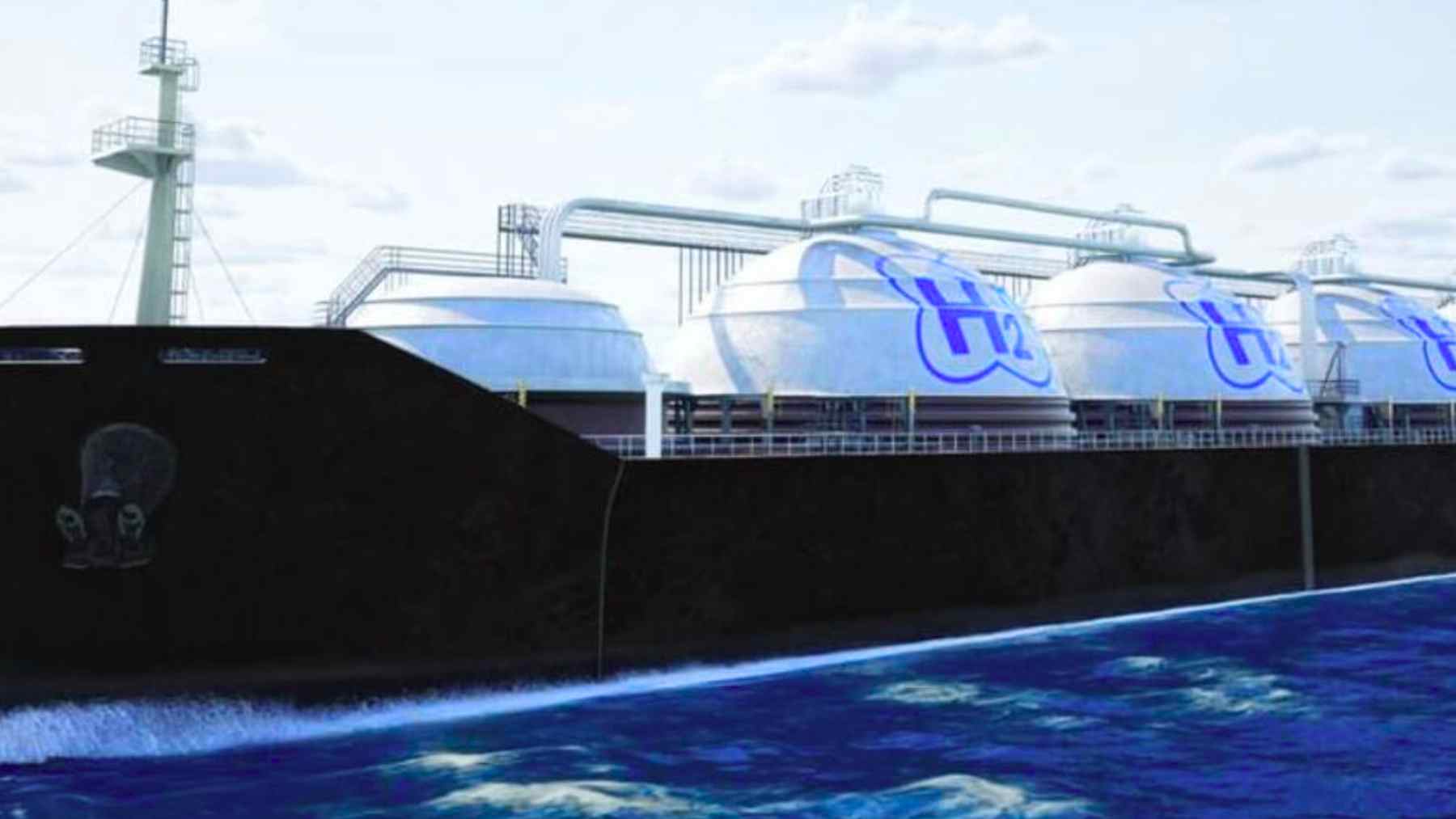
The search for renewable vehicle fuels revealed two major breakthroughs where nitrogen now appears as the most exciting option. This exceptionally potent element stands seven hundred times stronger than hydrogen, so it could introduce a transformation to automotive manufacturing. Scientific researchers and private companies are investigating nitrogen engine technology since this new system promises more efficient and cleaner power than standard fuels.
The element nitrogen shows extraordinary potential to transform multiple applications because it displays significant energy compared to hydrogen by 700 times
The renewable fuel sector has identified the abundant atmospheric element nitrogen as its new leading power source. The production and storage of nitrogen prove easier than hydrogen because it needs neither complex nor expensive processes. The transformation of nitrogen from liquid to gas phase enables enormous expansion in engines that drive piston motion for power generation.
A business based in London leads the research and development efforts for nitrogen engine advancements. Such power engines format and function like standard internal combustion devices yet produce zero damaging exhaust products. The end products from nitrogen combustion mainly consist of oxygen combined with nitrogen, making nitrogen a carbon-neutral option against conventional fossil fuels.
The potential elimination of hydrogen fuel exists because of nitrogen technology.
Hydrogen is a future fuel option despite facing various problems with its use. The production process for hydrogen requires expensive energy and involves methods like water molecule splitting and hydrogen supercooling for liquid storage maintenance. Current hydrogen refueling infrastructure remains poorly developed, resulting in lower convenience for broad market use.
Storage and handling of nitrogen prove simpler than hydrogen execution. People can keep nitrogen in special flasks under low-temperature storage without using as much energy as required to produce hydrogen. Renewable vehicle fuel adopts nitrogen instead of hydrogen since nitrogen provides better practicality and cost efficiency.
Nitrogen-powered engines: The actual impact on the environment
The major advantage of nitrogen as a fuel stems from its negligible environmental consequences. Nitrogen-based engine applications result in products composed solely of oxygen and nitrogen gas emissions. The transport sector finds nitrogen-powered engines highly appealing because they help decrease carbon emissions.
Environmental considerations exist while evaluating the use of nitrogen as a fuel. Intense nitrogen exposure produces environmental contamination, which leads to ecosystem disturbance. Scientists tackle nitrogen environmental impact issues by developing technologies that transform exhausted nitrogen emissions into safe air components. Despite these challenges, the overall environmental benefits of nitrogen far outweigh its potential drawbacks.
The technological potential of nitrogen vehicles appears vast, although manufacturers need to solve several remaining issues. Further advancement of nitrogen engine technology requires major investment to develop the technology on a mass-production scale. The widespread use of nitrogen vehicles requires developing an entire system to support their fueling needs.
Is this the future of cars? The next steps for nitrogen engines
Future prospects remain optimistic despite all obstacles. The University of Washington leads research into liquid nitrogen fuel systems while Dearman and other companies actively work toward turning nitrogen engines practical for use. Completing current research initiatives will open the possibility of nitrogen-powered automobile production during the subsequent decade.
The application of powerful nitrogen technology has established itself as one of the best alternative fuel systems for the current era. The potential of nitrogen in renewable vehicle fuels becomes stronger thanks to its high energy storage capability and environmentally friendly properties. Research and development efforts are expected to create a new transportation system where transportation will become powered by this remarkable element.
Research indicates that nitrogen will gain industrial applications extending past transportation. Researchers investigate nitrogen-based applications extending into power generation systems, industrial machinery, and aerospace equipment. The constant advancement will transform nitrogen-based systems into industry-redefining entities that minimize our reliance on fossil fuels. Companies’ advancement of this technology will substantially boost their ability to create a sustainable future.