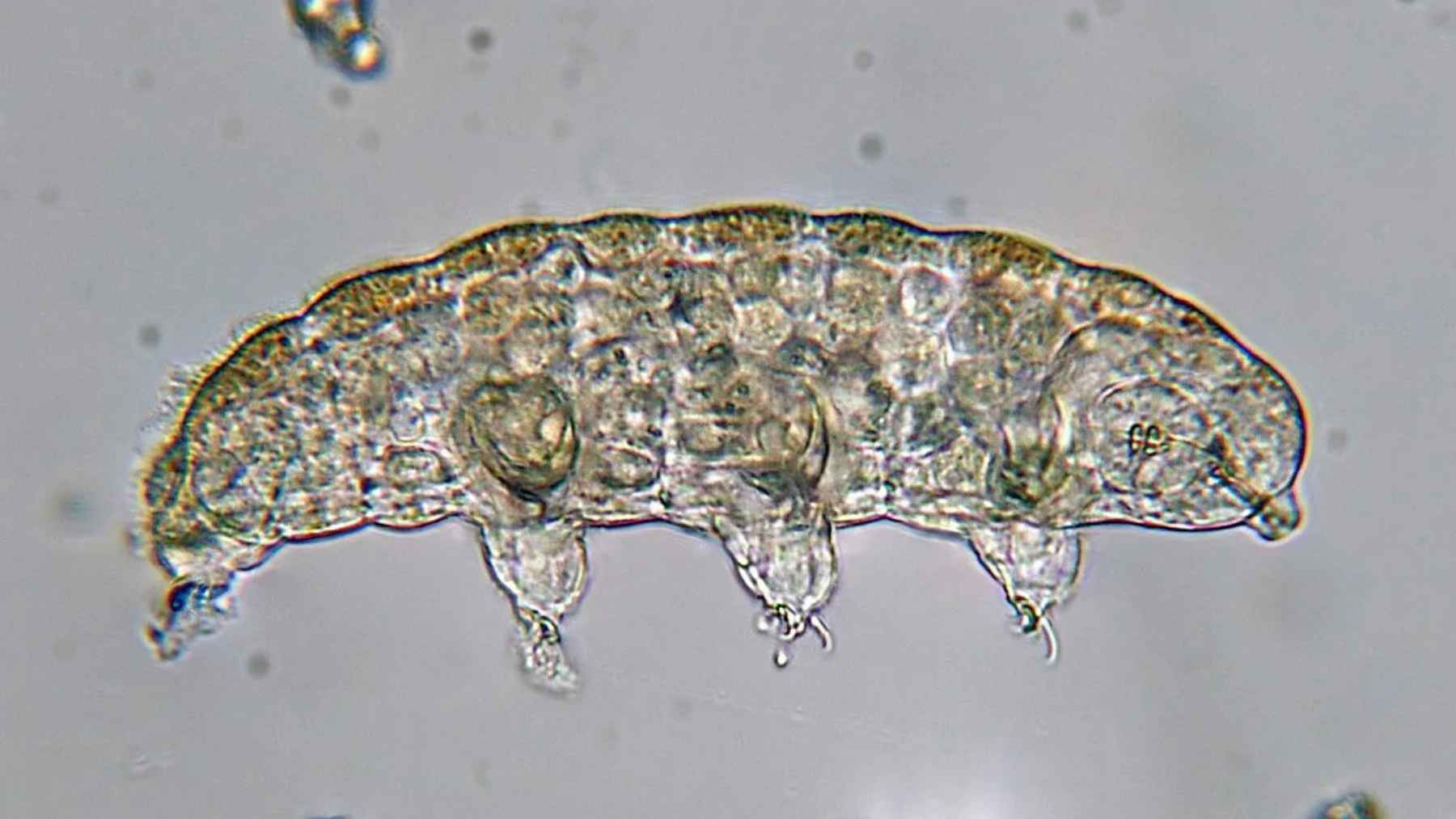
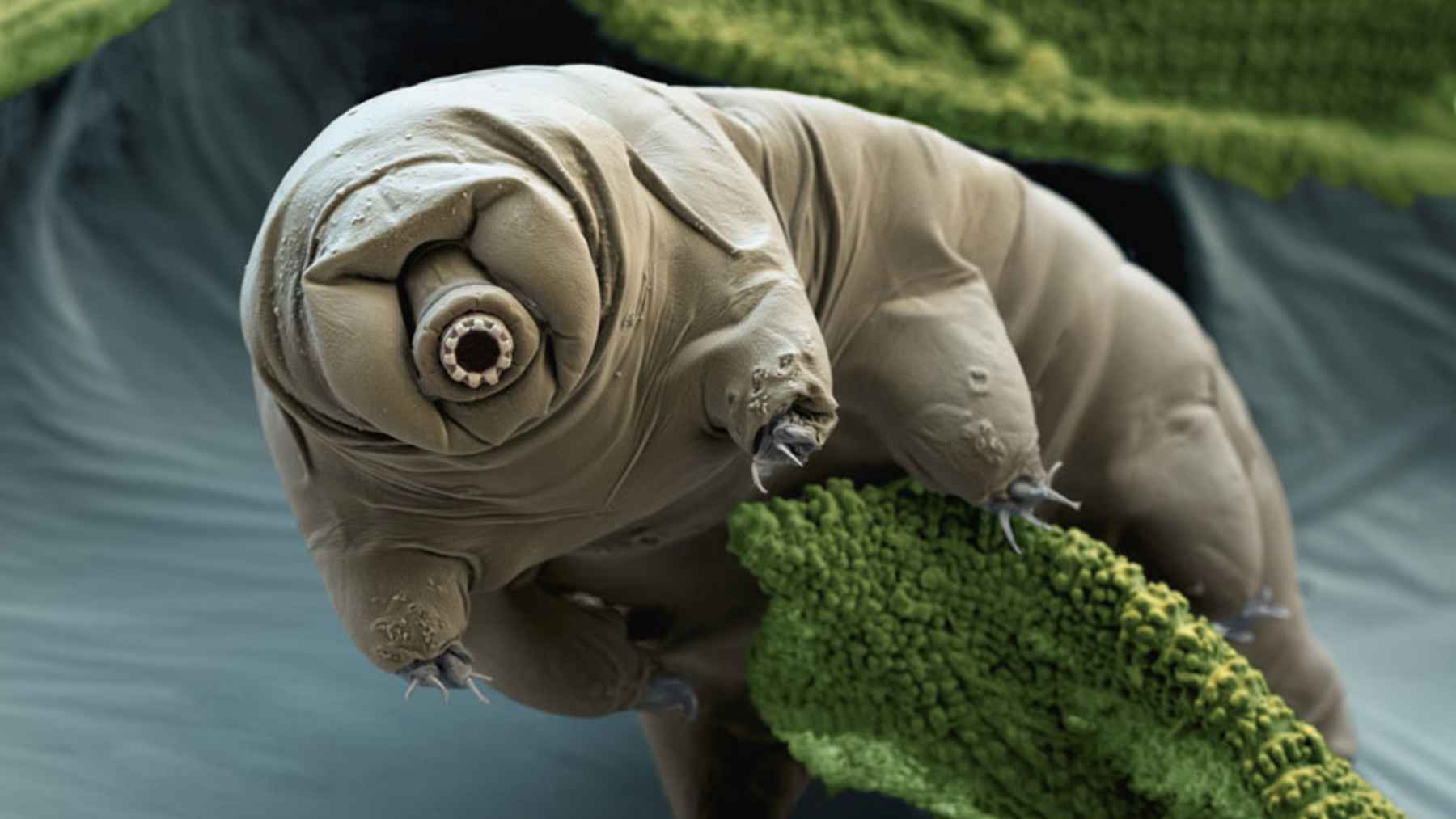
When people joke about the end of the world, they usually picture cockroaches walking over the ruins of our cities. Yet current research suggests a very different champion of survival. If complex life on Earth collapses after a global catastrophe, the last animals standing are likely to be tardigrades, tiny eight-legged creatures better known as water bears.
Mass extinctions show how hard life is to erase
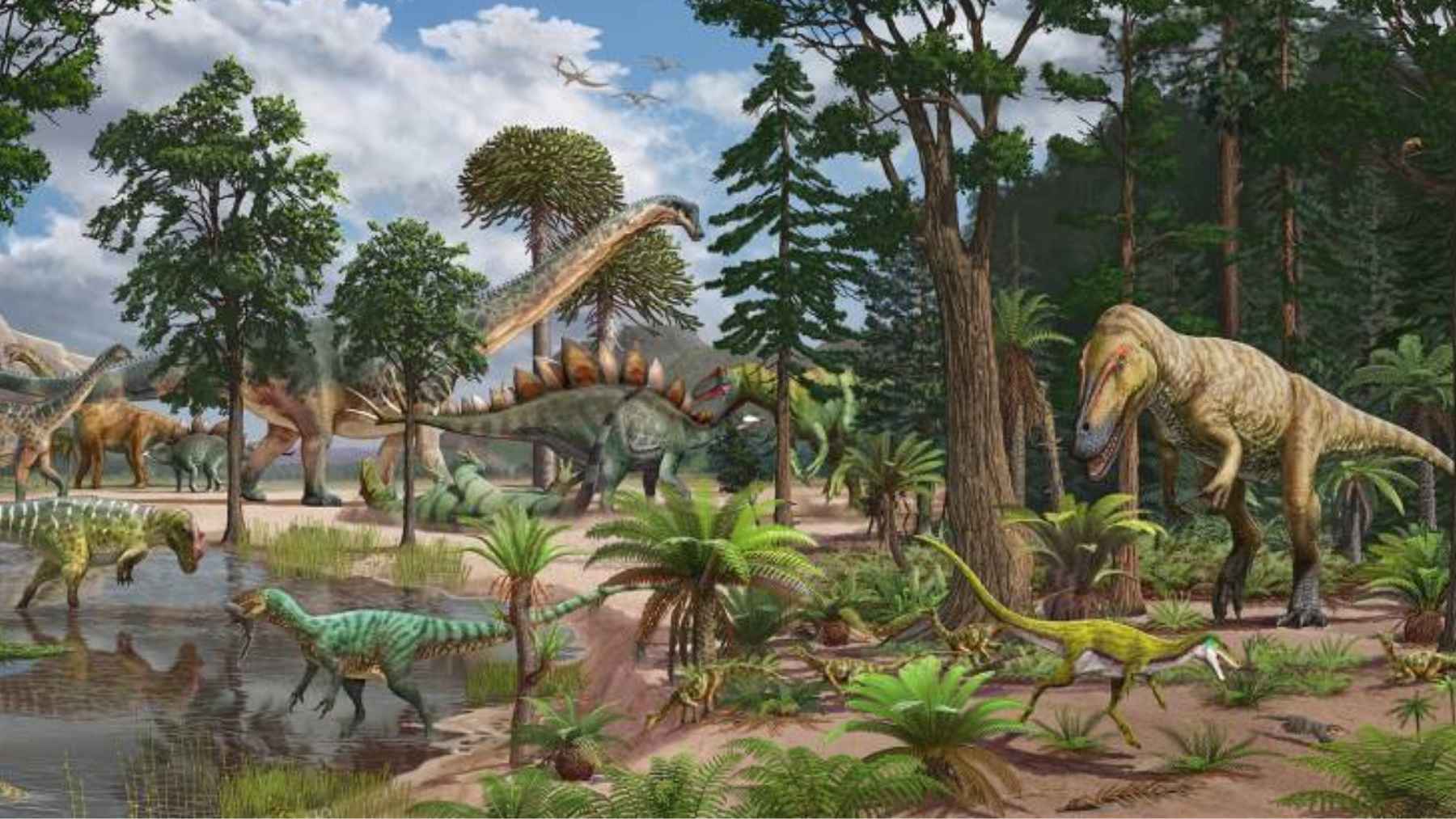
Life on Earth has already passed through at least five mass extinctions that wiped out most existing species. Around 252 million years ago, during the Permian extinction, scientists estimate that close to 90 percent of species vanished, both on land and in the oceans. Even so, ecosystems slowly rebuilt themselves, which shows that life as a whole can be remarkably hard to erase.
Nuclear winter and astronomical threats to complex life
Modern risks look very different from those ancient volcanic and tectonic disasters. Experts worry about nuclear conflict that could fill the atmosphere with soot, dim sunlight for years and crash food chains.
They also model astronomical threats such as large asteroid impacts, nearby supernovas and gamma ray bursts. In most of those scenarios, humans and many other animals disappear. The oceans, however, remain liquid, which turns out to be crucial for our tiny survivors.
The Oxford and Harvard study on Earth’s toughest animals
A 2017 study by researchers at the University of Oxford and Harvard University asked a very specific question. What would it take to wipe out even the hardiest animals on the planet?
Their answer pointed straight at marine tardigrades that live in water films and deep sea habitats. Unless an event is powerful enough to boil away the oceans, these animals are expected to hang on.
Cryptobiosis and extreme survival in heat, cold, pressure, and radiation
Why are they so tough? In the lab, some tardigrade species survive for minutes at temperatures close to absolute zero and up to around 150 degrees Celsius. Others endure decades at minus 20 degrees.
They tolerate pressures from near vacuum to about 1,200 times normal atmospheric pressure, as well as radiation doses thousands of times higher than those that would kill a human. Experiments have even shown tardigrades reviving after exposure to the vacuum of space.
Their secret is a trick called cryptobiosis, a kind of suspended animation. When conditions turn deadly, tardigrades shrivel into a dry, compact form, shut down most of their metabolism and wait.
That pause can last years. When water and more friendly temperatures return, they rehydrate and start crawling again. For a creature shorter than the thickness of a credit card, it is an astonishing strategy.
The aging Sun sets the final limit for survival on Earth
None of this means water bears are truly indestructible. Biologists who work with active, non-dormant animals note that they are fairly easy to kill in ordinary lab conditions. If future events strip Earth of its atmosphere, vaporize its oceans or as the Sun ages turn our planet into a scorched rock, even tardigrades will eventually disappear.
Still, their resilience offers a sobering perspective. While we worry, rightly, about climate change, nuclear risks or the next spike in the electric bill, simple animals that most people will never see under a microscope are equipped to outlast our species by billions of years.
To a large extent, the lesson is that life as a whole can be extremely persistent even when individual civilizations are fragile.
The study was published in Scientific Reports.