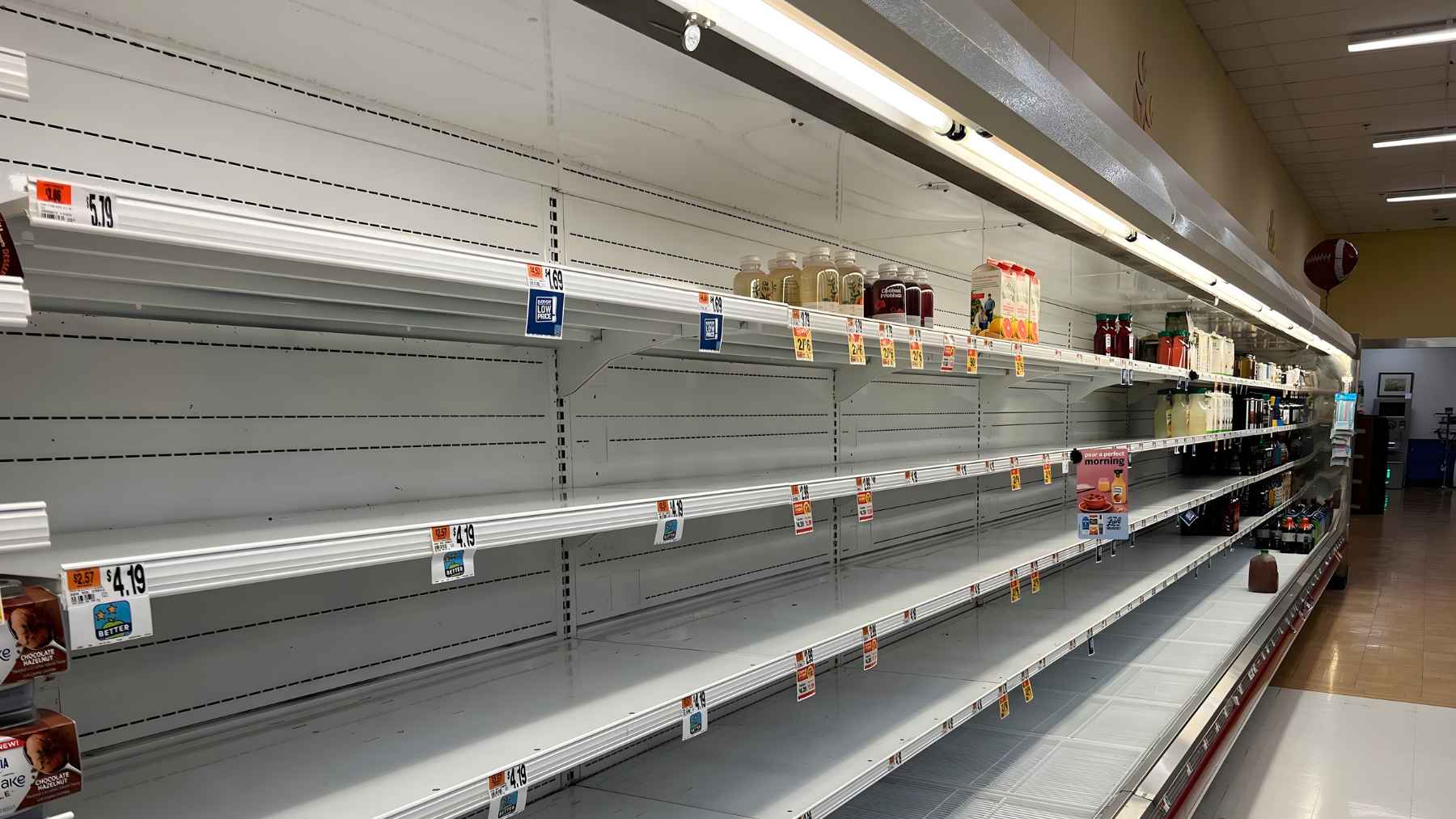
The Supplemental Nutrition Assistance Program (SNAP) pays out millions of individuals benefits in order to assist them with covering expenses related to food. SNAP supports over 40 million individuals across the country and is an essential program in preventing child poverty and keeping many families out of destitution. Payments are released in staggered amounts each month, and the amount that you receive in benefits is dependent on your household income relative to the number of individuals in your household.
SNAP income limit rules for beneficiaries
While SNAP is a federal program, it is managed and distributed by states individually. The program is specifically intended for low-income individuals. The amount of time you are allowed to be on SNAP varies depending on your working status, whether or not you have children, and if someone with a disability lives in your home.
To receive SNAP, your gross monthly income must be below 130% of the poverty line and your net monthly income must be 100% below the poverty line. The following income limits relative to the number of people in your household to qualify for SNAP are as follows according to the US Department of Agriculture (USDA):
- Household size of one: gross monthly income up to $1,632 and net monthly income up to $1,255
- Household size of two: gross monthly income up to $2,215 and net monthly income up to $1,704
- Household size of three: gross monthly income up to $2,789 and net monthly income up to $2,152
- Household size of four: gross monthly income up to $3,380 and net monthly income up to $2,600
- Household size of five: gross monthly income up to $3,963 and net monthly income up to $3,049
- Household size of six: gross monthly income up to $4,546 and net monthly income up to $3,497
- Household size of seven: gross monthly income up to $5,129 and net monthly income up to $3,945
- Household size of eight: gross monthly income up to $5,712 and net monthly income up to $4394
- Additional members: an additional $583 added to gross monthly income and an additional $449 added to net monthly income
This state pays up to $1,751 in SNAP benefits
The Texas Health and Human Services will pay out a maximum payment of $1,751 for Texan households of eight who qualify for SNAP according to the income limits and guidelines set by the USDA. If you are a household of more than eight, you will be paid an additional $219 per individual. If you are a household of less than eight, the following benefits will be paid to you:
- Household of one: $291
- Household of two: $535
- Household of three: $766
- Household of four: $973
- Household of five: $1,155
- Household of six: $1,386
- Household of seven: $1,532
Next week, payments will be made to beneficiaries whose last digits of their EDG number and their certification date ends in 9, with payments set to go off on July 15.
Changes coming to SNAP soon
The Big, Beautiful Bill by the Trump Administration is set for a final vote in the House before it becomes signed into law. The new piece of legislation brings with it significant changes that will impact the SNAP program. Currently, SNAP is fully funded by the federal government but should the Big, Beautiful Bill go into law it will require states to pay more into the program.
The federal government would continue to fund those states that have an error payment rate below 6%, but states with error rates above this would need to contribute anywhere between 5% to 15% of the program’s costs. Additionally, the bill expands the work requirements that able-bodied SNAP beneficiaries without dependents would need to adhere to to receive their SNAP benefits. Should the bill be passed, it may be detrimental to the state’s budgets and may mean that fewer people will be able to receive SNAP due to the budget cuts.
Disclaimer: Our coverage of stimulus checks, tax reliefs, tax rebates, tax credits, and other payments is based on the official sources listed in the article. All payment amounts and dates, as well as eligibility requirements, are subject to change by the governing institutions. Always consult the official source we provide to stay up-to-date and obtain information for your decision-making.