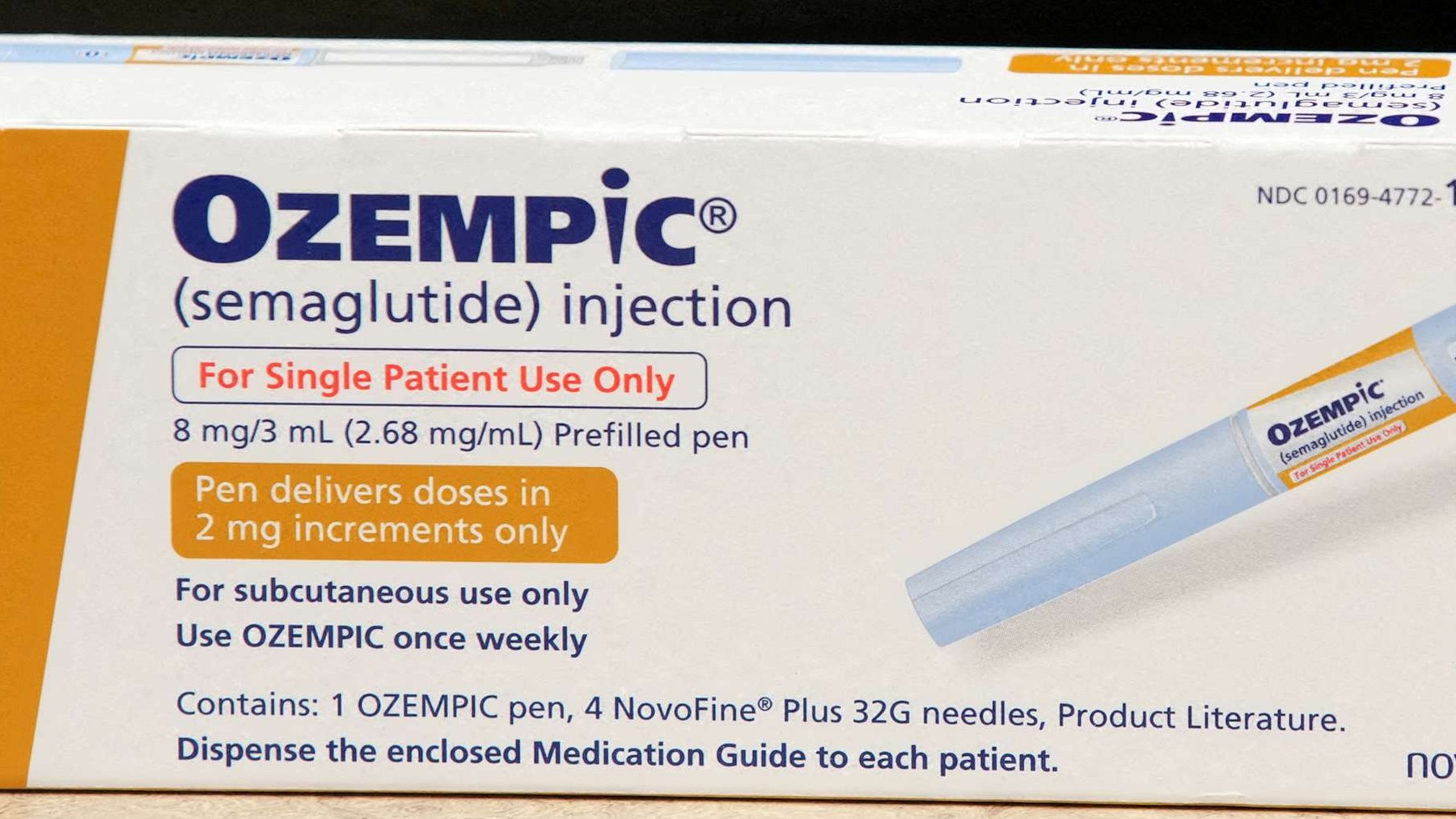
Recently, weight loss drugs like Ozempic and Wegovy have gained widespread attention, transforming the landscape of obesity management and weight loss treatments. Initially developed for the treatment of type 2 diabetes, these medications, which contain the active ingredient semaglutide, have become popular for their unexpected effectiveness in helping individuals lose weight. Now, you may be able to get them at zero-cost
What is Ozempic and Wegovy?
Ozempic and Wegovy are brand-name medications that contain the active ingredient semaglutide, a synthetic version of a naturally occurring hormone called GLP-1 (glucagon-like peptide-1). GLP-1 plays a key role in regulating blood sugar and appetite. Ozempic was initially approved by the FDA in 2020 for managing type 2 diabetes, as it helps lower blood sugar levels and reduces the risk of heart disease.
Later, Wegovy, a higher-dose version of semaglutide, was approved in 2021 specifically for weight management in individuals with obesity or those who are overweight with related health conditions. Both medications work by mimicking the effects of GLP-1, which helps reduce appetite, slows down stomach emptying, and improves insulin sensitivity. These effects lead to significant weight loss and improved metabolic health, making them effective tools for those struggling with obesity or weight-related health issues.
Ozempic and Wegovy hailed as “miracle drugs”
The popularity of the drugs has been fueled by social media influencers, celebrities, and widespread media coverage, creating a surge of interest from people seeking alternatives to traditional diet and exercise methods. For many, these medications offer hope of achieving weight loss goals more quickly and effectively, particularly for individuals who have been struggling with obesity their whole life.
As the demand for these medications grows, discussions surrounding their accessibility, affordability, and potential long-term impacts on health have also gained prominence. Despite their potential benefits, the rise of weight loss drugs like Ozempic and Wegovy has sparked important conversations about body image, weight loss expectations, and the broader implications of pharmaceutical interventions for obesity.
Biden administration reveals plans to get these drugs cost free
According to a fact sheet from the White House, approximately 3.4 million Medicare beneficiaries and 4 million Medicaid recipients would gain access to these medications under new proposed legislation by the Biden administration. These medications can cost up to $1,000 per month for those without insurance. For some Medicare enrollees, out-of-pocket expenses could decrease by as much as 95%.
“This proposal would allow Americans and their doctors to determine the best path forward so they can lead healthier lives, without worrying about their ability to cover these drugs out-of-pocket, and ultimately reduce health care costs to our nation,” the administration said. Although Medicare is legally prohibited from covering weight loss medications, the Centers for Medicare and Medicaid Services (CMS) has announced plans to reinterpret the law in order to allow coverage for obesity treatment as a chronic disease.
In 2022, approximately 22% of Medicare enrollees were diagnosed with obesity, more than double the rate from a decade earlier. Overall, about 40% of American adults are affected by obesity. The expanded coverage, set to begin in 2026 if approved, will be limited to individuals diagnosed with obesity, excluding those who are simply overweight. This reinterpretation of coverage would also apply to Medicaid, meaning that medications for obesity could no longer be excluded when used to reduce excess weight and support long-term weight loss.
The expansion of Medicare coverage is estimated to cost $25 billion over the next decade, with no immediate impact on drug plan premiums, according to Meena Seshamani, director of the Center for Medicare. Broadening Medicaid coverage is expected to cost the federal government $11 billion and state governments $3.8 billion over the same period, said Dan Tsai, director of the Center for Medicaid and CHIP Services.