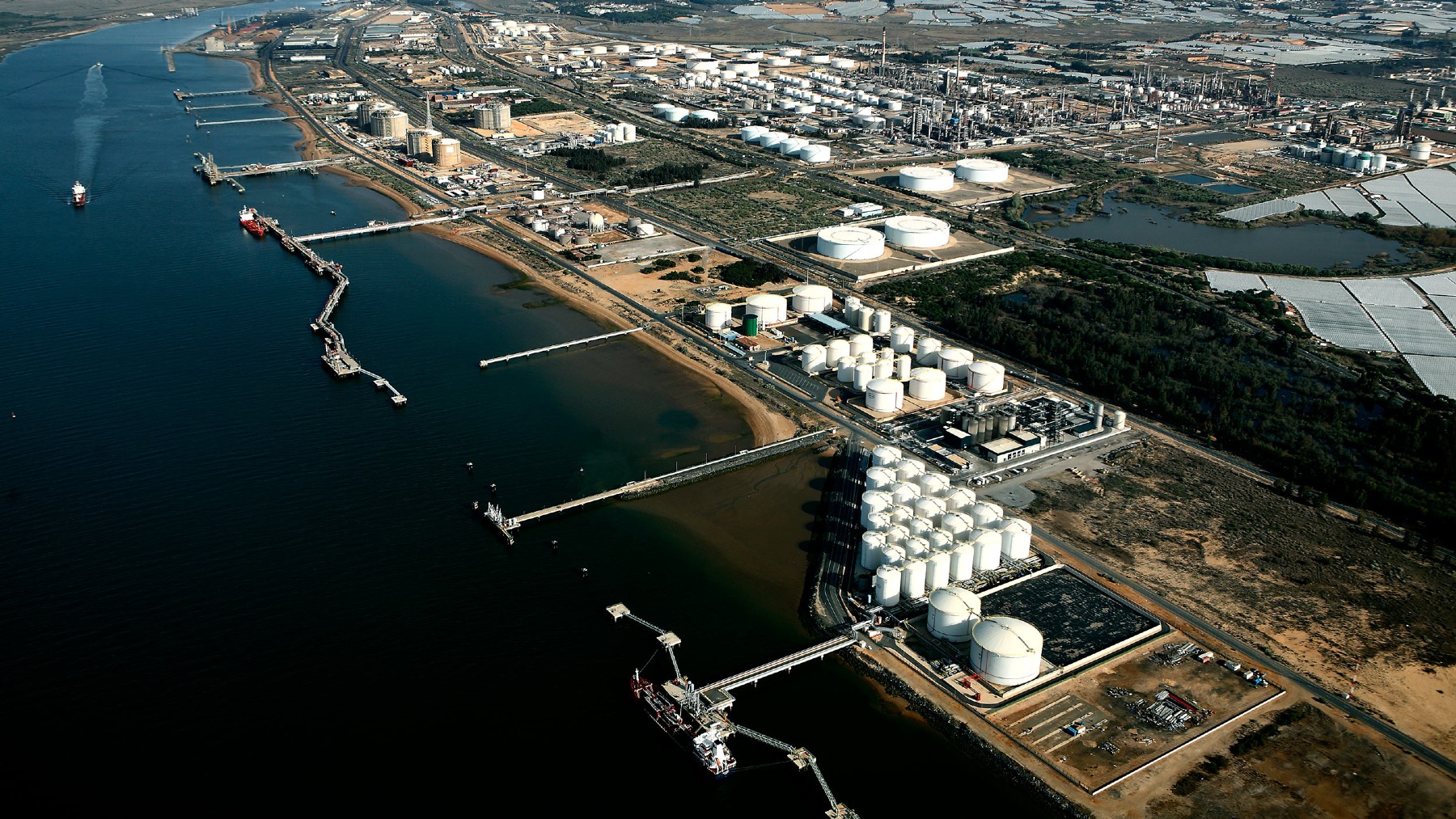
As the world turns to alternative green energy solutions, hydrogen is fast becoming a promising solution. While the world has significantly advanced its efforts on electricity, hydrogen gas as an alternative to fossil fuels is catching up. A groundbreaking project in Andalusia, Spain, is one such effort focused on hydrogen production at La Rabida Energy Park. CEPSA, an almost 100 years old Spanish multinational oil and gas company, has installed a new hydrogen plant at La Rabida to achieve this.
CEPSA installs a new hydrogen plant at La Rabida Energy Park
The new hydrogen plant installed by CEPSA at their La Rabida Energy Park is intended to increase the production capacity of high-purity hydrogen and eliminate deficiencies in the complex’s hydrogen network. The Pressure Swing Adsorption (PSA) plant is ideal for being highly efficient in its ability to separate hydrogen gas from compounds. This process can, therefore, yield very pure hydrogen with limited environmental impact.
The new PSA plant is 33,500 Nm3/h and much larger than their previous Hysiv plant which was in use up until now. It is made up of a loading bottle, six adsorption beds, and an Off-Gas compressor. The new PSA has been shown to remove excess low-purity hydrogen gas and generate a greater amount of high-purity hydrogen. High-purity hydrogen is essential for fuel cell efficiency and significantly reducing greenhouse gas emissions.
The new hydrogen plant has produced promising results
With the addition of the new PSA plant at CEPSA’s Energy Park, the company has been able to remove the load limitation on the Hydrocracker and Cyclohexane units. In addition, they have also been able to guarantee the supply of hydrogen necessary for vegetable oil hydrotreatment operations, where the required consumption of this gas is higher. Further, they have successfully reduced the Energy Park’s overall production costs.
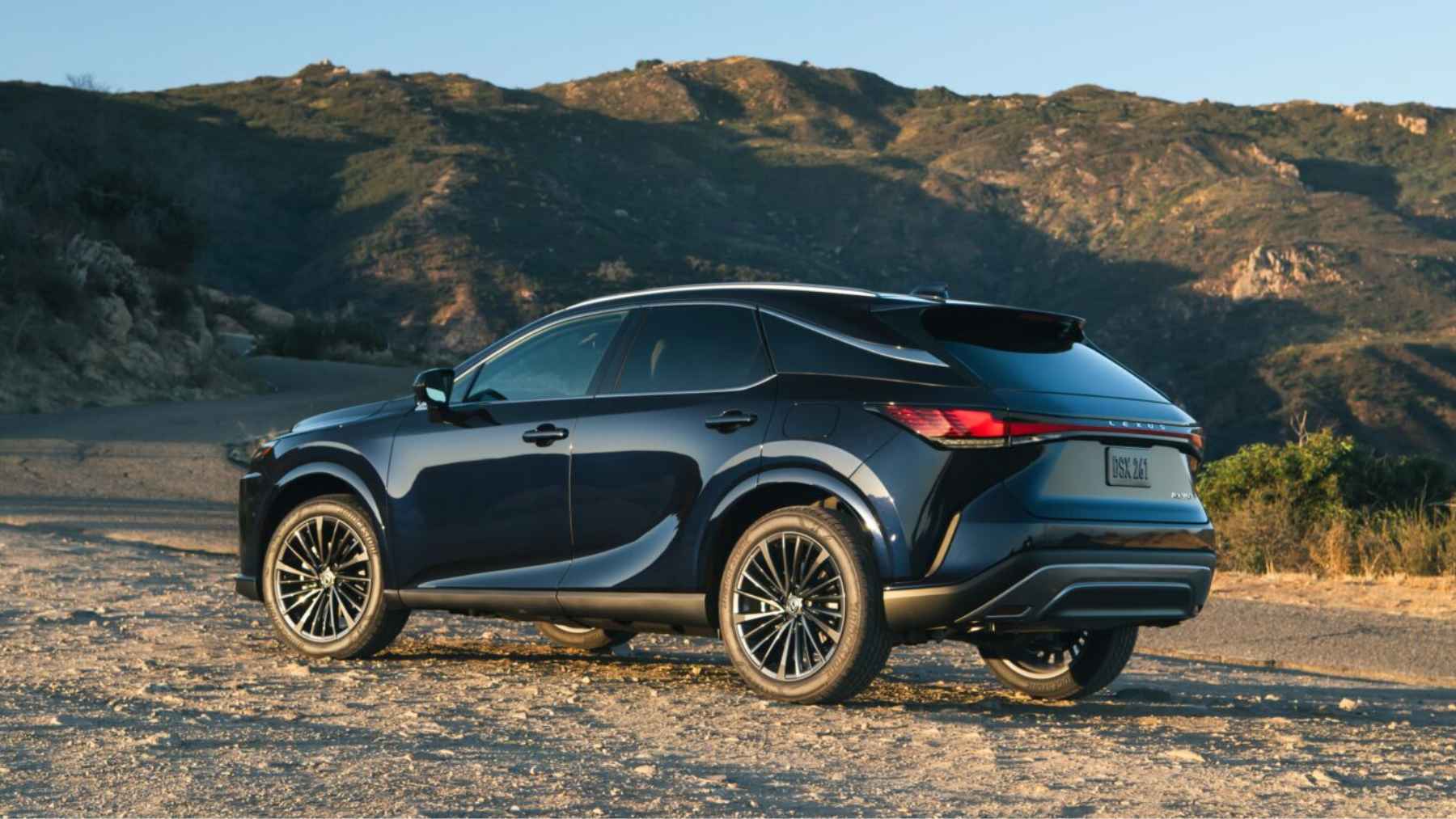
Hydrogen technology has overtaken the world by a storm somewhat overnight. Currently, efforts are focused particularly on the automobile industry to make private and commercial vehicles powered by hydrogen fuel-cell technology. Currently, there are hydrogen hybrid models available through the likes of Honda, Hyundai, and Toyota. However, they remain limited on the road and not near the popularity of the beloved electric vehicles.
The La Rabida Energy Park: A Hub for Innovation
La Rabida Energy Park has consistently used innovative strategies to solve their problems and achieve their goals. In 2023, they published a case study where they began to produce advanced biofuels (2G) with used cooking oils. To achieve this, they redesigned a plant originally intended to remove sulfur from fossil fuels into a brand new installation which was capable of producing sustainable diesel from vegetable oil, vegetable residues or fats of animal origin not intended for human consumption.
Biofuels are another alternative energy source which are gaining attention. Most fossil fuels are mixed with biofuels, including gasoline for cars. However, a major challenge with biofuels is that they are difficult to light which is essential to the internal combustion process in vehicles. However, they are expected to play a larger role in the future as the world makes the inevitable switch away from fossil fuel.
Hydrogen technology will definitely have an increased role in the future of sustainable technologies. While the process to source and capture the hydrogen is difficult, industries and research institutions across the world are looking at efficient ways to utilize hydrogen on a more widescale and sustainable approach. Hydrogen efforts have been considerably focused in Asia with current hydrogen technologies being significantly contributed to efforts from Japan, South Korea, and China. Germany has also made substantial efforts in hydrogen technology.