Data breach litigations between consumers and large corporate entities are becoming increasingly more common as the world becomes further digitalized. As such, never before has it been more crucial for companies and large entities that handle sensitive information to have a robust and comprehensive cybersecurity strategy to prevent data breaches. However, cyberattacks and the leakage of sensitive client information still occur, often resulting in large class action lawsuits. Check if you qualify for this $2,500 payout today.
Class action lawsuits for data breaches
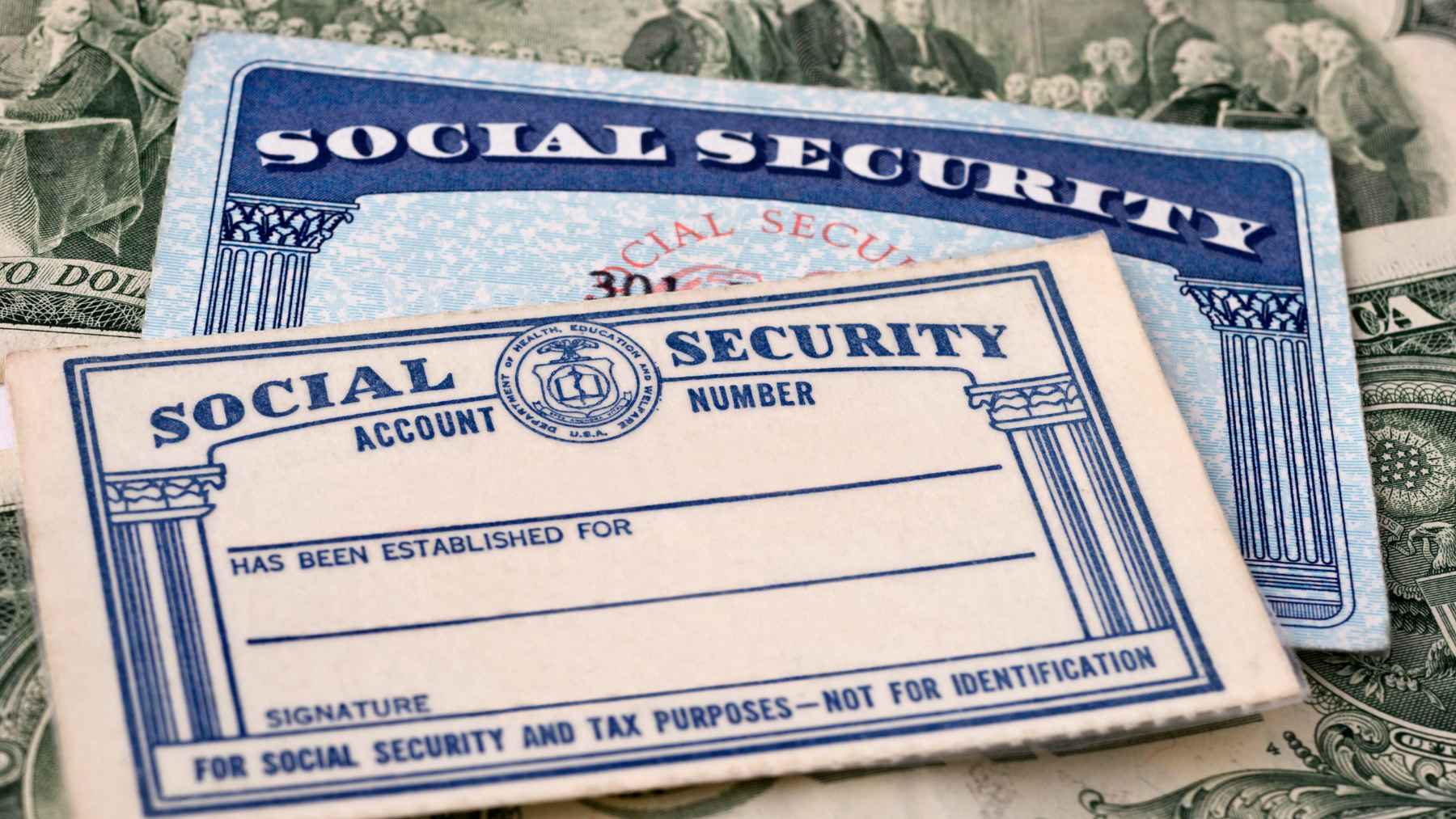
Data breaches refer to when an unauthorized individual gains access to sensitive client information, such as financial information, Social Security numbers, contact details, and other identification information. When this happens, it is generally in direct violation of an entity’s promise to secure their users’ details, and users can pursue legal action for the breach of their information.
When an unauthorized individual gains access to your sensitive information, it puts you at extreme risk of financial fraud and identity theft. This results in a long and expensive process of needing to resecure your information as well as deal with the repercussions of any fraud that may have already occurred. In cases of large data breaches, clients can pursue large class action lawsuits together as a collective entity in order to hold a company or organization accountable, as well as to ensure that they take further precautions going forward to secure client information.
You could qualify for this data breach settlement
TalentLaunch, an employment agency, recently agreed to settle a $1.2 million lawsuit between plaintiffs over the claim that the agency failed to protect their clients’ sensitive information in a May 2023 data breach. The incident saw approximately 119,000 individuals have their information exposed, including consumers’ names, dates of birth, Social Security numbers, driver’s license and state ID numbers, passport numbers, financial account details, digital signatures, medical and health insurance information, biometric information, and mothers’ maiden names.
While TalentLaunch has agreed to no wrongdoing, they have agreed to pay out eligible class members for losses associated with the data breach. The terms of the settlement are as follows:
- Class members who had their sensitive information breached can qualify for up to $5,000 in reimbursement for documented out-of-pocket expenses related to the data breach. While some may only need to claim a couple of hundred dollars, others may need to claim in the upper half between $2,500-$5,000, depending on the severity of your unique circumstance.
- Class members will receive a payout of up to $350, depending on the number of valid claims submitted
To qualify to partake in the settlement, you must submit the following as part of your claim:
- Proof of out-of-pocket expenses you have incurred due to the data breach, such as receipts
- Proof that you received a notification from TalentLaunch informing you that your data had been compromised in May 2023
The deadline to submit your valid claim is July 25, 2025, with the final hearing scheduled for August 12, 2025.
Massive payouts over class litigations
The class action payout of up to $5,000 over TalentLaunch’s data breach is in the higher range of class action litigation settlements. While it is generally thought that these class action settlements result in large payouts each time, sometimes they only amount to a few hundred dollars.
WellNow Urgent Care also recently settled a class action lawsuit with plaintiffs over a data breach, with a payout even higher than TalentLaunch’s. The WellNow Urgent Care litigation saw plaintiffs qualify for a $7,500 payout over their clients’ information being compromised. While it cannot undo the damage done from having your information exposed, it is one way to provide justice to plaintiffs. For more information about this settlement, you can visit Top Class Actions and get informed about how to file a claim.
Disclaimer: You should not submit false or inflated claims under penalty of perjury, as class‑action claim forms historically required declarations signed “under penalty of perjury” to ensure authenticity. Submitting a fraudulent claim not only carries legal exposure—including potential civil and criminal sanctions—but also harms other eligible class members by diluting the available settlement pool.