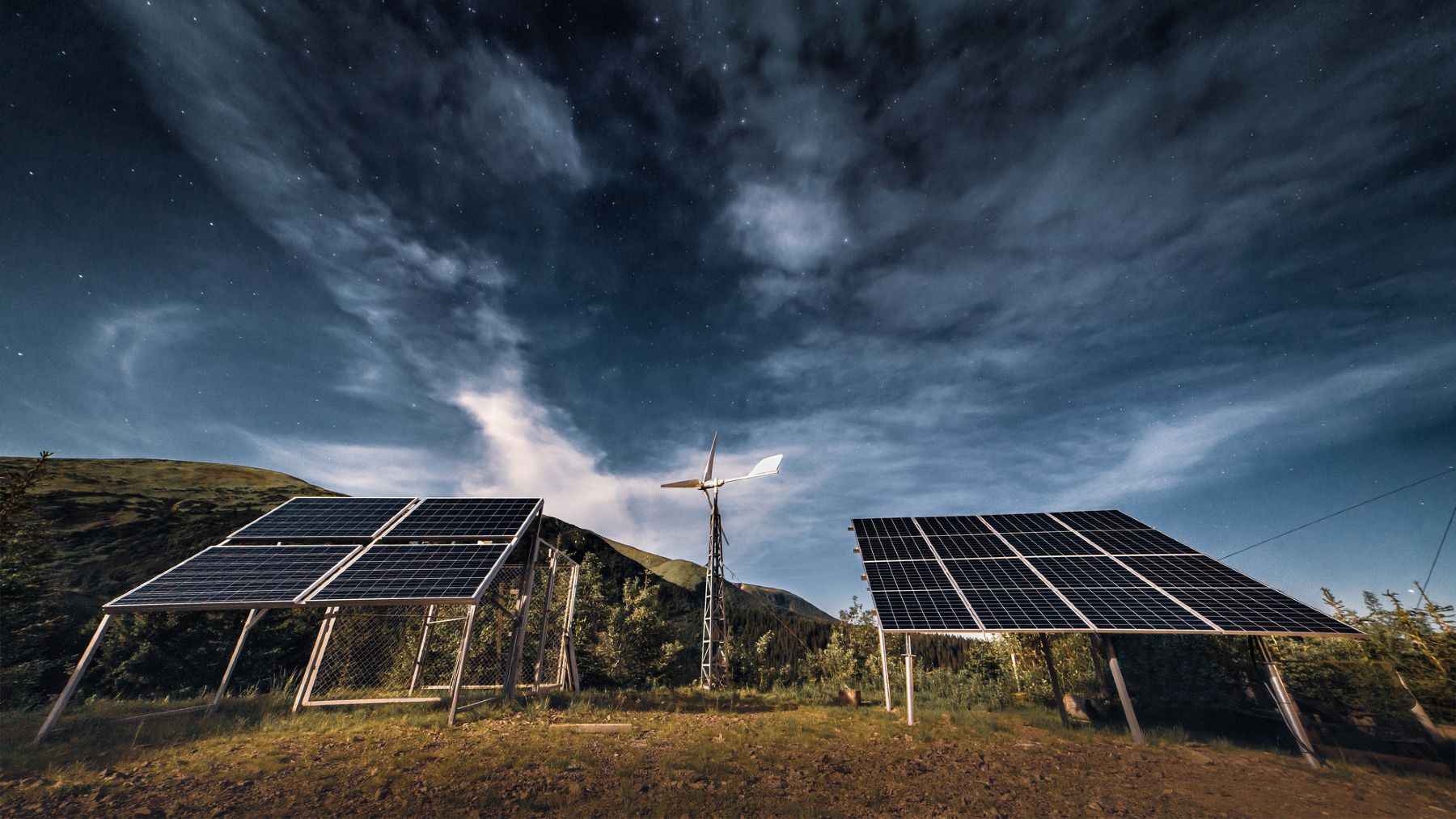
The Biden administration announced record sustainability funding in 2021 to exit the pandemic, decarbonize our economies, and counter China’s growing influence. Yet renewable energy subsidies have achieved the opposite: they are funding half the world, including our trading rivals.
Renewable energy subsidies don’t stay in America: this is how we’re financing the rest of the world.
A surprising amount of US clean energy subsidies benefit foreign manufacturers rather than domestic companies. This is especially true in industries like solar panels and wind turbines.
The US has provided over $40 billion in subsidies for renewable energy since 2010. However, much of this money has ultimately gone to purchase equipment from foreign manufacturers in places like China and Europe.
For example, over 80% of wind turbines installed in the US are manufactured abroad. Large wind farms can contain hundreds of wind turbines, costing tens of millions of dollars each. Yet the majority of this money flows overseas.
The solar industry faces a similar issue. The US imposed tariffs on imported solar panels in 2018. However, even with tariffs in place, over 80% of solar panels installed in the US are still imported. The largest suppliers are companies based in Asia.
Though subsidies aim to boost America’s renewable energy capacity, they have not necessarily created a robust domestic manufacturing base. In many cases, money is still spent on procuring equipment made by foreign competitors.
Wind power is booming in America but with subsidies going to emerging powers
The U.S. wind industry has grown rapidly in recent years, largely thanks to federal subsidies. However, most of the components for U.S. wind projects are manufactured abroad.
While the U.S. pioneered wind power technology, American manufacturers have struggled to compete. Today, over 70% of wind turbine components installed in the U.S. are imported. The majority come from China, which mass produces turbines and undercuts U.S. manufacturers on price.
Even U.S.-based wind companies like GE rely heavily on imports. Their wind turbines contain about 20,000 components, with many large parts sourced from Vietnam, China, and Europe. Other major turbine manufacturers, including Siemens, Gamesa, and Vestas, have centralized production overseas to benefit from cheaper labor and materials.
As a result, federal subsidies meant to boost American wind power have ironically supported job growth abroad. U.S. wind farm developers readily utilize cheaper foreign parts to maximize profits. This exemplifies how domestic subsidies often indirectly end up subsidizing foreign manufacturing.
Solar power is key to self-consumption but with subsidies funding our commercial rivals
The U.S. solar industry has benefited from generous government subsidies, including a 30% federal investment tax credit for solar installations. This has spurred massive growth in solar panel installations across the country.
However, the vast majority of those solar panels are imported from Asia. Over 95% of solar panels installed in the U.S. last year came from Malaysia and Southeast Asia. The top 10 solar panel suppliers in the U.S. are all foreign companies.
While the subsidies are meant to boost American renewable energy, much of that money flows overseas. According to some estimates, over 80 cents out of every dollar in renewable energy subsidies is spent on imports, not domestic manufacturing and jobs.
The subsidies end up boosting foreign solar companies, which can produce panels more cheaply. This represents a missed opportunity to develop a strong domestic solar manufacturing base and create more jobs in the U.S.
As you can see, renewable energy subsidies have achieved exactly the opposite of what we were promised. The relocation of funds has contributed to a loss of interest on the part of citizens, who have not been able to take advantage of the existing programs. In any case, we will see how these funding lines evolve and whether they really manage to stay in America.