Advancements in automobile technology have been in the limelight when it comes to changes in transport. From Elon Musk’s American-based company and China’s BYD both breaking boundaries in electrical engine solutions, to increasing prototypes and models being released of hydrogen engine models, the move towards climate-friendly engines has been making significant progress on the road. However, space travel is also making increasing advances, not just in terms of more carbon-friendly solutions, but also when it comes to technology which allows for deep space travel.
The pursuit for human space travel to Mars
The journey for humans to step foot on our neighboring “Red Planet” Mars has long been in conception ever since space travel become a reality. Part of the allure to travelling to Mars is not just the fact that such a feat would be revolutionary, but also because of its practicality. Earth has two neighboring planets: Venus and Mars. Currently as it stands, there is no way to send humans to Venus due to the inhospitable nature of the planet’s surface. To name a few conditions, Venus has a surface temperature of over 400 degrees Celsius, rains acid rain, and a toxic atmosphere made up of mostly carbon dioxide.
Mars, on the other hand, while still inhospitable, has more potential for a successful human spacecraft mission. Mars has both fertile soil and water on its surface. The atmosphere is also very low, making it much easier to launch a spacecraft from its surface. Mars mirrors many of the same conditions we have on Earth. While humans have made successful landings on the Moon, Mars would be a whole different challenge, and one which requires significantly more advanced technology than what we currently possess.
Significant hurdles to reach Mars
One of the first problems scientists face with sending a manned mission to Mars is the problem of landing the spacecraft successfully. Because Mars has such a thin atmosphere, the spacecraft would descended onto the surface very rapidly. NASA scientists are currently investigating developing a heat shield for a Mars spacecraft to mitigate this problem.
Other key problems NASA’s Human Research Program has identified with sending a manned mission to Mars are the following:
- Space radiation
- Isolation and confinement
- Distance from Earth, gravity (and the lack of it)
- Closed or hostile environments.
Russia launches plasma-engine prototype
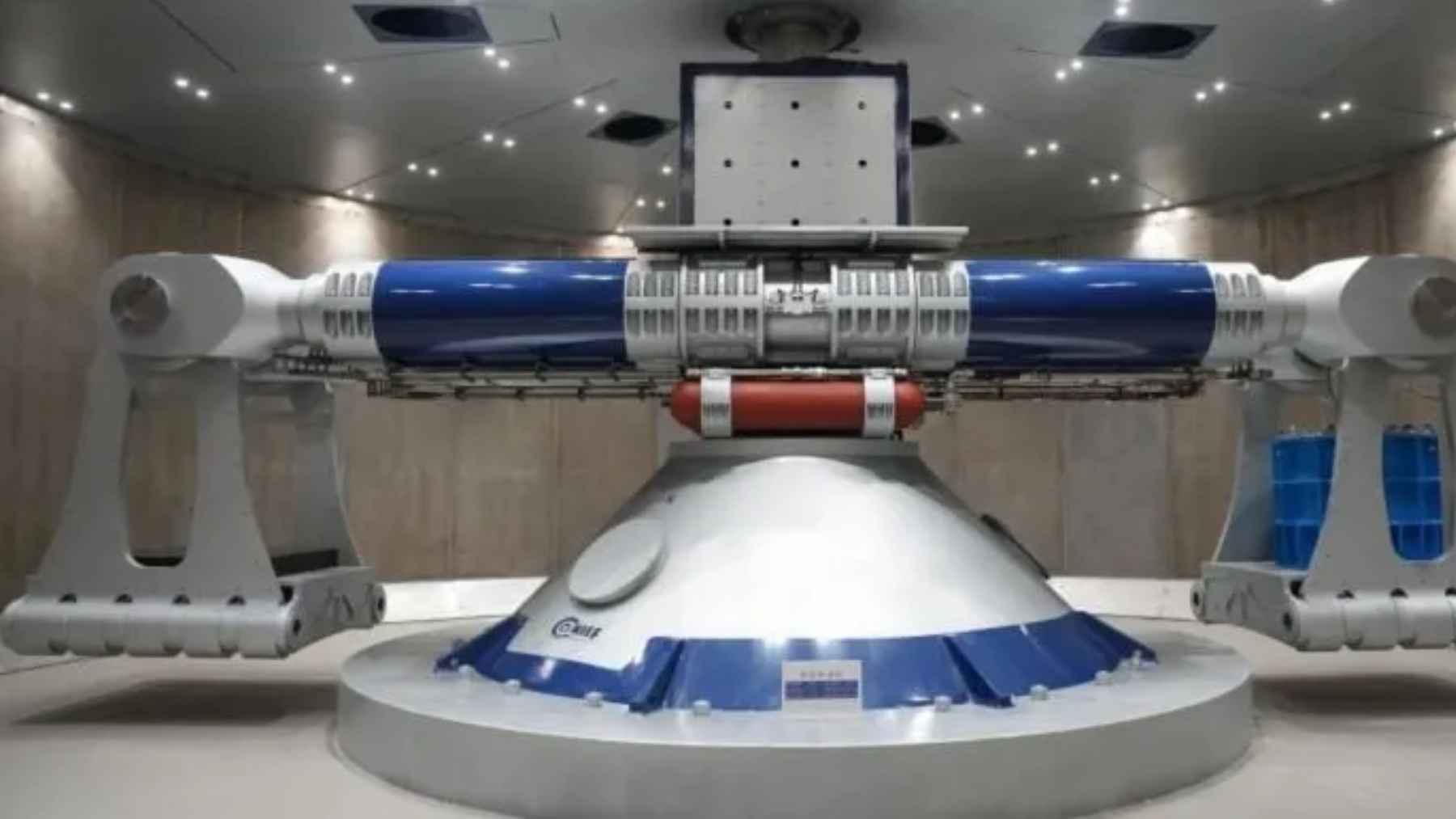
Not to be discouraged, Russian scientists have developed a plasma-engine prototype which could get a manned mission to arrive at Mars within 30 days. This is significant, as current technology would have a mission theoretically take six to nine months. This amount of time in space travel ties into the challenges NASA has identified with getting humans to Mars, as this amount of time travelling in space can have significant health repercussions for astronauts.
The plasma-engine prototype has been developed by scientists at Russia’s state-owned Rostatom corporation. The rocket uses hydrogen as fuel, but is still in early stages of its development and will likely take several years before it can be used for a human mission to Mars. Current rocket engines use liquid hydrogen fuel and liquid oxygen oxidizer as their fuel source, where they are pumped into a combustion chamber and ignite to produce hot exhaust to propel the rocket.
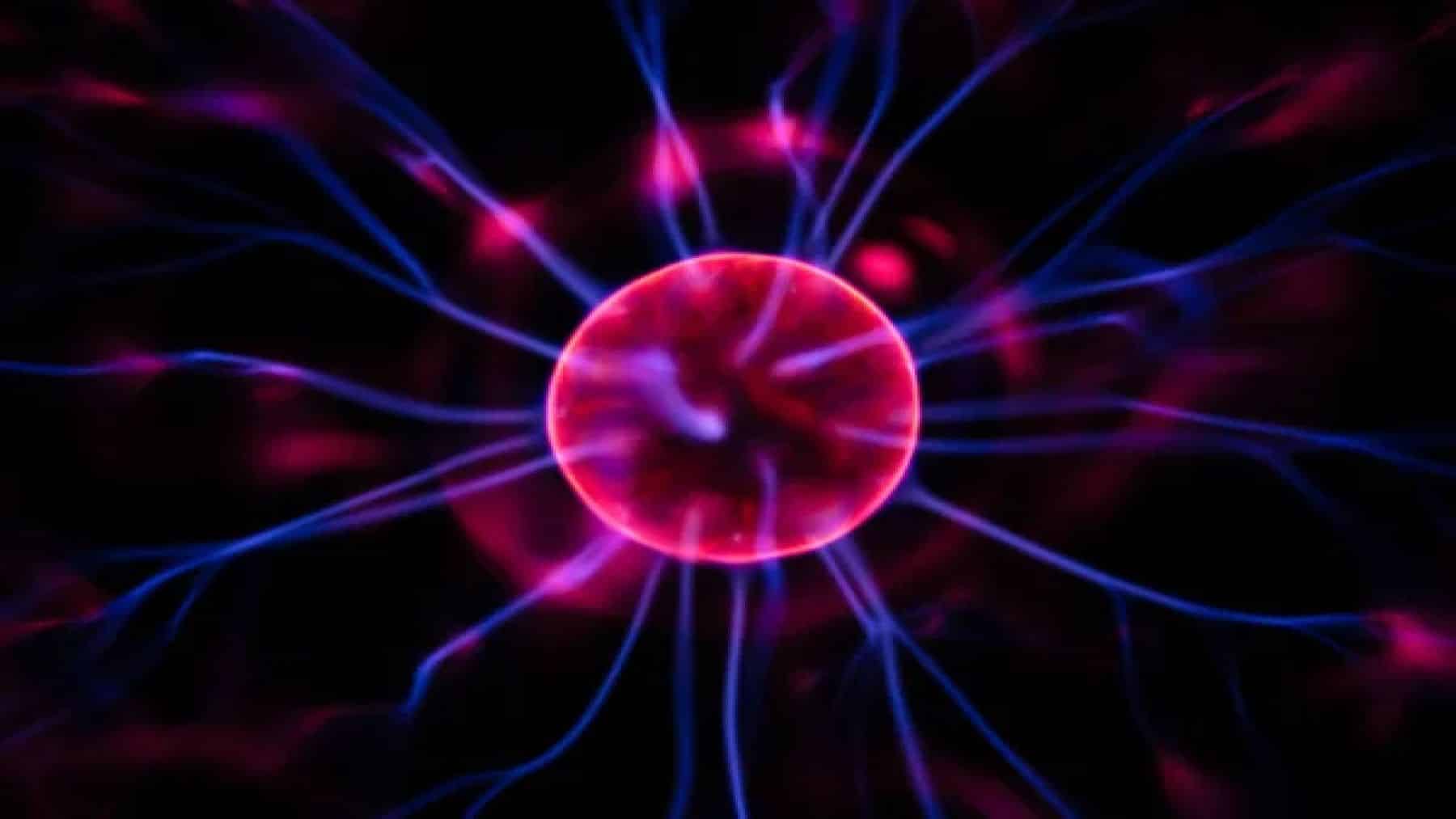
A plasma rocket however is a type of electric propulsion system that uses two electrodes. The current generated by charged particles moving between these electrodes creates a magnetic field that pushes the particles out of the engine. The plasma receives a directed motion and creates thrust for take off.
While this technology will not be fully developed any time soon, it is innovation which leads us one step closer to seeing humans on Mars.