In Riyadh, a stream that begins at a wastewater treatment plant does something that sounds almost impossible in the Arabian Desert. It keeps flowing, day after day, shaping a green corridor through Wadi Hanifah, a valley that runs through the Saudi capital.
The idea is simple. Reuse urban water instead of treating it as “waste.” The bigger lesson is trickier because once recycled water behaves like a river, it can create habitat and also carry risks that do not disappear at the treatment plant gate.
From pipes to a living waterway
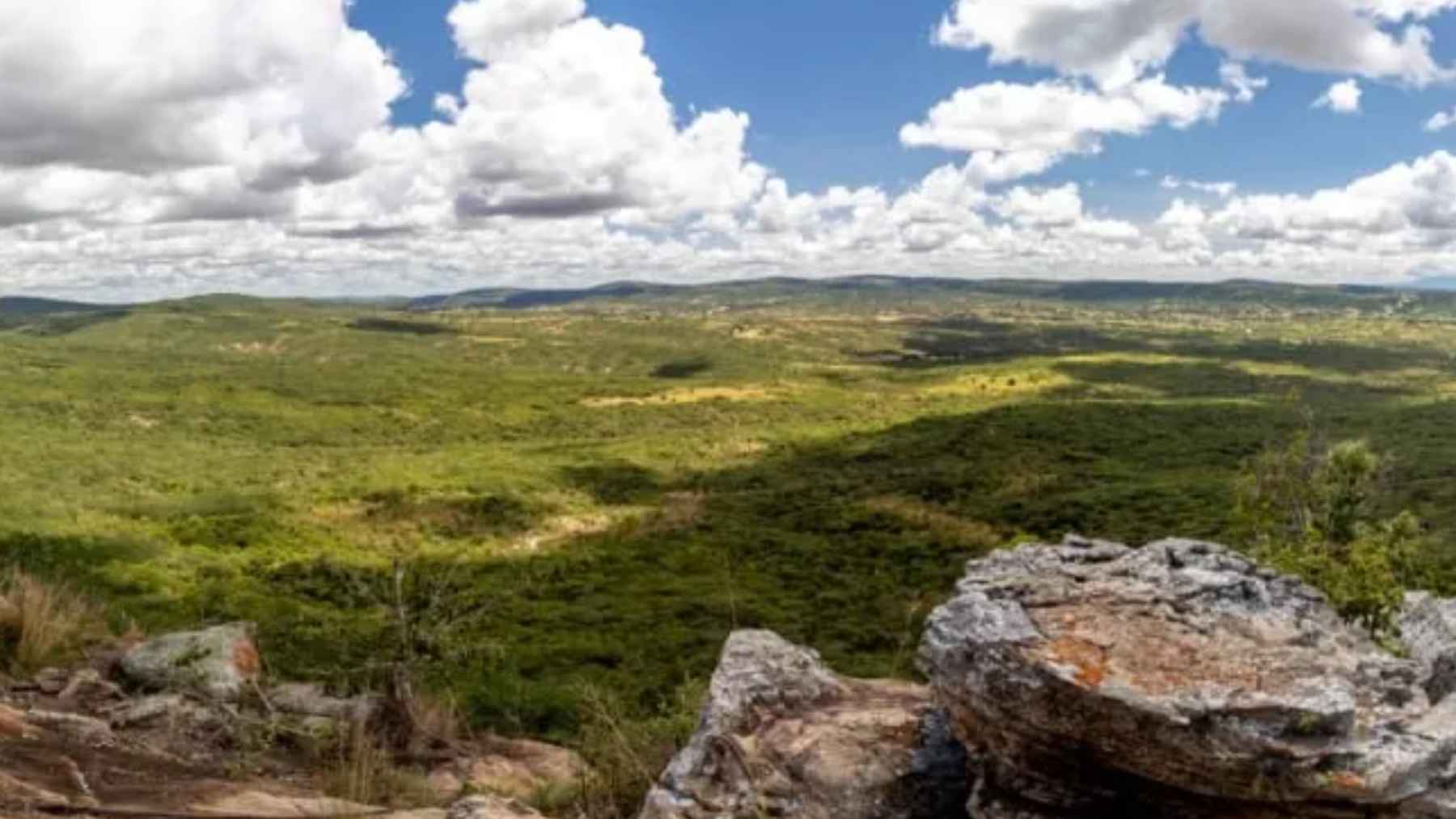
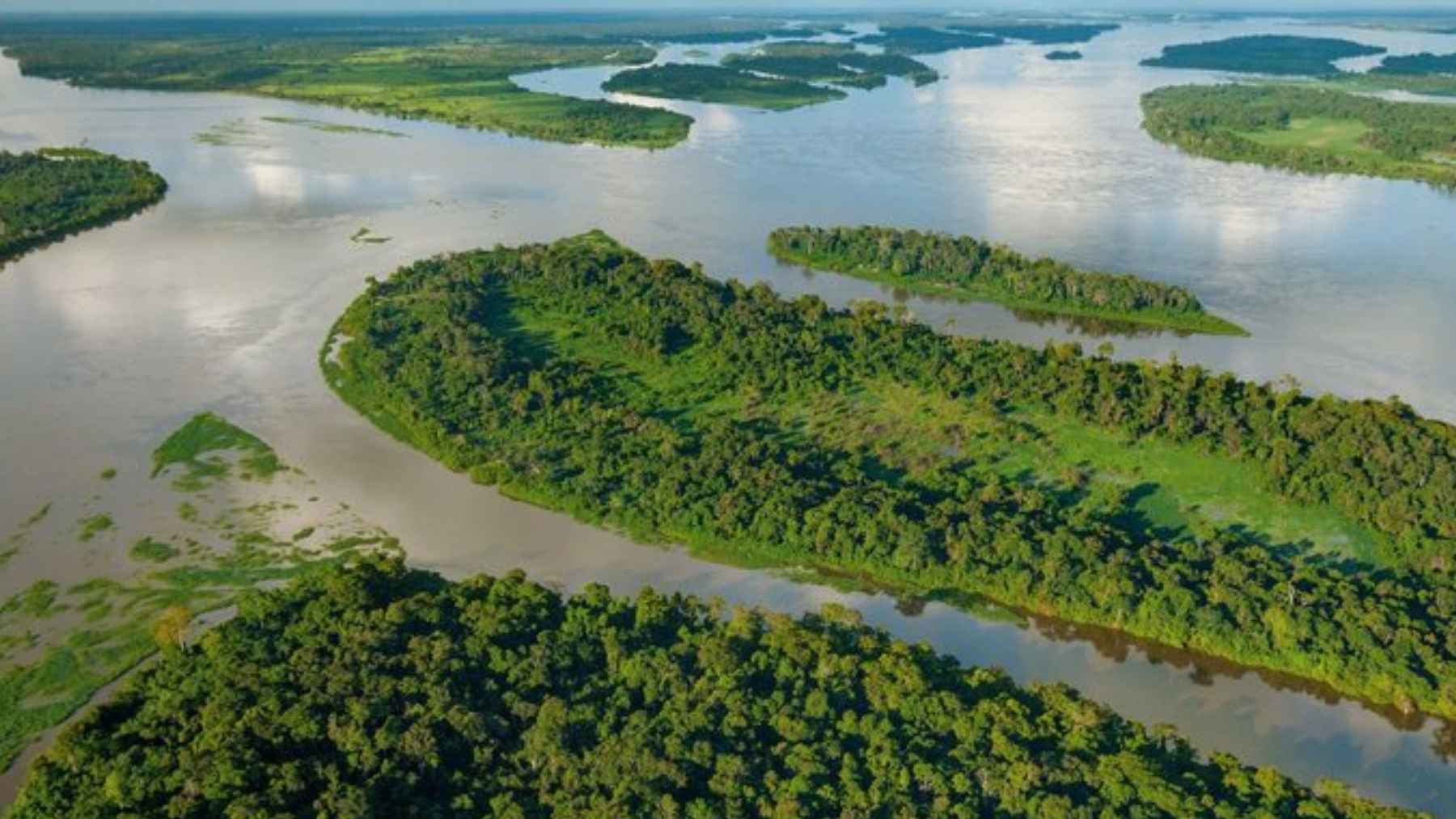
Wadi Hanifah is not a small canal tucked behind buildings. The Royal Commission for Riyadh City describes it as a 120-kilometer (about 75-mile) valley that penetrates the city, with sections hundreds of feet wide and up to a few hundred feet deep.
So where does the water come from in a place with no permanent rivers nearby? The official project description says roughly 1,000,000 cubic meters (about 264 million gallons) flows into the wadi each day from a mix of groundwater and treated water, which averages roughly 410 cubic feet per second.
This is not a brand-new experiment. Planning documents for the wadi note that as Riyadh grew, treated wastewater helped turn parts of the valley into a “continuous watercourse,” and the Manfouha sewage treatment plant began operating in the early 1980s.
Why Riyadh keeps recycling its water
If you live in a coastal city, wastewater can be discharged to the sea after treatment. Riyadh is inland, and Saudi Arabia’s water statistics show how engineered the supply already is, with desalinated water making up 50% of total distributed water in 2023.
Water use also explains the sheer volume of wastewater a megacity generates. Nationally, household water consumption averaged 102.1 liters (about 27 gallons) per person per day in 2023, down from 112.8 liters (about 30 gallons) in 2022, according to the General Authority for Statistics.
Behind the scenes, that “used” water is being treated at industrial scale. In 2023, the National Water Company said it awarded a long-term contract to rehabilitate and operate the Manfouha treatment plants complex in Riyadh, with a total capacity of 700,000 cubic meters per day (about 185 million gallons per day).
Nature-based treatment, not just concrete
Turning wastewater into a steady flow is not only about pipes and pumps. The Royal Commission for Riyadh City calls Wadi Hanifah the city’s “green lung” and says the rehabilitation program uses a natural, non-chemical treatment approach that relies on sunlight and oxygen to support microorganisms and algae.
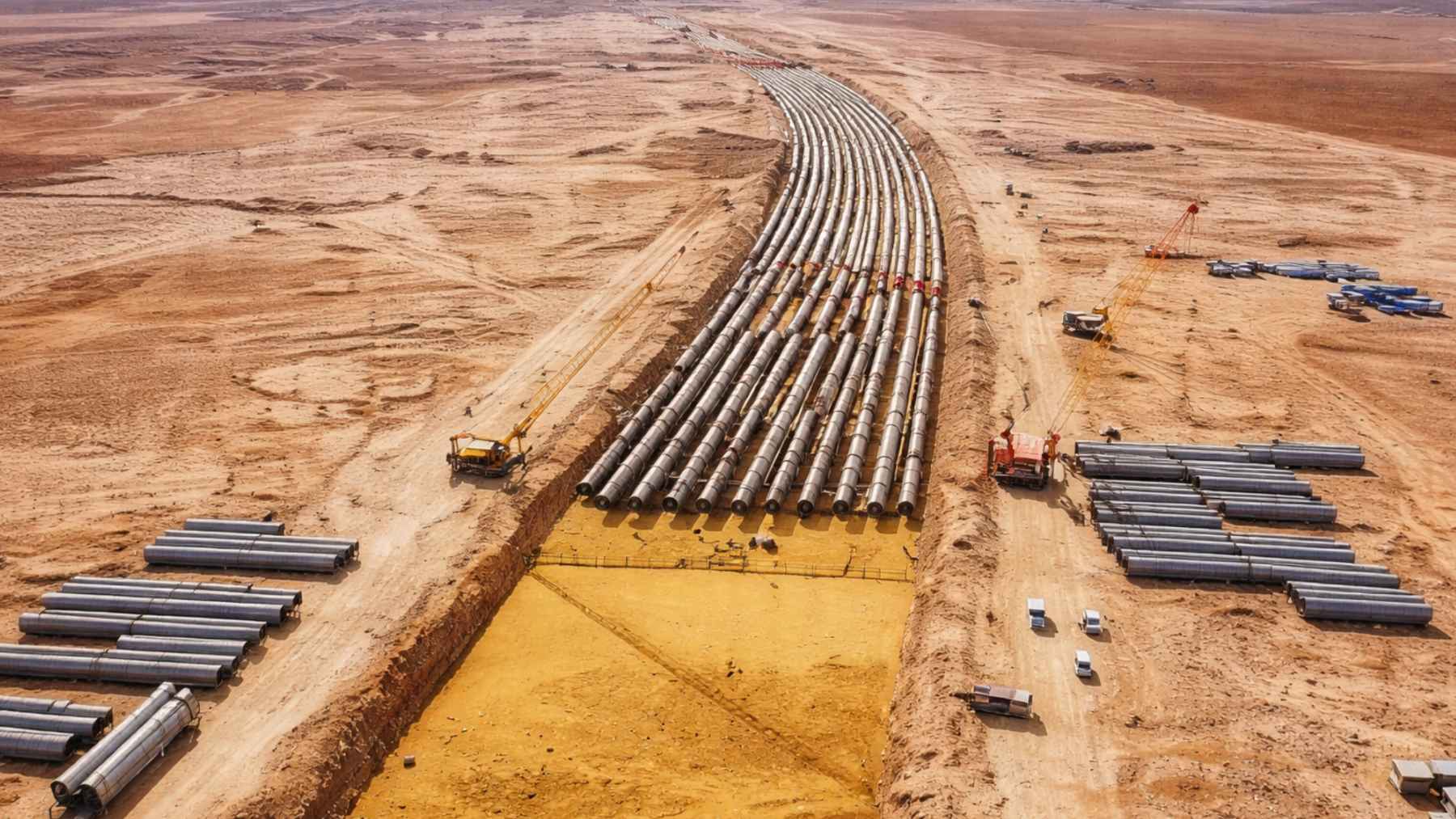
In practical terms, that means reshaping watercourses so the water can be cleaned as it moves. The program describes an open channel built for permanent flow that runs 57 kilometers (about 35 miles), reinforced with rock formations and weirs to help treat water and keep it moving year-round.
There is also dedicated infrastructure for biological treatment, including a station of more than 100,000 square meters (about 25 acres) that uses 140 weir cells and aeration to increase oxygen and reduce pollutants. It is the kind of “hidden” facility most residents never think about when they turn on the tap.
A new oasis means new species
Once water stays put, life tends to show up. The wadi project describes a large revegetation effort that included tens of thousands of desert trees and thousands of palm trees, which helps stabilize banks and expand shade in a city where summer heat is a daily fact of life.
Wildlife has followed the habitat. A case study of the Wadi Hanifah bioremediation facility reported observations of 15 bird species and 9 fish species on site, along with amphibians and reptiles, suggesting how quickly food webs can form around treated urban water.
But “more species” does not always mean “healthier ecosystem.” Project documentation warns that some observed species are non-native or invasive, and the bioremediation design itself even relies on tilapia to help control algae, a reminder that engineered ecosystems can come with tradeoffs.
Treated does not mean risk-free
That tradeoff shows up most clearly in water quality. A 2024 peer-reviewed study in PLOS ONE evaluated Wadi Hanifah using physical measurements, chemical testing, and bacterial indicators, aiming to capture how the wadi’s quality changes across locations and conditions.
The authors reported that pollution signals vary across the valley, with elevated ammonia and some heavy metals pointing to organic and industrial contamination in certain areas, and fecal-indicator bacteria suggesting sewage or agricultural runoff influences. Those findings do not cancel the restoration story, but they do underline why “treated” water still needs ongoing, location-specific management.
This is where the details matter for everyday life. The Wadi Hanifah bioremediation case study reports large reductions in fecal coliforms and other pollutants through nature-based treatment cells, and it emphasizes continuous monitoring because conditions can shift with flow, temperature, and upstream inputs.
The climate lesson is bigger than one river
Saudi Arabia’s national numbers show that reuse is scaling up. The 2023 Water Accounts publication reports reused water consumption rose to 555 million cubic meters (about 147 billion gallons) in 2023, a 12% increase from 2022.
For cities like Riyadh, reuse is tied to energy and emissions. Research on Saudi urban water use notes that desalination is energy-intensive, so every gallon that can be safely reused locally may reduce the need for more production upstream, which matters in a hotter world and, yes, on the electric bill.
At the end of the day, a “river” made from recycled water is both a symbol and a warning sign. It shows how quickly a desert landscape can change when water returns, and it also shows how important water quality rules and invasive species control become once nature starts treating our infrastructure like habitat
The study was published on PLOS ONE.