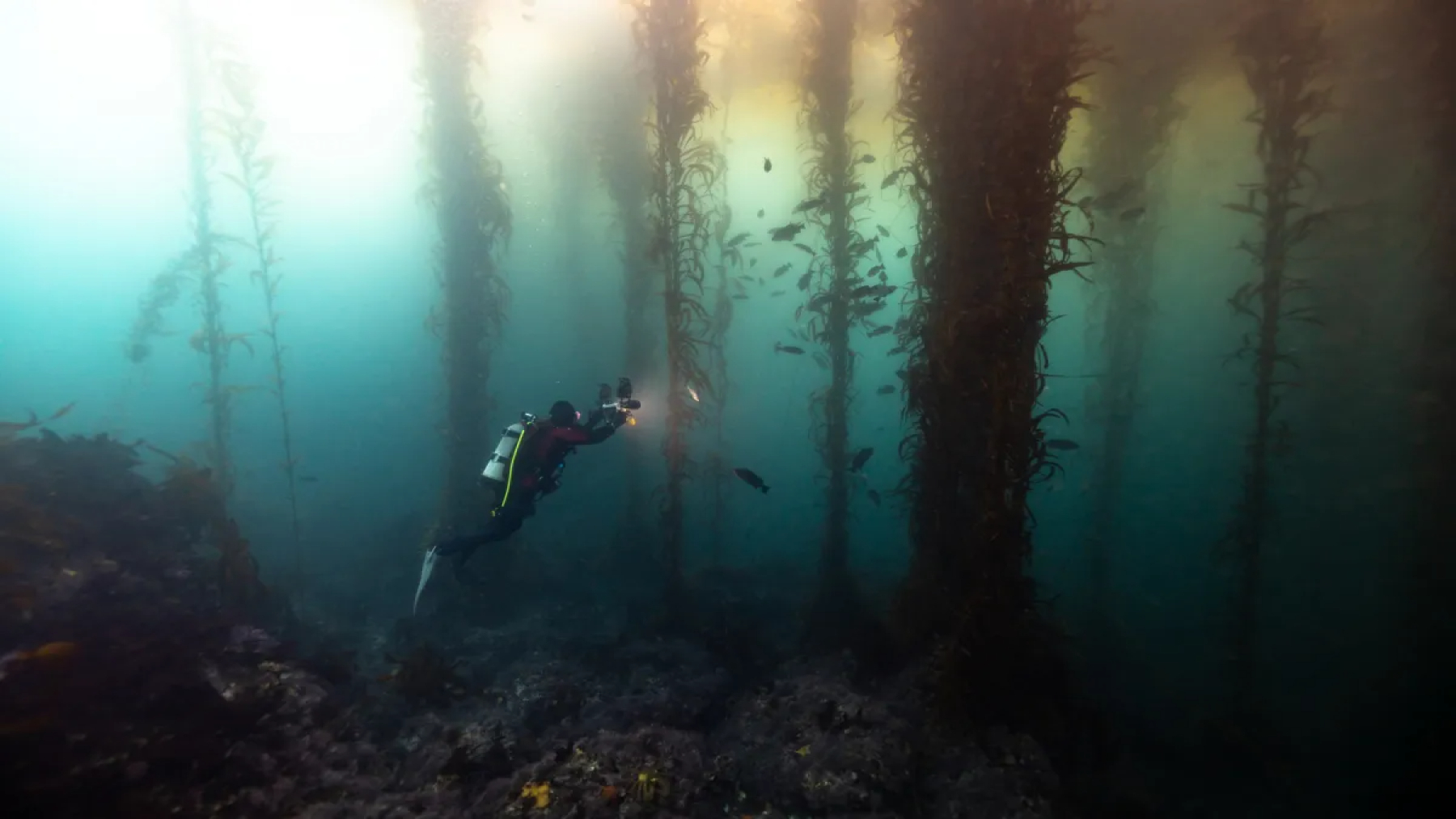
Dubbed the “Amazon of the Sea,” the Coral Triangle possesses expanses in six Southeast Asian nations, including the Philippines, Indonesia, Malaysia, Papua New Guinea, Solomon Islands, and East Timor. It covers an area of 5.7 million square kilometres with marine biodiversity and unparalleled underwater scenery. Needing urgent conservation efforts, this important ecosystem is facing real threats to its existence.
The coral triangle: An unmatched marine hotspot for biodiversity
The global richest marine mega-biodiversity hotspot-the Coral Triangle, occupies 764 known coral species of the world and is blessed with over 3000 fish species, which is more than doubled that of any other marine environment.
An extraordinary concept of biodiversity primarily relates to the potential geographical location of this unique area as nutrient-rich waters support the landscape with an abundance of life. The corals possess a great diversity of species even the endangered species like turtle and even manta ray, depend on these places for assembling.
The sheer abundance in diversity makes it an ideal destination for marine tourism, especially diving and historical snorkeling. It has become really one of the top diving places in the world for those divers who long for colorful underwater ecosystems and has some of the most beautiful pristine coral reefs ever.
Besides this heaven for marine life, the arena of 120 million people relies directly on such endowments for food, income, and cultural heritage. The area also happens to be a global seafood powerhouse, making it highly essential for locals and the world at large.
Overfishing to climate change: The forces powering coral reefs
This precious ecosystem is now greatly endangered by human activity. Overfishing combined with destructive fishing techniques like dynamite and cyanide fishing along with irresponsible mining and oil operations generate irreversible damage to the coral reef.
Thousand years are taken for the coral reef to develop, (just like this massive 300-year-old coral which was discovered in the South Pacific Ocean) and a single destructive blowing can wipe them out in a fraction of a second. Withering the delicate balance of the ecosystem is the problem where key species are faster than the capacity of their reproduction.
Moreover, the threat is incessant and continuous-one of these is climate change that worsens an already delicate situation. High ocean temperature causes the bleaching of coral reefs, thereby forcing them to expel the symbiotic algae that give colors and food, leaving them open for diseases and death. The Coral Triangle is already stretched, but unless enough conservation efforts are placed into action, the future does not look bright.
Sustainable tourism: Lifeline of coral triangle
Preserving the Coral Triangle from now on relies heavily on sustainable tourism. That is bringing responsible tourism so much that it limits carbon footprints, maximizes use of natural resources, or allows fitting exploration of the destination’s beauty within nature’s embrace.
The new wave of eco-friendly initiatives for tourism now assures a travel program for diving, liveaboard sailing, and resorts meeting the sustainable parameters. The Coral Triangle webpage is at the forefront of such promotion in sustainable tourism practices.
It will soon be a comprehensive tourism portal connecting eco-conscious tourists with vetted operators in the region. From Bali and Komodo to Raja Ampat and Timor-Leste, the portal is dedicated to destinations committed to the stewardship of their resources and the conservation of their marine ecosystems.
Tours and these types of experiences will make the exposure to this magnificent region a delightful but educational one knowing that he/she has benefited the local community for being in this place while still protecting it.
The Coral Triangle is one of the world’s treasures underwater but faces a multitude of challenges. Sustainable tourism is one of its saving graces; it purports to conserve biodiversity by advocating responsible travel and initiating eco-friendly ventures. Conservation figuring brightens up the prospect of the “Amazon of the Sea” (like this one in the South Pacific Ocean) for future generations.