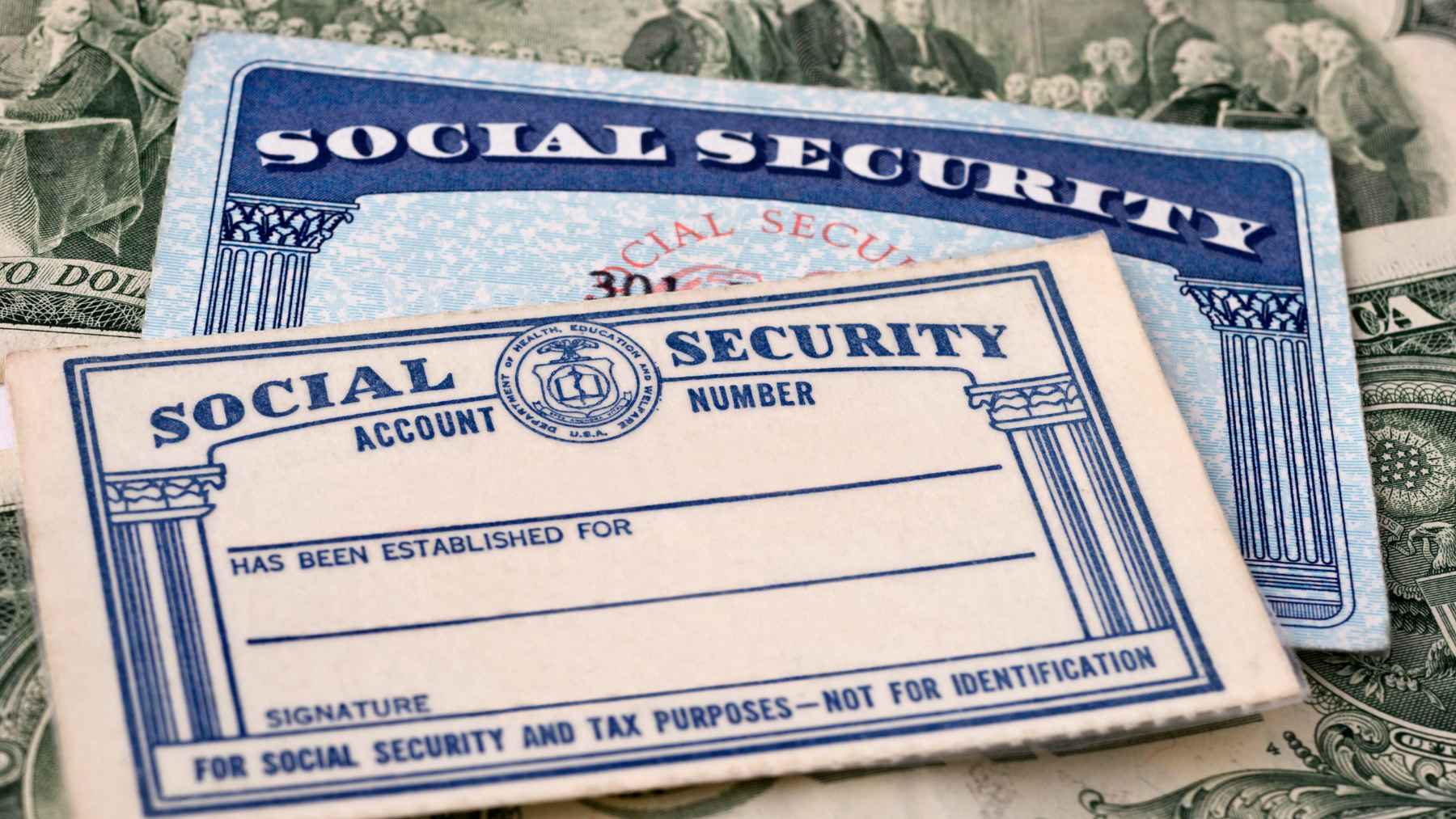
Social Security continues to be a lifeline for millions of Americans. Over 70 millions Americans receive some form of Social Security benefits, with the large majority receiving from the retirement fund. New legislation changes are expected to impact the fund in 2025, as well as changes to increase the longevity of the fund expected to occur soon.
New changes for Social Security
Earlier this year, new announcements were made about changes to Social Security payments for next year. Now, additional legislation is expected to impact beneficiaries starting in 2025. The Social Security Fairness Act is currently in the process of being passed by the Senate after making it through the House of Representatives. The act is looking to be passed before the transitionary period between the Biden and Trump administration takes place.
While Social Security is intended to supplement retirement income, new data reveals that 53% of current workers look to depend on Social Security to pay their expenses when they retire. This is the reality for the majority of Social Security beneficiaries who do not have any other source of income other than their Social Security payments. This new data, including the finding that 73% of workers worry that there will be no Social Security when they retire, has spurred the development of The Social Security Fairness Act.
How will the new Fairness Act change things for Social Security
The new bill aims to eradicate the Windfall Elimination Provision (WEP) and the Government Pension Offset (GPO). By doing so, certain individuals with specific careers like teachers or firefighters will have their payments increased due to the removal of legislation clauses which come from these bills. These careers allow for individuals to collect a pension, which under current legislation, means that your Social Security gets reduced. The new bill also aims to ensure that survivors continue to receive full Social Security benefits.
Despite the bill being backed by both Democrats and Republicans, it must be passed before December 31st or else a new draft will need to be proposed by someone else and the whole process must restart. Should the bill pass through the Senate, it will cost the government $190 billion over the next ten years. The bill has been proposed by Rep. Garret Graves of Louisiana.
The new legislation does not avoid controversy entirely
While the new bill has been welcomed by many, some critics worry about how it might affect the stability of Social Security. WEP was originally introduced in 1983 to address an inequity faced by individuals who receive a pension from employment not covered by Social Security while also qualifying for Social Security benefits from other work.
The issue arises because Social Security benefits are designed to provide a higher percentage of income to low earners based on their contributions. Individuals with pensions from non-Social Security-covered employment, who didn’t contribute to the system for much of their careers, may appear to have lower incomes compared to those who contributed throughout their entire working lives. In 1983, this disparity was recognized as a “windfall” for those employees.
Critics provide the example that imagine who had two individuals with identical salaries: one who paid into the Social Security system for 35 years, and another who paid into Social Security for half that time but had a state pension. Under the proposed Fairness Act, the benefit for the state employee could be as much as 45% higher per year than for the employee who contributed for their entire career. This bill would not only restore an unfair windfall within the system but also place additional strain on an already struggling program.
Regardless of which camp you fall into, beneficiaries are reminded that to achieve the most benefit out of your payments, you should delay collecting your payments for as long as possible and have other savings options waiting for you to withdraw from when you retire.