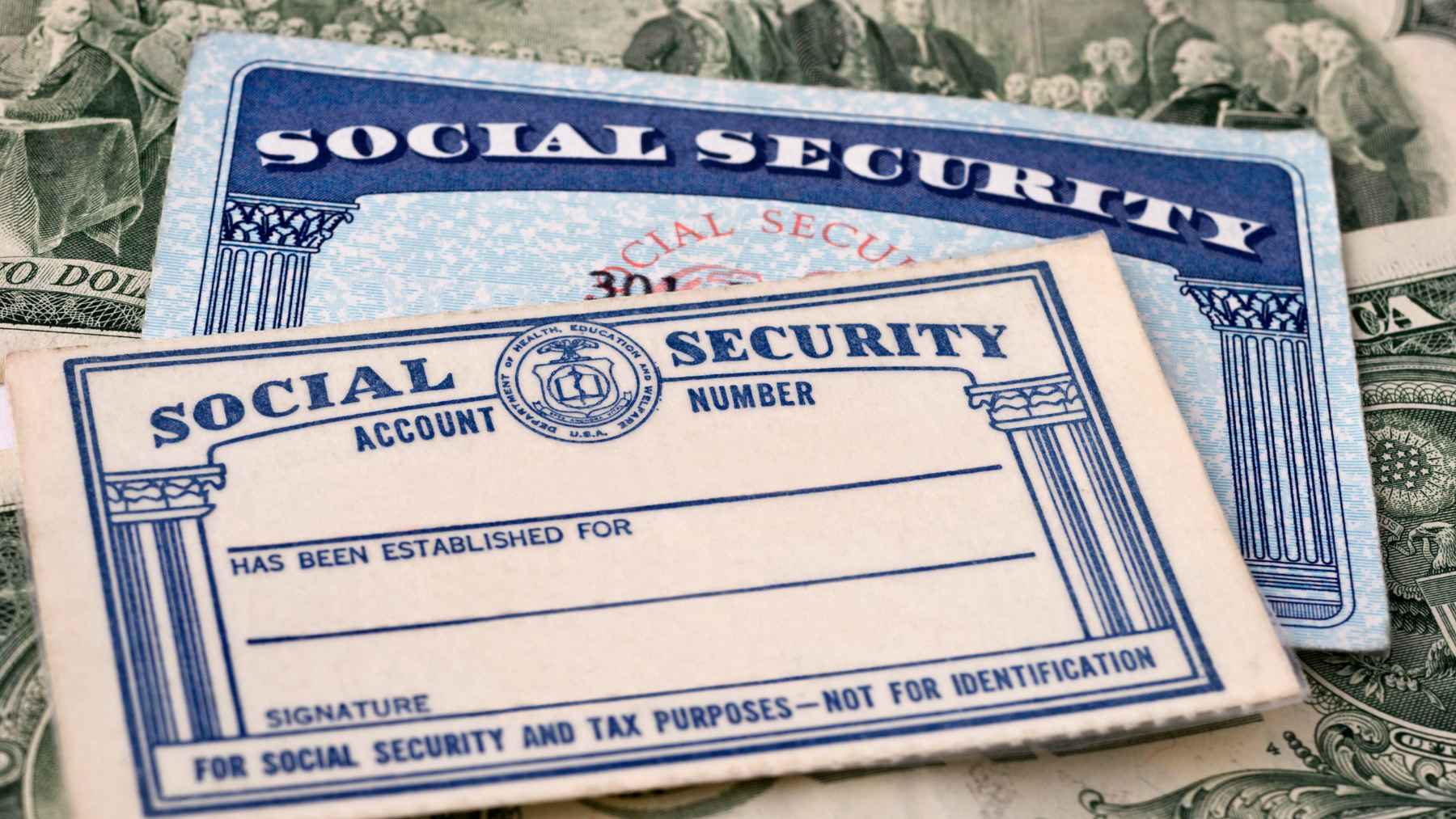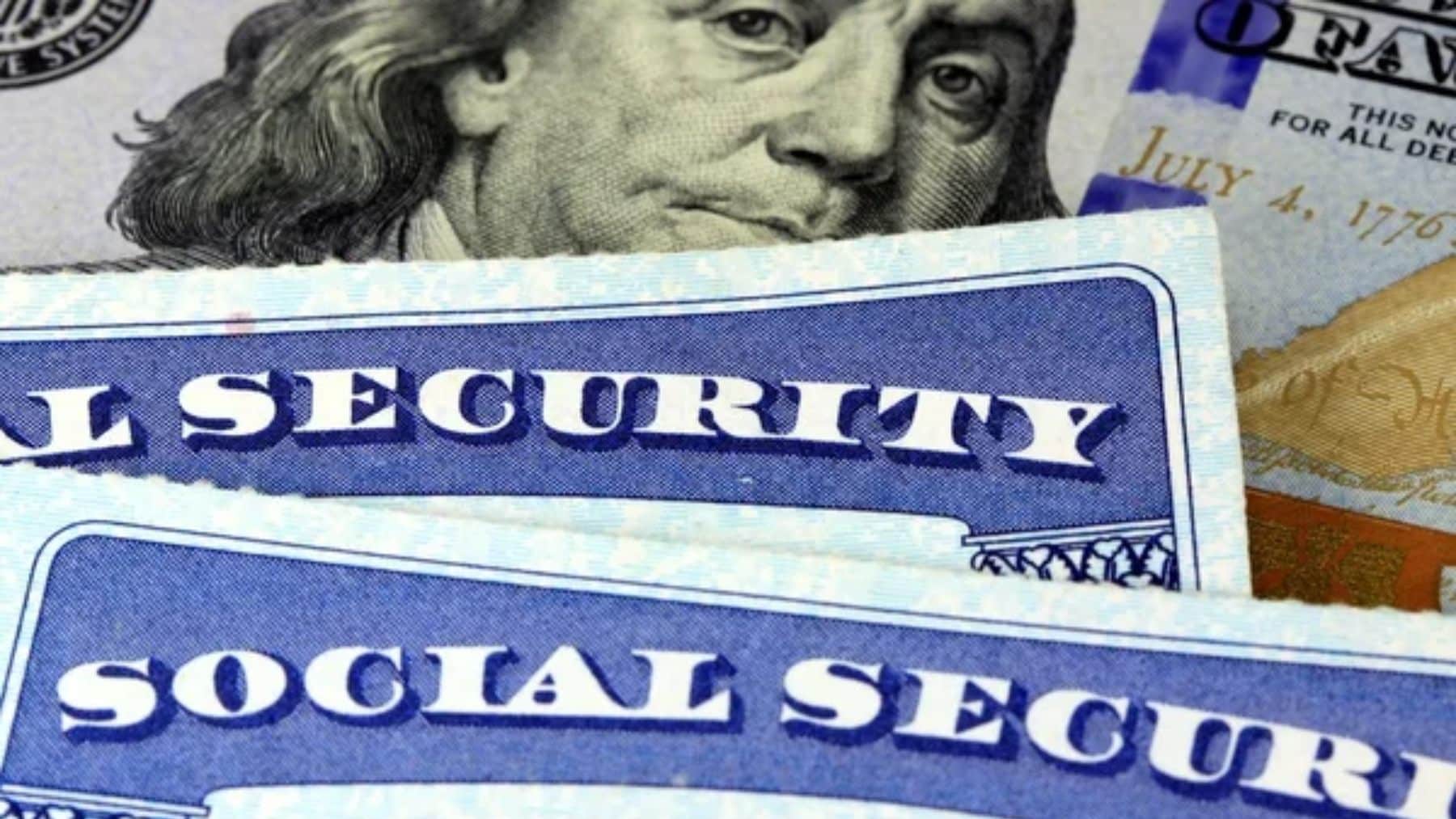
The Social Security Administration has recently started taking back overpayments paid out to Social Security recipients. However, this policy may put recipients into an increased vulnerable state. This “clawback” of payments is part of the federal government’s broader plan to decrease unnecessary spending through the assistance of an external agency, the Department of Government Efficiency (DOGE), headed by Tesla CEO Elon Musk. The Administration started recovering the funds at the end of March.
DOGE intends to cut back on unnecessary federal spending
With the Trump Administration taking office in the White House for President Donald Trump’s second, non-consecutive term, the Administration has brought on DOGE to reduce unnecessary spending within the government. With an ambitious goal of saving on $2 trillion worth of federal spending, the agency has been making both budget and workforce cuts across governmental departments.
Recently, DOGE has been suggesting and implementing reforms to the Social Security Administration. The agency has closed multiple field offices across the nation and implemented widespread job cuts. This has reportedly made it more difficult for beneficiaries to contact the Administration, according to Dan Adcock, director of government relations and policy for the National Committee to Preserve Social Security and Medicare.
Overpayment policy targets this group
Starting on March 27, the Social Security Administration started implementing its overpayment policy as part of DOGE’s government spending initiatives. The program will begin taking back 100% of beneficiaries’ monthly payments until the overpayment has been paid back in its entirety. Previously, the Administration planned on only claiming back 10% from monthly payments.
According to SSA Acting Commissioner Lee Dudek, the Social Security overpayments policy regarding the 100% clawback rate is the best way forward to recover overpaid funds to beneficiaries. However, many advocates have noted that this leaves beneficiaries in an incredibly vulnerable position. Many beneficiaries rely on their monthly payments solely to cover their living expenses, and this new policy could be detrimental to them.
“If an overpayment is being made, that means the Social Security Administration is withholding 100% of their payment for however long it takes to repay the agency — and they are without money to pay for food,” says Adcock.
Can you avoid being part of the overpayment program?
Generally, an overpayment is the fault of the Social Security Administration. Due to this, you may not be aware that you are actually being paid more than what you are entitled to. A 2022 report found that 73,000 of the overpayments that were made that year were due to a lack of “effective controls over benefit-computation accuracy,” according to the report.
While most of the overpayments are on account of the agency, to make sure that you are not getting paid more than what you are owed, you must be consistently updating the Administration on changes to your income. This is especially true for Disability and Supplementary Security income recipients, where your payments change depending on your income level.
“We urge beneficiaries to keep a close eye on their benefits going forward,” said Shannon Benton, executive director of The Senior Citizens League, an advocacy group for older Americans. “If they notice any unscheduled changes to their benefits, they should contact Social Security immediately.”
In addition to the new overpayment policy, Social Security is set to undertake a massive reform in terms of extending the longevity of the fund. By the early 2030s, the Retirement fund is set to be depleted. This means that future beneficiaries’ payments will be reduced. To address this, two strategies have been identified as the best way forward to extend the longevity of the fund: Either decreasing beneficiaries’ monthly payments now or increasing the taxes of the Social Security program.