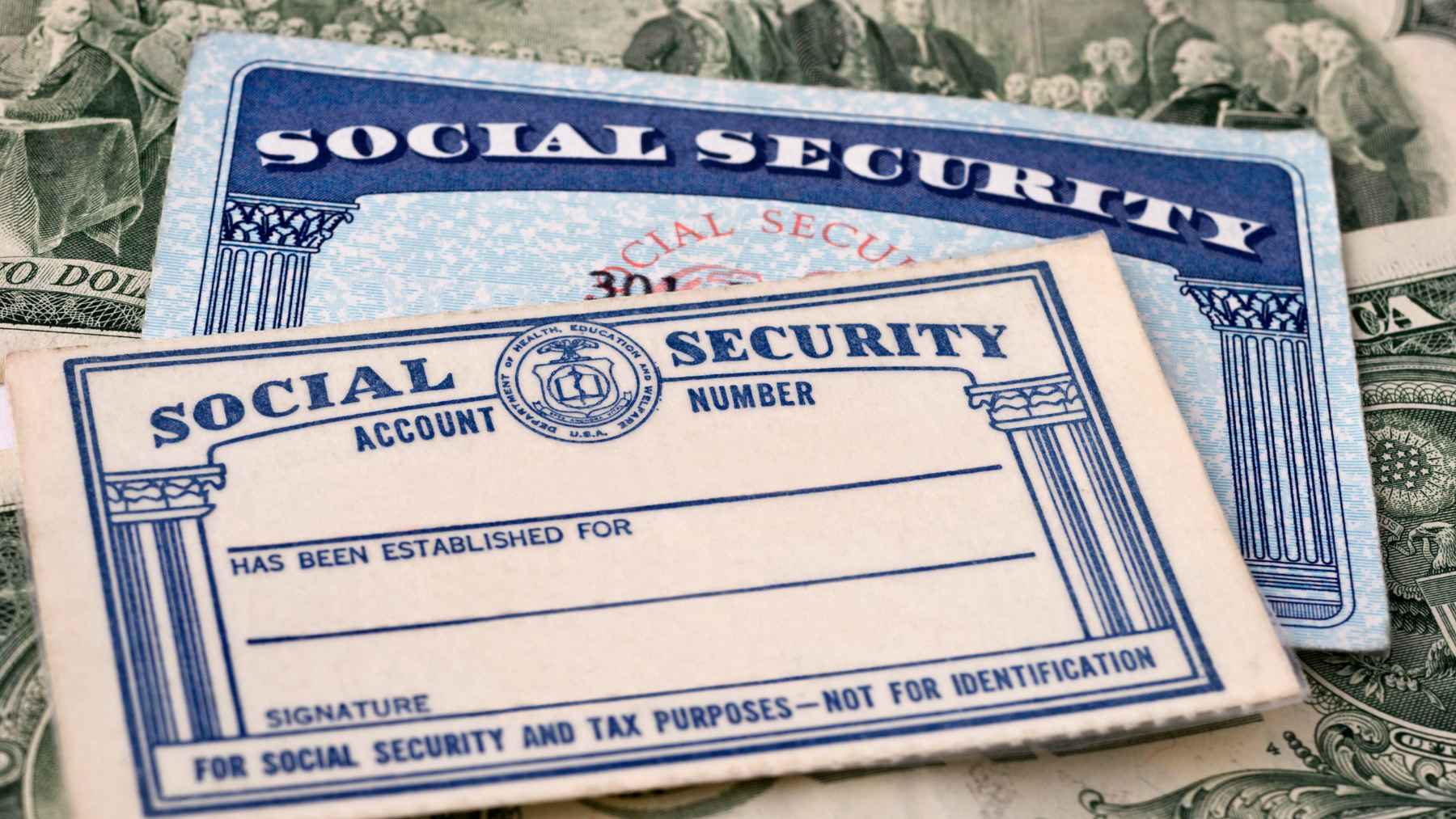
While many Americans view 65 as the traditional retirement age, the “full retirement age” (FRA) for Social Security is already higher—and it’s set to increase again in 2025. The FRA is the age at which workers can begin claiming their full Social Security benefits, and it’s influenced by factors such as the number of years worked and lifetime earnings. As the full retirement age continues to rise, workers will need to plan accordingly to ensure they are financially prepared for retirement. This upcoming change is an important consideration for anyone approaching retirement, as it will impact when they can access their full Social Security benefits.
Why 65 is still seen as the benchmark for retirement
Up until 1983, 65 was the standard retirement age and was considered the full retirement age when you could claim the maximum payments from your Social Security benefits. However, this was changed in 1983 when Congress decided to raise the FRA threshold to account for a population which was living longer. This change has been slowly implemented ever since so as to not drastically affect seniors immediately at the time.
This process has been implemented by gradually increasing the FRA by two months, depending on a person’s birth year. For example, individuals born in 1957 reached their FRA at 66 years and 6 months old, starting in 2023, while those born in 1958 will have to wait until they turn 66 years and 8 months old to qualify for full benefits, beginning in September 2024. The FRA will continue to rise by two months for people born in 1959, reaching 66 years and 10 months, with the higher FRA taking effect in 2025. Those born in 1959 will start qualifying for full benefits in November 2025.
2025 marks an important year for the FRA
The rise in the FRA for those born in 1959 next year in 2025 marks the second-to-last adjustment, with the final increase set for individuals born in 1960 or later. For these workers, the FRA will reach 67, meaning that someone born in January 1960 won’t be able to claim full retirement benefits until January 2027. This change will primarily affect the youngest baby boomers and Generation X, which includes those born between 1965 and 1980.
A study by the ALI Retirement Income Institute predicts that one in three members of this generation will rely on Social Security for at least 90% of their retirement income by the time they are 70 years old. While you can always claim benefits earlier, starting at 62, many individuals may delay their claims for as long as possible until the reach the FRA so has to maximize the payments they receive each month.