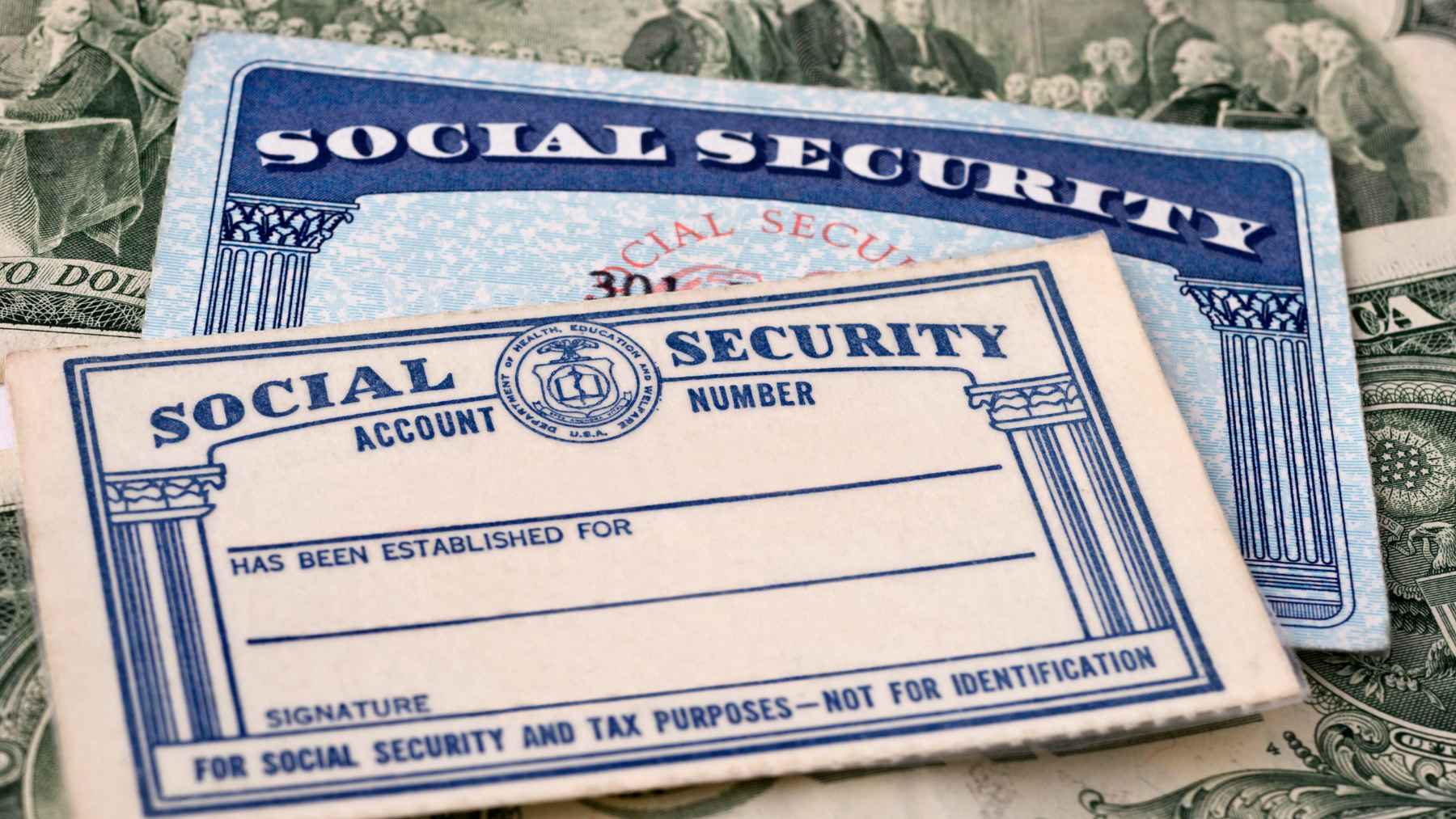
Social Security is a foundational cornerstone to American governmental programs. It assists millions of Americans each year, ensuring that vulnerable groups and populations remain out of destitution. Changing Social Security legislation can be an intimidating process to many recipients, as these payments often act as a lifeline for beneficiaries. This year, President Donald Trump is expected to make changes to the Social Security program which could have long-term consequences and effects on the health of the fund.
Social Security remains a lifeline for beneficiaries
Nearly 70 million Americans benefit from Social Security. Of this cohort, the majority receive payments from the retirement fund. In 2025, 52 million retirees received an average monthly Social Security payment of almost $2,000. Almost all of these recipients rely heavily on these payments to cover their necessary monthly expenses. While the Social Security Administration strongly suggests to retirees that they need other form of income outside of their Social Security benefits, the reality is that this is the only form of income for the majority of beneficiaries.
While Social Security is often thought to form the backbone of the retirement support system, the program is reaching a critical danger zone. By 2033, the fund is expected to be completely depleted unless officials act swiftly. While making changes to the Social Security fund is a contentious subject, it is more essential than ever that lawmakers begin forming a plan on how to increase the longevity of the fund.
What is important to emphasize here is that the fund is not in danger of being bankrupt. The Old-Age and Survivors Insurance Trust Fund (OASI) is funded by taxes paid into the fund year year by current working employees. What it does mean, is that the fund’s estimated income expected from these payments is not enough to cover outlays, such as benefits and, to a far lesser extent, administrative expenses to run the Social Security program. This means that by 2033, benefits will be cut by 21%.
Trump’s plans to cut taxes for Social Security
As it stands, plans to extend the longevity of the Social Security fund fall into two camps: increase Social Security taxes, or cut benefits now. While neither option is particularly popular, they provide the most streamlined process in increasing the fund’s longevity and ensuring that it does not become insolvent. However, Trump’s plans for the Social Security fund may complicate this.
Trump has previously stated on his social media platform Truth Social that he believes “Seniors should not pay tax on Social Security.” He has also reiterated this opinion in a Fox & Friends interview. Social Security payments have not always been taxed. In 1983, when the fund’s assets became nearly fully depleted, then-President Reagan signed the Social Security Amendments of 1983 into law which increased the payroll tax and full retirement age for workers, and introduced the tax on benefits.
Mixed responses towards taxation of Social Security
The biggest problem beneficiaries have had with the taxation of their benefits is due to the outdated tier system the program operates on. Currently, 50% of Social Security benefits are liable for tax at the federal rate if your provisional income (adjusted gross income + tax-free interest + one-half of benefits) is over $25,000 for single filers and $32,000 for jointly filing couples. Additionally, 85% of benefits are submitted to federal taxation if provisional income is over $34,000 for a single filer or $44,000 for couples filing jointly.
When these tiers were initially introduced, they only effected 10% of beneficiaries. However, due to inflation, more than half of beneficiaries are now subjected to this system. While Trump’s objective to end taxation may stem out of this outdated bill, the problem is that cutting taxes on the benefits would be detrimental for the fund’s longevity. If taxes were cut, it would mean that the fund would become insolvent much sooner than 2033. While changes to Social Security are often met with hesitation, it is important that these discussions are had in congress.