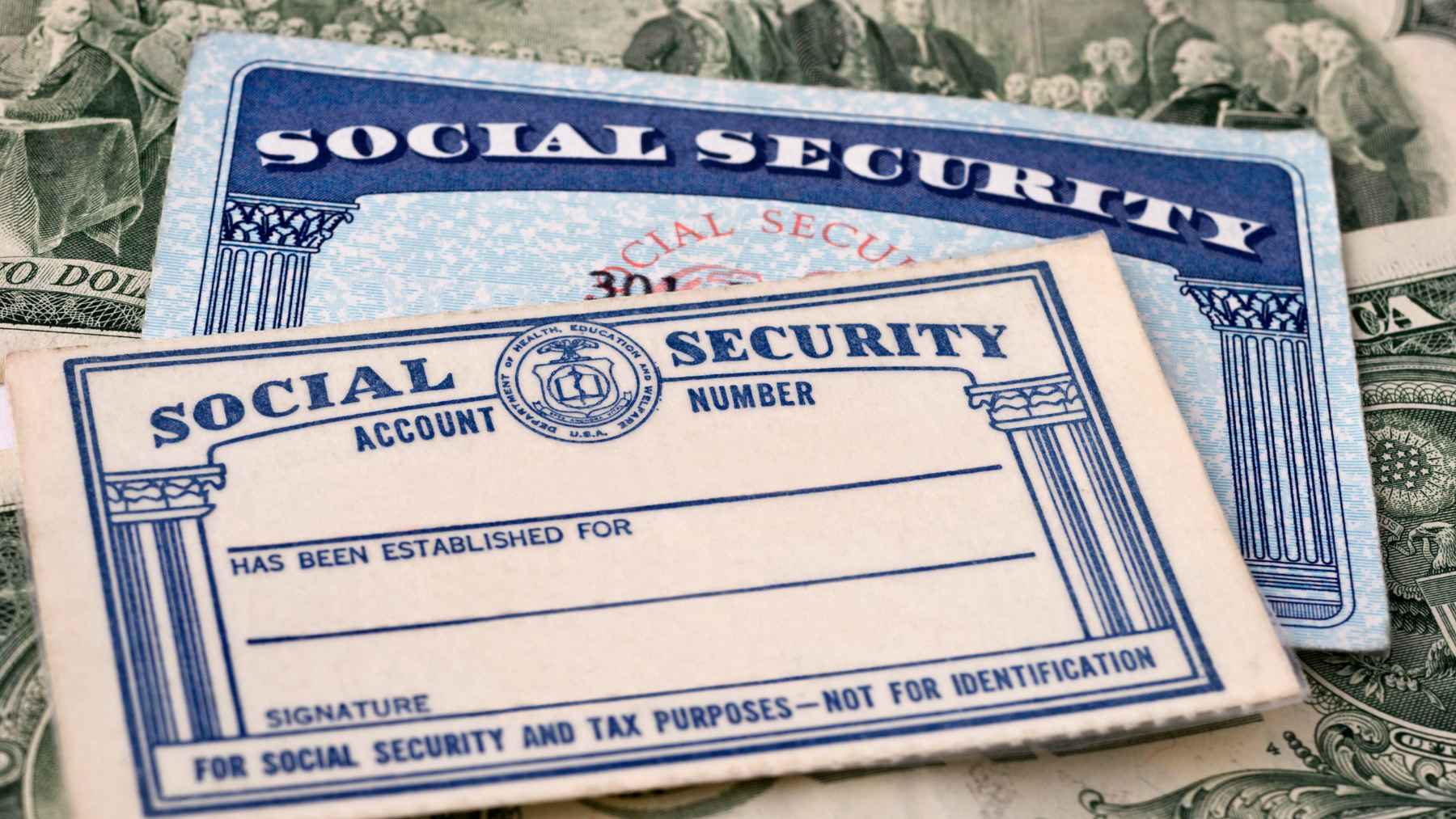
Social Security is currently undergoing many changes this year. Not only is this due to the recent election of President Donald Trump for his second, non-consecutive term, but also because of pressing concerns surrounding the fund’s longevity, as well as because of new legislation regarding benefits coming into practice. One such change is due to the Social Security Fairness Act, which is seeing additional payments being made for certain beneficiaries.
What is the new Social Security Fairness Act?
The new Social Security Fairness Act was signed into law earlier this year in January. The new law is specifically intended to increase Social Security benefits for public service workers. This is because the new act is set to repeal two previous bills: The Windfall Elimination Provision (WEP) and the Government Pension Offset (GPO).
WEP was introduced originally to reduce and adjust the Social Security benefits of people who also receive “noncovered pensions”. A noncovered pension refers to one paid by an employer that did not withhold Social Security taxes from their salary. GPO on the other hand reduced the amount of benefits received by spouses, widows, and widowers who also received their own government pensions.
Because of the new Social Security Fairness Act which now repeals both WEP and GPO, beneficiaries who were affected by these two previous bills can now expect their Social Security payments to be dramatically increased. Benefits will be increased by approximately up to $700 for spouses and $1,190 for surviving spouses from December 2025. By December 2033, payments will have been increased by a projected $860 and $1,520, respectively.
When can you start receiving retroactive payments?
According to the official Social Security statement, retroactive payments which came into place with the passing of the Fairness Act for qualified individuals have already been underway. Nearly 3.2 million beneficiaries were affected by the WEP and GPO bills. As of March 2025, the Social Security Administration has paid over one million beneficiaries more than $7.5 billion in retroactive payments.
“President Trump made it very clear he wanted the Social Security Fairness Act to be implemented as quickly as possible,” said Lee Dudek, Acting Commissioner of Social Security. “We met that challenge head on and are proudly delivering for the American people.”
Retroactive payments will continue to be paid into April 2025. The retroactive payments cover lost income due to the WEP and GPO from December 2023, meaning beneficiaries will be receiving retroactive payments for over a year’s worth of payments. Individuals who are part of the Civil Service Retirement System will be the most affected by the appeal. These individuals include teachers, firefighters, police officers, and other civil servants.
Who qualifies to receive the SSA retroactive payments?
There is no need for beneficiaries to apply to receive the retroactive payments. The Social Security Administration will automatically pick up on their system who the retroactive payments should be issued to. If, however, you know that you are a beneficiary who is affected by these payments, the Social Security Administration recommends that you ensure that your current mailing address and direct deposit information is updated.
The canceling of the WEP and GPO led to the payments
The new payments are expected to significantly help individuals who have been affected by the previous GPO and WEP bills. With the cost of living continuously being a concern, the extra income will go a long way, especially considering beneficiaries are retirees who rely heavily on Social Security as their main (and sometimes only) source of income.
However, some lawmakers are concerned about what the new bill will do to the longevity of the retirement fund which is expected to be depleted by the early 2030s. The new retroactive payments will most definitely put increased strain on the fund, depleting it sooner than when experts expect.