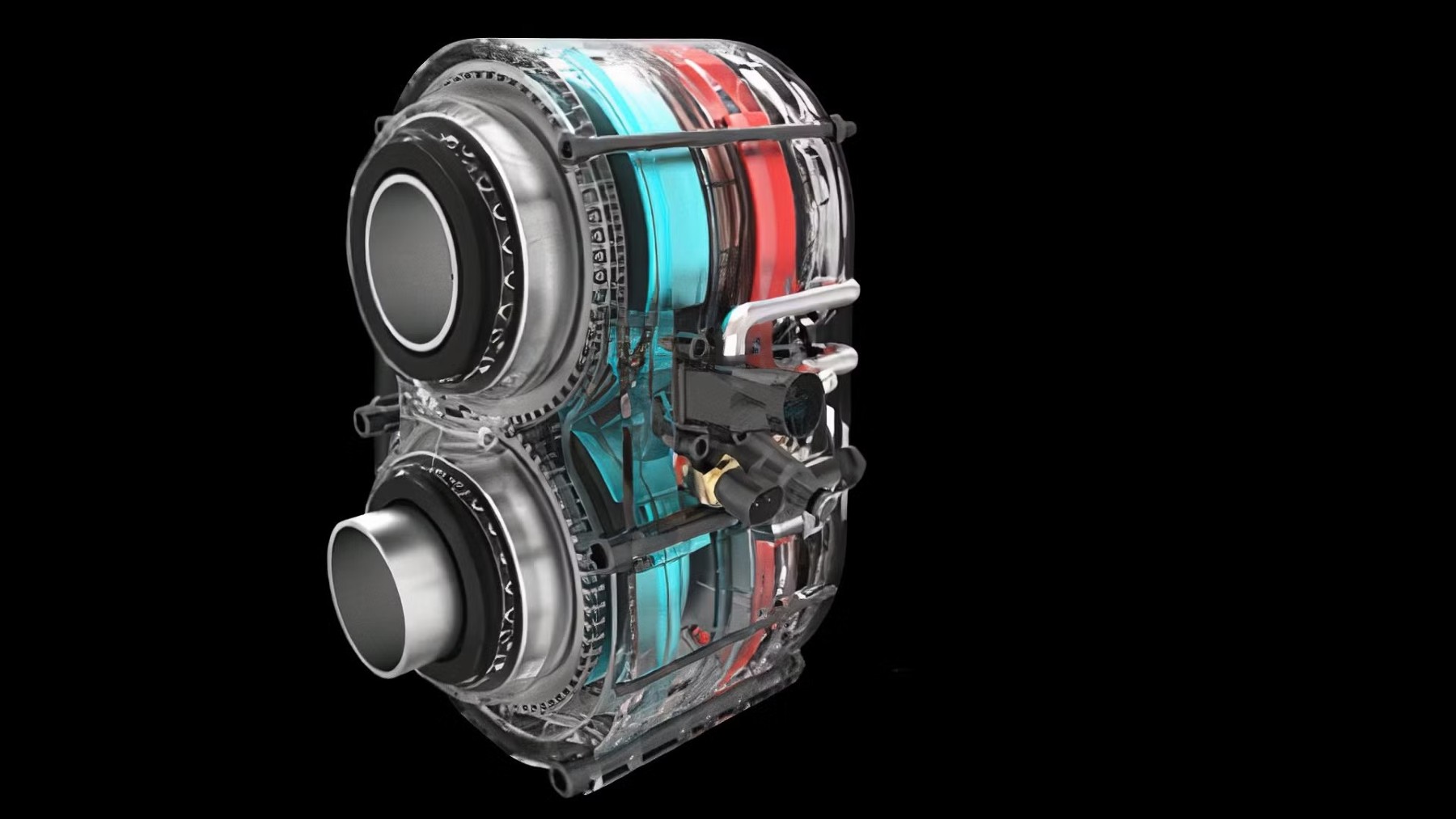
The automobile industry’s pursuit of hydrogen engines reflects a growing commitment to sustainable transportation and reducing carbon emissions. As concerns over climate change intensify, manufacturers are increasingly investing in hydrogen fuel cell technology which offers a zero-emission alternative to traditional gasoline and diesel engines. The H2 Starfire engine is one such engine by Astron Aerospace which is set to revolutionize the automobile sphere.
Hydrogen engine technology- the future of the automobile industry
As the world continues to advance towards more sustainable fuel source options, hydrogen is an alternative engine solution which is looking more promising each day. Currently, electrical vehicles and plug-in hybrids dominate the alternative energy solution space in the automobile industry however hydrogen is fast on their heels.
As regions and countries are beginning to enforce stricter deadlines and regulations for the transportation industry to produce zero-carbon emissions, hydrogen is an option for automobile companies to expand their green energy portfolios and prevent them placing all their sustainability bets on electrical vehicles. Currently, Toyota is spearheading hydrogen engine developments as well as Honda and Hyundai.
The H2 Starfire showcases significant advances in hydrogen engine technology
Part of what makes the H2 Starfire so revolutionary is not just its hydrogen usage as a fuel source, but its increased efficiency and alternative technology. Unlike a traditional combustion engine, the H2 Starfire has no planetary gears or apex seals. In their place are two counter-rotating shafts with an incredibly tight tolerances. This enhances power delivery, reduces wear, improved balance and stability, and an improved fuel economy with increased efficiency.
The biggest attraction the engine boasts is that Astron Aerospace claims that the engine has a thermal efficiency of 60%. Current internal combustion engines are only 20%-30% thermal efficient. Higher thermal efficiency indicates that a greater portion of the fuel’s energy is being used to power the vehicle rather than being lost as waste heat. This is groundbreaking as it would mean for the same amount of power you would need half the fuel.
Hydrogen technology to be the fuel of the future
While the H2 Starfire was only released late this year and thus we have yet to see it being picked up by automobile producers, it highlights how futuristic innovation is being seen across the board as the automobile industry increases their efforts to go green. What makes hydrogen such an attractive green energy solution is that its only by-product is water.
It is important to note however, that hydrogen technology is only as green as the source you use to produce it is. A significant portion of hydrogen in use today is produced from fossil fuel. This means the technology is still not sustainable. To ensure hydrogen technology keeps its sustainable integrity, it must be produced from renewable energy sources. Pure hydrogen would also be a sustainable solution, however this is hard to capture.
it is important that fossil fuels are eventually phased out and renewable sources are used instead. Sustainable engine options like the H2 Starfire are no use if the hydrogen used to fuel the engine is not from renewable energy. This is a criticism that some have had with regards to electric vehicles. While electric vehicles and hybrids have largely been marketed as sustainable, the batteries used in the vehicles still use lithium which involves unsustainable mining as well as the fact that hybrids plugged in at your home use electricity which is still largely produced from fossil fuels like coal. However, they are still better alternatives than internal combustion engines.
The H2 Starfire is a reassuring sign that industry professionals are using their skills to develop sustainable technology to ensure that the world meets their sustainability goals in the next decade.