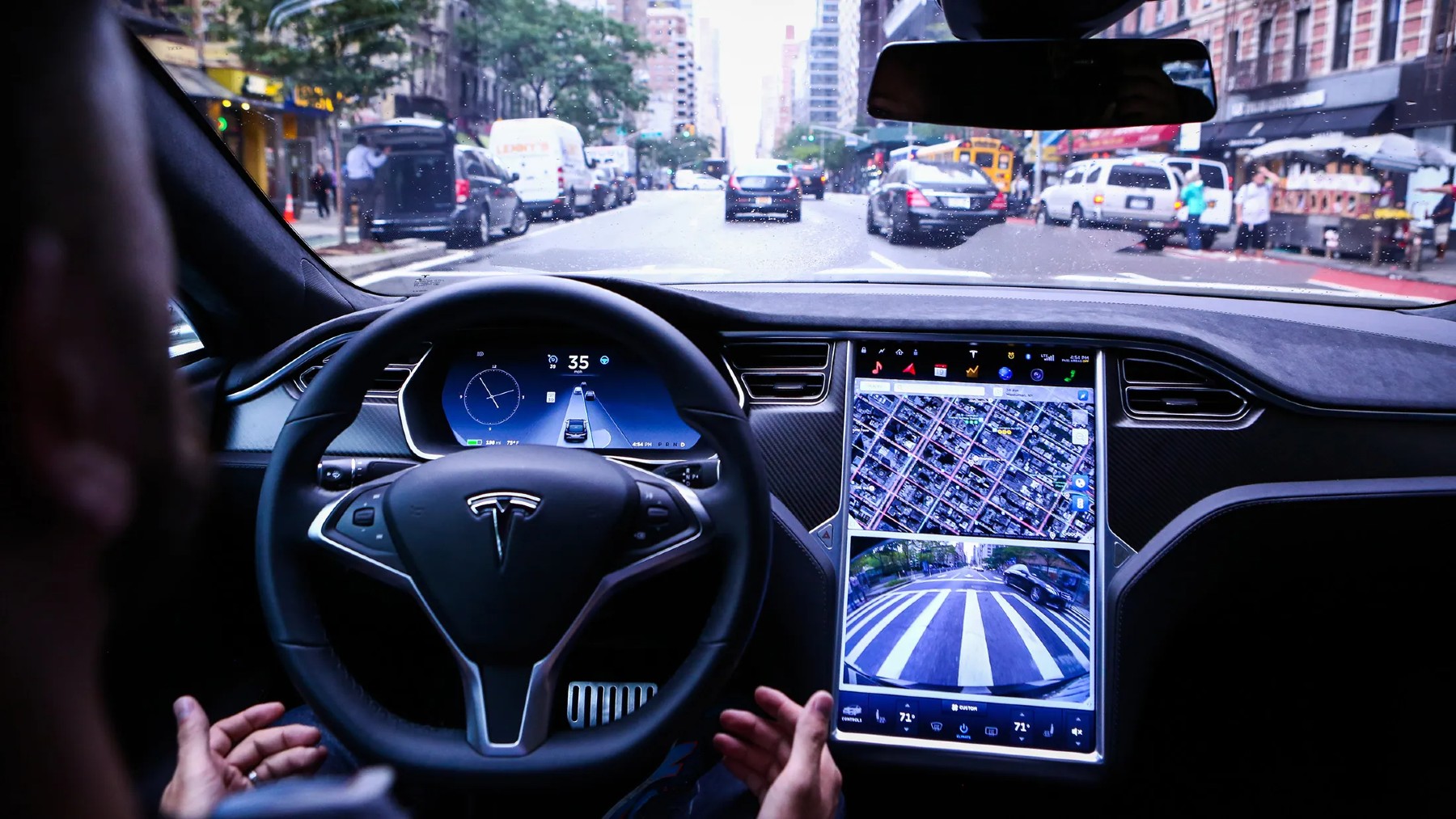
Tesla’s Autopilot system is facing increasing scrutiny, with the company potentially on the brink of multiple lawsuits for false advertising. Critics argue that Tesla has overstated the capabilities of its self-driving technology, leading consumers to believe the system is more advanced than it actually is. The controversy intensified after a series of high-profile accidents involving vehicles operating under Autopilot, raising concerns about the safety and reliability of the system.
Tesla’s Autopilot: Musk’s vision since 2016
Tesla’s Autopilot is a key component of Elon Musk’s vision for revolutionizing transportation through autonomous driving technology. Initially introduced as an advanced driver-assistance system, Autopilot allows Tesla vehicles to steer, accelerate, and brake automatically within certain conditions. Musk has long championed the idea of self-driving cars, believing that full autonomy will not only improve safety but also transform the way people travel.
Tesla’s Autopilot has been continuously upgraded through over-the-air software updates with the ultimate goal of achieving fully autonomous driving capabilities. While the system has generated significant attention and progress, it remains a work in progress as it faces both technical challenges and regulatory hurdles as it moves closer to realizing Musk’s ambitious vision of a fully autonomous future.
Autopilot under increased scrutiny
A lawsuit filed last week by a man from the Portland area claims that a Tesla, operating in self-driving mode, ran through a stop sign in Clackamas County and collided with his car in a T-bone crash. This marks one of the first lawsuits of its kind in Oregon, accusing Tesla’s automated technology of endangering lives. Michael Ward alleges that he sustained fractures to his face, teeth, and spine when Ngoc Phuong Anh Dinh’s Tesla struck the passenger side of his vehicle at the intersection of Oregon 212 and Southeast Sunnyside Road. According to the lawsuit, Ward had the right-of-way and was driving with the flow of traffic. He is seeking $745,000 in damages.
The lawsuit does not name Tesla as a defendant, but the controversy surrounding the company’s Autopilot system continues to grow. Tesla maintains that drivers using Autopilot or the more advanced Full Self-Driving mode must keep their attention on the road and their hands on the steering wheel. Autopilot (which comes standard in new Teslas) allows the car to steer itself on well-marked roads, while Full Self-Driving mode (which is an optional upgrade) enables the vehicle to steer, accelerate, and brake on a wider range of roads.
However, stories like this lawsuit, which only names driver Ngoc Phuong Anh Dinh as the defendant, have raised concerns about the safety of Tesla’s technology. The lawsuit claims Dinh was at least partly responsible for “unreasonably relying upon autonomous vehicle technology,” highlighting the increasing skepticism and legal scrutiny surrounding Tesla’s driver-assistance systems.
Stricter regulations for self-driving technology?
The National Highway Traffic Safety Administration is currently investigating four crashes involving Tesla’s Full Self-Driving feature, with at least two fatalities linked to vehicles operating in this mode. One of these incidents involved the death of a 28-year-old motorcyclist from the Seattle area who was struck by a Model S in April while the driver reportedly was distracted by his cellphone.
In addition to its scrutiny of Full Self-Driving, the federal agency is also investigating crashes and at least eight deaths across the country linked to Autopilot being used on roads where it should not have been activated, according to a 2023 Washington Post investigation.
Tesla’s Autopilot and Full Self-Driving features have sparked significant debate and legal scrutiny as the company continues to push the boundaries of autonomous driving technology. While Tesla maintains that drivers must remain attentive and keep their hands on the wheel, increasing reports of accidents and fatalities involving these systems have raised concerns about their safety and reliability.