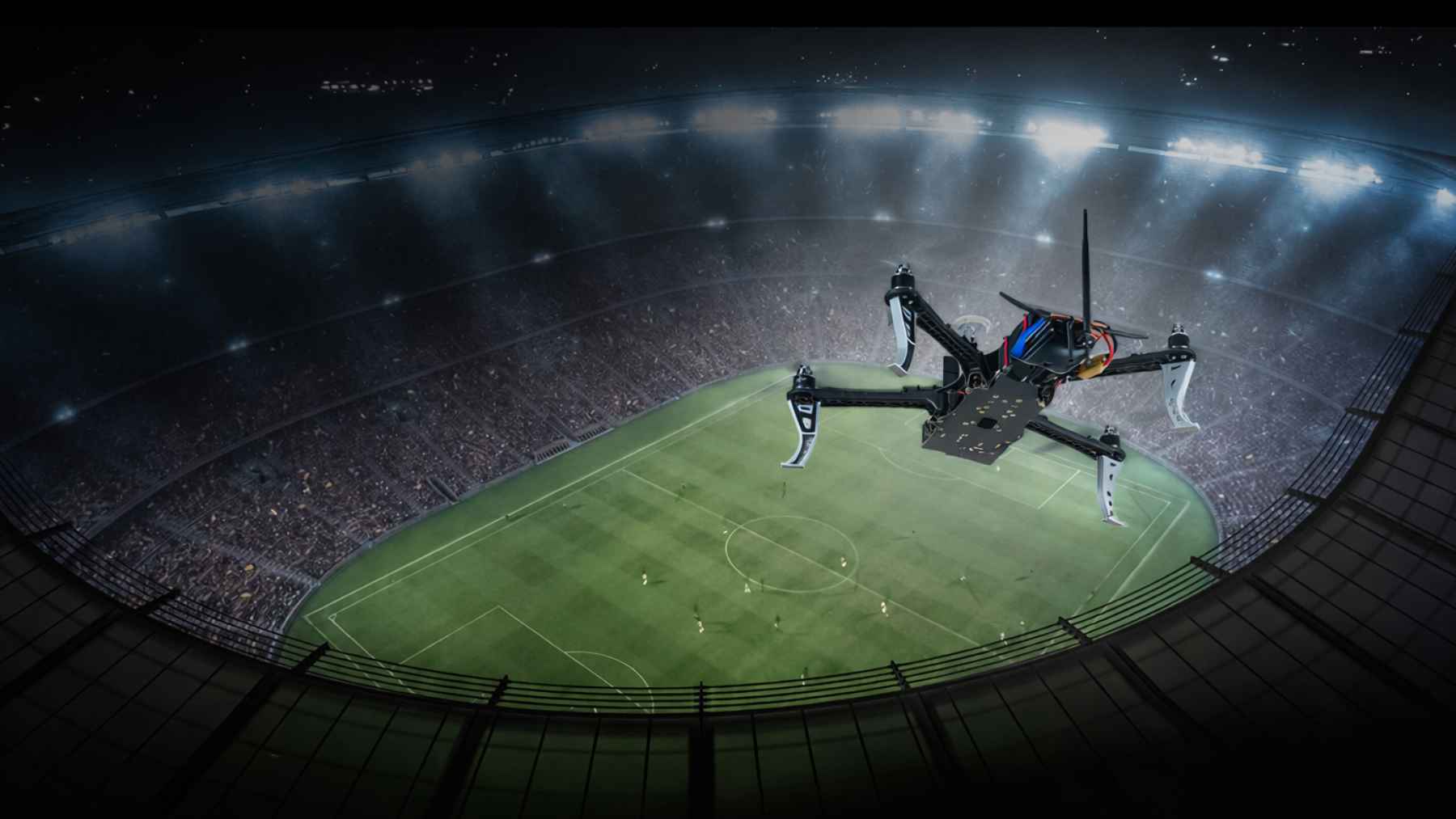
What most fans will see are long lines at security and the usual noise outside the gates, but what officials are watching is the sky. The United States is moving fast to build an anti-drone shield ahead of the 2026 FIFA World Cup and the celebrations for the country’s 250th anniversary.
DHS has created a new office focused on drones and counter-drone systems, and the department says a $115 million investment is close to being finalized for those missions.
But what exactly is this “anti-drone technology”? Official federal documents suggest it is not one device or one secret weapon. It is a layered package of tools meant to detect, track, identify, and in some cases stop suspicious drones before they can get near stadiums, crowds, or critical infrastructure.
A new office built for a fast-moving threat
DHS announced in January that it had launched a Program Executive Office for Unmanned Aircraft Systems and Counter-Unmanned Aircraft Systems, a unit designed to speed up procurement and deployment across the department.
Secretary Kristi Noem said drones represent “the new frontier of American air superiority,” and the agency said the office would help deal with hostile drones while also supporting beneficial drone uses.
That timing is not accidental. DHS said again on January 20 that the office had already begun work and would soon finalize the $115 million package for America250 and FIFA 2026. On the state and local side, FEMA had already awarded $250 million, calling it the fastest non-disaster award the agency had ever executed.
What the anti-drone package actually includes
So what is the government really buying? The grant paperwork shows a whole menu of counter-UAS tools. Officials describe the mission in stages that include detection, identification, monitoring, tracking, and mitigation, and the approved equipment list ranges from radar systems and electro-optical or infrared cameras to passive acoustic systems that can help spot a drone many fans would never even hear above stadium noise.
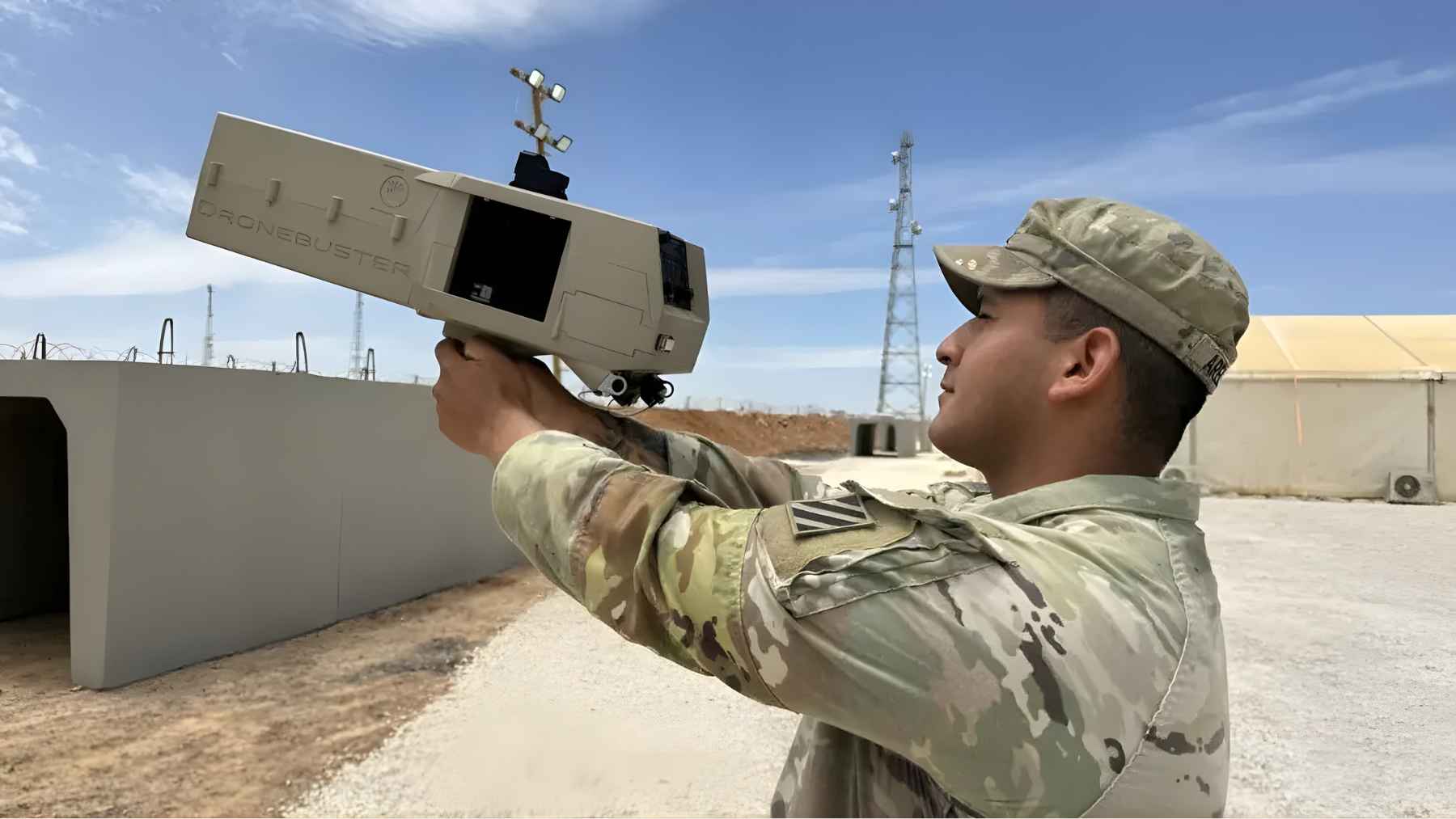
The list goes further. It includes remote ID receivers, GPS-based tracking systems, ADS-B receivers, Wi-Fi and Bluetooth receiver radios, AI-based video analytics, RF signal triangulation, and geolocation tools. For some jurisdictions, the mitigation options can also include jammers, spoofers, net systems, and interceptor drones, which shows this is less a single gadget than a layered sky security network.
Why FIFA 2026 is driving the urgency
The World Cup is a big reason officials are moving now. FIFA says the 2026 tournament will feature 48 teams and 104 matches across 16 host cities in Canada, Mexico, and the United States. That is a huge footprint to secure, not just inside stadiums but also around fan zones, transit hubs, hotels, and the packed areas outside where people gather before kickoff.
FEMA’s own funding map shows how the risk is being sorted. The agency says the FIFA and America250 events prioritized in this round are all rated Special Event Assessment Rating 1 or 2, which helps explain the rush.
Texas, Florida, the National Capital Region, New York, and New Jersey are in Tier 1, while California, Georgia, Missouri, Kansas, Massachusetts, Washington, and Pennsylvania are in Tier 2, and each is set to receive a minimum allocation of $3.325 million before larger competitive awards are distributed.
What fans are likely to notice and what they will not
For most people, this security buildout will be almost invisible. The average fan stuck in traffic or waiting in a bag check line will not see a remote ID receiver or an RF sensor on a nearby rooftop. In practical terms, the government is trying to build an airspace buffer around mega-events before the crowds arrive.
There is also some uncertainty, and that matters, because the federal announcements describe the funding and the mission but do not offer a public list of the exact systems DHS plans to buy for the $115 million investment, at least based on the material released so far.
For now, the clearest takeaway is that Washington is treating small drones less like a hobby problem and more like a real security challenge tied to some of the biggest gatherings on the 2026 calendar.
The official statement was published on the DHS’s website.