Homeowners worrying about cracks in their patios and walkers staring a trivers clogged with weeds may soon get help from tiny, unexpected allies.
Government scientists in Britain are releasing insects and fungi to attack some of the country’s most troublesome invasive plants.
The effort targets Japanese knotweed, floating pennywort, and Himalayan balsam, three fast-spreading, non-native species first introduced as ornamentals that now crowd out native plants and damage homes and riverbanks. According to reporting in The Guardian, the work supports a national goal to halve the establishment of new invasive species by 2030.
New allies against invasive plants
Biological control, often shortened to biocontrol, uses living organisms to keep pests and invasive species in check instead of relying only on herbicides or digging them out. In this project, scientists breed highly-specific insects and fungi in laboratories, then release them outdoors at carefully monitored sites.
Olaf Booy, deputy chief non-native species officer at the Animal and Plant Health Agency, says the aim is to let these helpers spread with minimal human input. He explains that once a biocontrol agent is working properly it should “spread naturally across the range” of the invasive plant and steadily bring its population down.
A weevil for floating pennywort
Floating pennywort forms thick mats on rivers and ponds, blocking sunlight, reducing oxygen, and making boating or fishing feel more like pushing through a green carpet than open water.
To tackle it, scientists are releasing the South American weevil Listronotus elongatus, a small beetle whose larvae feed on the plant and have already helped shrink pennywort growth at some British sites.
For people who live near these waterways, success would mean clearer channels, fewer clogged drainage ditches, and healthier conditions for fish and insects. Extensive testing focuses on choosing species that do not attack native plants, so the weevil’s impact stays tightly focused on the invasive weed.
Tiny insects and a rust fungus
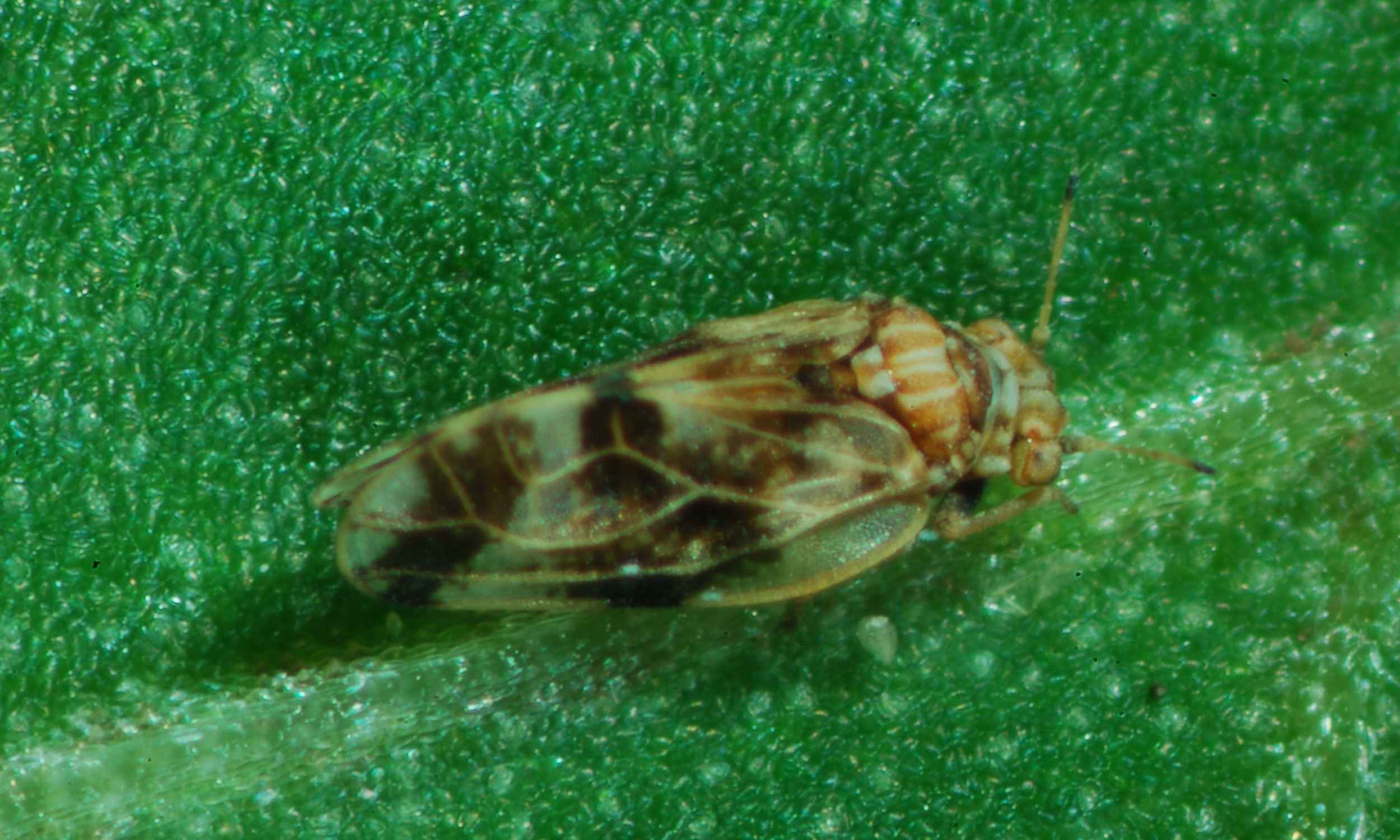
Japanese knotweed is perhaps Britain’s best-known plant invader, notorious for cracking through paving and complicating building work or home sales. Scientists are deploying a sap sucking insect known as a Japanese knotweed psyllid that feeds on this plant and has been chosen because of its narrow appetite.
Himalayan balsam paints riverbanks with tall pink flowers, yet behind the display it crowds out native vegetation and can weaken banks that already face stronger floods in a warming climate.
To rein it in, researchers are trialing a rust fungus called Puccinia komarovii var. glanduliferae, and research in the journal Fungal Biology has shown that the fungus can reduce flower and seed production in British balsam stands, making the plant less dominant over time.
A long game for a hotter future
Biosecurity minister Sue Hayman notes that a hotter, less predictable climate is adding pressure to an already serious problem.
She says officials are “constantly assessing for new risks and threats” and points out that “invasive non-native species cost Britain’s economy nearly £2 billion a year,” so the environmental improvement plan aims to reduce their establishment and protect both wildlife and farmers’ livelihoods.
The government has asked the Animal and Plant Health Agency to cut the establishment of invasive species by half by 2030, a tall order in a busy global trade system where seeds and insects can hitchhike on almost anything.
Biocontrol will not replace early detection, border checks, or community volunteer work, but it adds a powerful tool for species that are already too widespread to remove by hand. In a decade or two, will people notice less knotweed in backyards and fewer choking mats of pennywort on local canals?
The main official plan behind this initiative was published on the UK government’s Environmental Improvement Plan 2025 site.