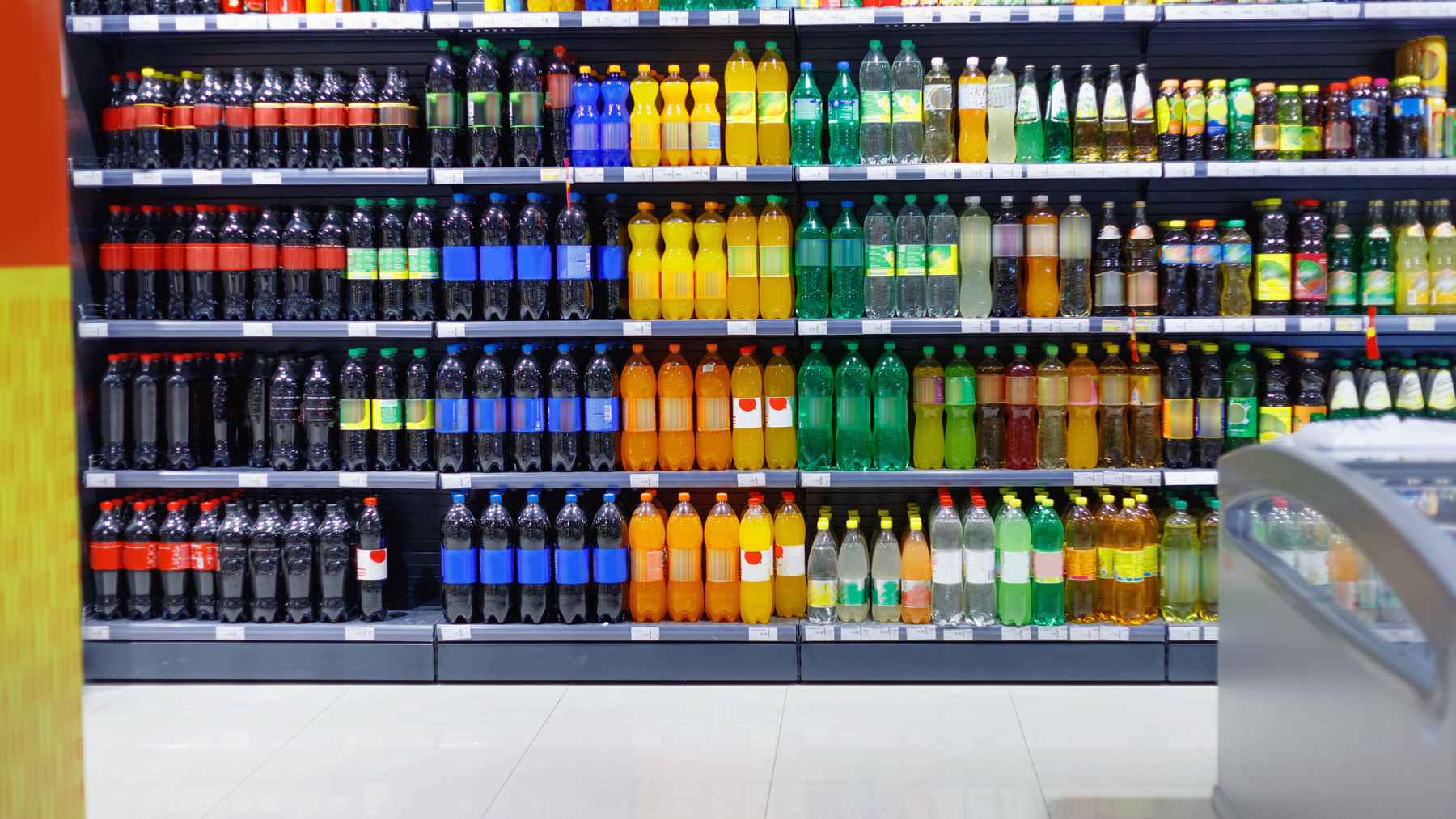
If you reach for sugar-free soda, keto snacks, or “no added sugar” ice cream to feel kinder to your heart, a new study may give you pause. Scientists in Colorado report that erythritol, a popular zero-calorie sweetener, can disrupt key functions in the cells that line blood vessels in the brain.
Their lab experiments suggest a pattern that, in the real world, could make ischemic stroke more likely, especially in people who already live with cardiovascular risks.
It is not proof that a can of diet soda causes a stroke. The work was done in dishes of human brain endothelial cells, not in people. Still, it adds an important mechanistic piece to a growing puzzle around artificial sweeteners and vascular health.
So what exactly did the researchers see?
What the new study actually tested
The team grew human cerebral microvascular endothelial cells, the type that forms the inner lining of brain blood vessels and helps maintain the blood-brain barrier. They then bathed these cells in a solution containing erythritol at a concentration similar to what you would reach in your bloodstream after consuming about 30 grams of the sweetener, roughly the amount in a standard artificially sweetened drink.
After a short continuous exposure, the cells showed clear signs of stress. Reactive oxygen species, often called free radicals, rose by roughly 75% compared with untreated cells. Antioxidant enzymes such as superoxide dismutase and catalase increased too, which looks like the cells trying to defend themselves against that oxidative hit.
Next, the team looked at two opposing molecules that help control vessel diameter. Nitric oxide is a gas that relaxes blood vessels. Endothelin 1 is a peptide that tightens them. Erythritol exposure nudged this balance in the wrong direction. Activation of endothelial nitric oxide synthase dropped and overall nitric oxide output fell by about 20%. At the same time, production of endothelin 1 climbed by around 30%.
The cells also became worse at making tissue-type plasminogen activator, or t PA, in response to thrombin. That protein helps dissolve clots. In untreated cells, thrombin triggered about a quarter more t PA release. In erythritol exposed cells, that response was essentially flat.
In simple terms, the sweetener pushed brain vessel cells toward more oxidative stress, tighter vessels, and weaker clot busting activity.
Why that matters for stroke
Endothelial cells are like the traffic managers of the brain’s circulation. They decide when vessels open up, when they constrict, and how easily blood can slip through the network. When these cells are under chronic oxidative stress and make less nitric oxide while pumping out more endothelin 1, blood flow becomes harder to regulate and clots are more likely to lodge where they should not.
That pattern lines up with what doctors see in ischemic stroke, where a clot blocks a brain artery and starves tissue of oxygen. Reduced t PA release from the endothelium adds another problem. The body’s own ability to clear clots gets weaker, which may worsen damage once a blockage forms.
The authors emphasize that their work was done in vitro. Cells in a dish do not capture digestion, metabolism, or the ups and downs of actual eating patterns. Still, brain endothelial cells are a standard model for studying blood-brain barrier health, and these specific changes have long been linked to higher stroke risk in animal and human studies.
Fitting into the bigger sweetener debate
This is not the first red flag around erythritol. In 2023, a Nature Medicine study that followed more than four thousand adults in the United States and Europe reported that people with higher erythritol levels in their blood had about double the risk of heart attack, stroke, or cardiovascular death over roughly three years of follow up.
A smaller trial later found that a single thirty gram dose of erythritol made platelets more reactive and increased clotting potential in healthy volunteers.
At the policy level, the World Health Organization advised in 2023 that non-sugar sweeteners in general should not be relied on for long-term weight control, citing evidence that they do not clearly improve body fat and may, over time, be linked with higher risks of type 2 diabetes and cardiovascular disease.
Putting all of this together, the new cell study does not stand alone. It helps sketch a plausible pathway from high erythritol exposure to clot formation in vulnerable people, even though it stops short of proving that pathway plays out in everyday life.
What experts say this means for your plate
Lead author Christopher DeSouza notes that the study tested only one dose and one exposure window in the lab and that real-life patterns are more complex. He told reporters that the team cannot yet define a safe upper limit and that “it would be prudent for people to monitor their consumption of non-nutrient sweeteners such as this one.”
Nutritional neuroscientist Amy Reichelt, who was not involved in the work, points out that “the actual physiological impact on human health in everyday dietary contexts remains uncertain,” but adds that people with existing cardiovascular problems may want to moderate their intake.
In practical terms, that might mean checking labels on diet drinks, sugar free yogurts, protein bars, and keto baked goods, then deciding where you can comfortably cut back. It can also mean leaning a bit more on water, unsweetened tea or coffee, and whole fruits when a sweet craving hits, instead of playing ping pong between table sugar and large doses of sugar substitutes.
None of this makes plain sugar a health hero. High added sugar consumption still raises the risk of obesity, type 2 diabetes, and heart disease.
What the new erythritol findings really underline is a broader message. For most people, dialing down the overall sweetness of the diet, from any source, is likely a safer long-term bet than simply swapping one very sweet ingredient for another.
The study was published in the Journal of Applied Physiology.