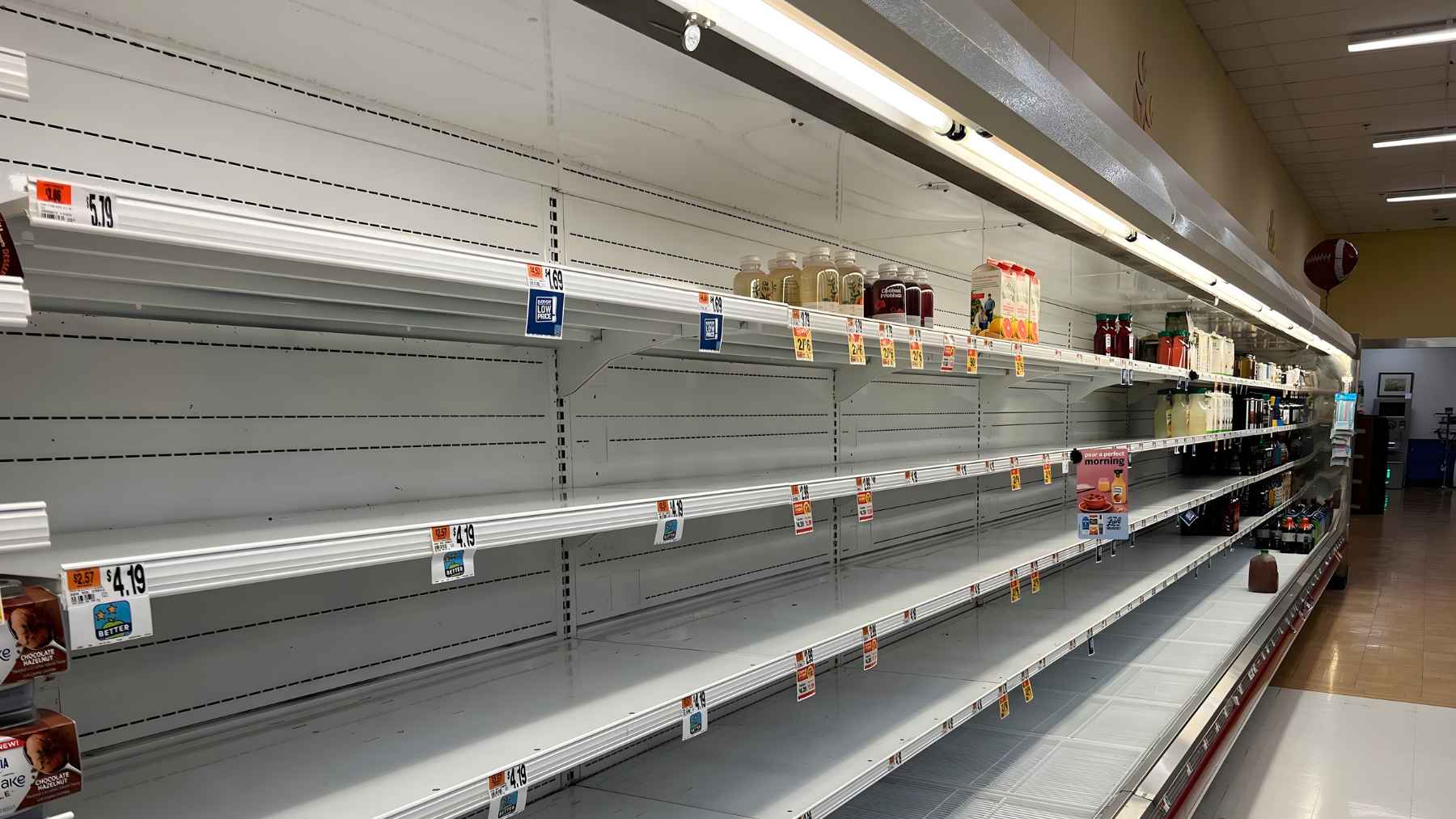
In the Cincinnati neighborhood of Avondale, the shelves of its only full-service grocery store have started to look bare again. For residents who fought for years to end their food desert, it feels like a bad dream creeping back in.
The small family run shop in the Avondale Town Center development is struggling to keep products on hand, squeezed by rising food prices linked to extreme weather and by the sheer buying power of national chains.
Avondale food desert grocery store faces empty shelves
Reporters from local station WCPO recently showed images of nearly empty aisles at The Country Meat Co. Marketplace, which opened in early 2025 as Avondale’s first full-service grocery in decades after long community campaigning. Co-owner Chanel Bryant describes running the store as a constant juggling act.
The business does not always meet supplier minimums, does not fit neatly into delivery routes, and cannot negotiate rock-bottom prices the way big retailers can. “We do not have the same buying power our big box competitors have,” she told WCPO, even though the store works hard to keep prices in line with nearby chains.
Food deserts and health impacts of limited access to fresh food
For Avondale, this is not just about convenience or a shorter line at the checkout. Before the grocery opened, many neighbors had to take long bus rides for fresh food or rely on corner stores heavy on snacks and sugary drinks.
The US Department of Agriculture describes food deserts as urban neighborhoods or rural towns without ready access to fresh, healthy, affordable food, where supermarkets are out of easy reach for low-income residents. Research has linked these gaps in access to higher rates of diet-related illness, including obesity and diabetes, in affected communities.
Climate change, crop damage, and rising food prices
On top of that, climate change is quietly leaning on the family store’s balance sheet. Extreme heat, drought, floods, and storms can damage crops and disrupt supply chains, which pushes wholesale prices higher long before food reaches any neighborhood shelf.
Climate analyses now point to weather extremes as a major disruptor of global food prices, with hotter summers projected to add several percentage points to food inflation in coming years. In the United States, all food prices rose more than 23% between 2020 and 2024, outpacing overall inflation and squeezing both grocery budgets and small retailers at the same time.
Food waste in the United States and landfill climate pollution
Yet while one neighborhood store fights to keep its coolers running, a huge share of the national food supply never reaches anyone’s plate. Federal estimates suggest that between 30% and 40% of food in the United States is wasted, much of it at the retail and household level.
That wasted food also represents squandered water, land, and energy and becomes a significant source of climate pollution when it decomposes in landfills, where food waste is the single largest material by weight.
Surplus grocery platforms and discount bins reduce waste
In response to this paradox of scarcity and waste, a growing ecosystem of discount grocers and surplus platforms has emerged. Services like Martie, highlighted in The Cool Down’s coverage of the Avondale story, buy surplus or short-dated inventory that big chains might otherwise discard and resell it at steep discounts.
Some large supermarkets are also expanding markdown bins and “imperfect” sections. For families watching every dollar on the electric bill and at the checkout, these options can feel like a small safety valve.
Why small neighborhood grocers matter for sustainability
Small neighborhood grocers already play a quiet role in cutting waste. Staff often know regular shoppers by name and can adjust orders, trim produce, or turn items that need to move quickly into hot meals or grab-and-go dishes. When stores like Avondale’s only grocery close, communities lose not only fresh food nearby but also a nimble partner in reducing waste and emissions.
That is why local leaders there are urging residents to keep shopping at the market, reminding neighbors that they “begged for that store” and now have to stand behind it if they want it to survive.
At the end of the day, the struggle of one family-run market in a former food desert shows how climate stress, corporate scale, and everyday choices all meet in the grocery aisle.
The official statement was published on USDA Food Loss and Waste.