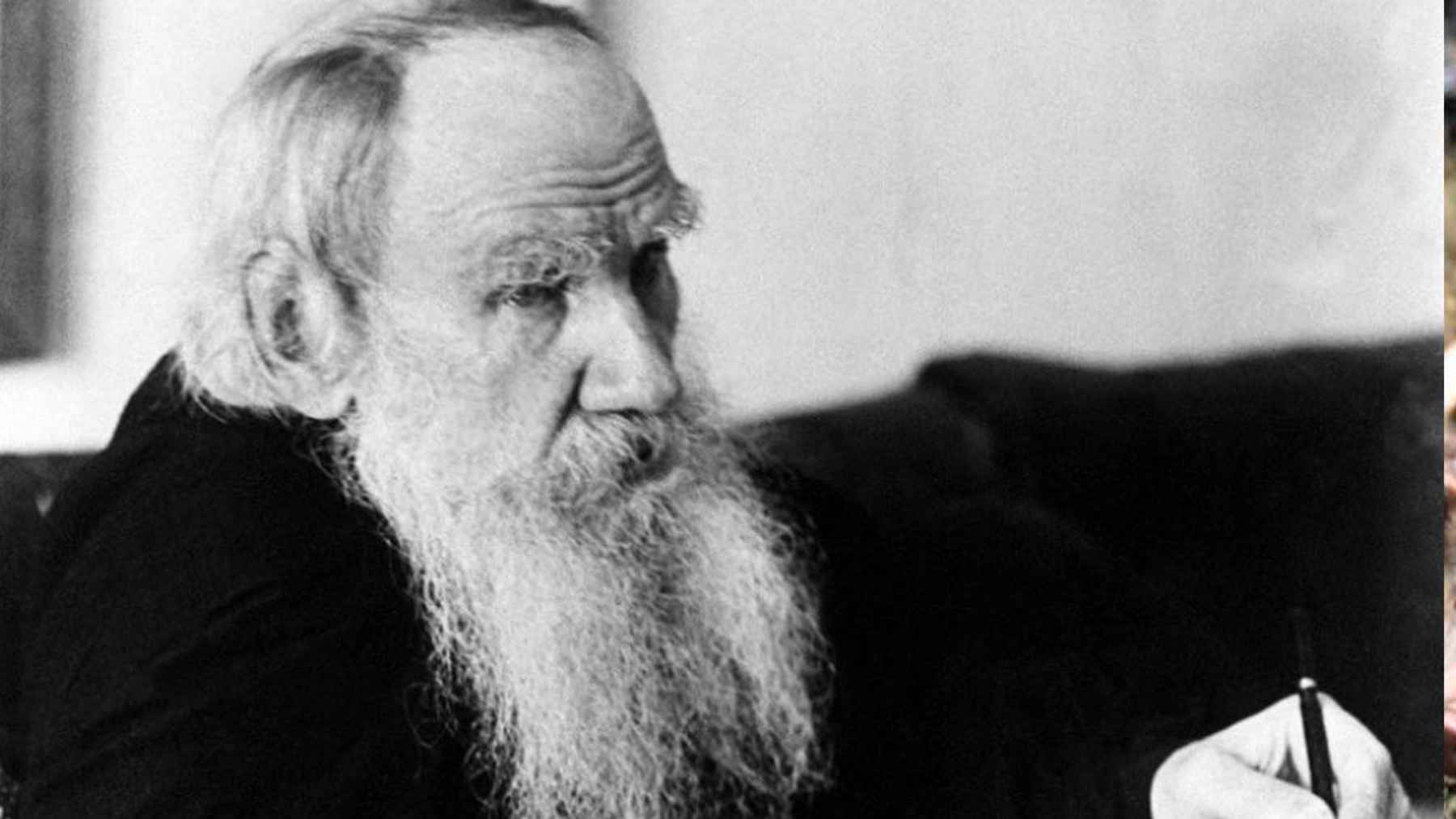
A line often linked to Russian writer Leo Tolstoy says, “The secret of happiness is not to always do what one wants, but to always want what one does.” Can it really be that simple? Not quite. But modern research suggests the idea points to something real.
The World Health Organization says mental health is a state of well-being that helps people cope with life, work well, and contribute to their communities. A 2024 meta-analysis that pooled 16 samples and 108,391 people also found that a stronger sense of purpose was linked to lower subjective stress.
Happiness is not the same as impulse
That is the real strength of the quote. It is not a call to accept burnout or joyless routines. It points to something more grounded. For the most part, lasting satisfaction seems to grow when daily actions line up with personal values, whether that means caring for family, teaching, building, growing food, or simply doing honest work well.
In practical terms, even the commute, the inbox, and the chores can feel different when they belong to a life that makes sense.
Purpose can still feel heavy
Here is the part many motivational slogans leave out. Meaningful work is not always calm work. In a 2024 study of 303 adults, researchers found that people with a stronger overall sense of purpose tended to report less momentary stress across eight days.
But when participants felt more purpose-driven than usual in a given moment, their stress also rose. That sounds familiar, doesn’t it? The things that matter most often come with pressure, deadlines, and that full-brain feeling people know from a packed workday.
What readers should take from it
So no, happiness is not the same as doing whatever we want whenever we want. To a large extent, it may come from building a life that feels worthwhile, then learning to recognize value even in the routine parts. Also, WHO notes that well-being is shaped by social, economic, and environmental conditions and includes a sense of meaning and purpose.
That makes the lesson bigger than self-help. It is about how people live, work, and stay connected to the world around them. Small shift. Big difference.
The study was published in Wiley Online Library.