In a bold but controversial move, Toyota has unveiled its latest hydrogen-powered engine, raising eyebrows across the automotive industry. While the company has long been a pioneer in hybrid technology, this new hydrogen engine has sparked debate about whether it represents a step forward in sustainable transportation or a regression in the push for cleaner alternatives. As the conversation surrounding hydrogen fuel continues to evolve, Toyota’s latest development prompts a closer examination of its implications for the future of green mobility.
Toyota: A legacy of innovation
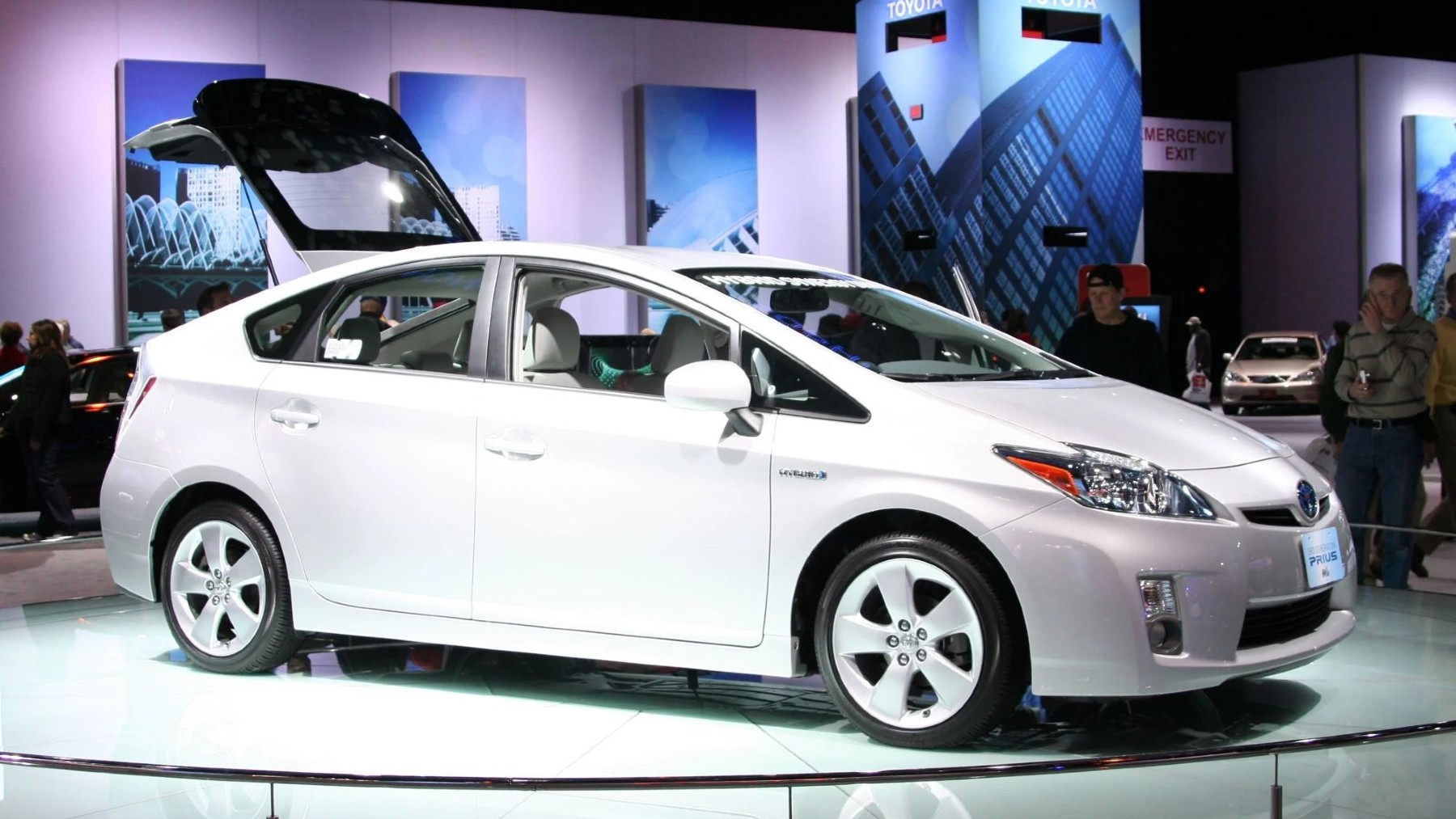
Toyota has built its reputation on innovation, particularly within the hybrid technology sphere. In 1997, the beloved Toyota Prius was the first mass produced hybrid vehicle. With the Prius, Toyota pioneered their Toyota Hybrid System (THS), featuring a battery-powered electric motor that could operate the vehicle separately, or in combination with a fuel-efficient 1.5-litre internal combustion petrol engine.
THS has consistently excelled in its ability to not only offer lower CO2 emissions, improved drivability, and durability but also showcased double the fuel efficiency of conventional cars at the time. The Prius was a game changer for hybrid technology, and paved the way for other manufacturers to follow suit. With the growing emphasis on fully electric vehicles (EVs) as the primary solution to combat climate change, Toyota has been alternatively researching hydrogen as another alternative fuel source to fossil fuel.
New hybrid Prius on the road
This September, Toyota released their new hybrid Prius model. The new Prius platform is the second generation to feature Toyota’s new Toyota New Global Architecture (TNGA) which was first released in 2015. The new Prius has been praised by reviewers being described as “dynamic” and “agile”. Multiple different power modes are featured where you can switch between Charge mode to replenish the battery , EV mode makes the Prius run on electric-only power (for up to 53 miles), hybrid mode to combine the two, Eco mode, and Power mode.
The Prius features a 2.0-litre petrol engine providing 150bhp and an electric motor with 161bhp for a combined output of 223bhp making it over 100bhp more than the old Prius PHEV. With the 223bhp combined output, the new Prius can reach up to 60mph in 6.8 seconds with a top speed of 109mph. At a steady cruise, the Prius is reportedly relatively silent but with some noise under acceleration circumstances.
Why switch to hydrogen with the success of the Prius?
With Toyota’s pioneering history in EV technology and the success of the latest hybrid model, it is something to question why Toyota is turning their focus towards hydrogen instead of going full-speed ahead into fully electric cars. Hydrogen combustion engines promise zero tailpipe emissions, with water vapor being the only byproduct. This aligns with Toyota’s long-standing commitment to sustainability. Yet, critics argue that the emphasis on hydrogen could detract from the more immediate and scalable benefits offered by electric vehicles.
However, the market is currently saturated with EV technology, a fact which has been undoubtably confirmed with Tesla’s announcement to begin pursuing hydrogen engine technology and release a hydrogen powered car by 2026. Supporters of Toyota’s efforts argue that diversifying the fuel options for vehicles is essential in the transition to sustainable transportation. Hydrogen power could play a crucial role in sectors where battery electric vehicles face limitations, such as heavy-duty transportation and longer-range applications.
Toyota’s success in hybrid vehicles but continued pursuit towards hydrogen may showcase a strategic market choice. Toyota knows that their sweet spot is the hybrid range, and instead of trying to compete with fully electric vehicles, getting a foot in the hydrogen market is a win-win situation for all. Toyota remains competitive while technological development is expanded for alternative fuel source technology.