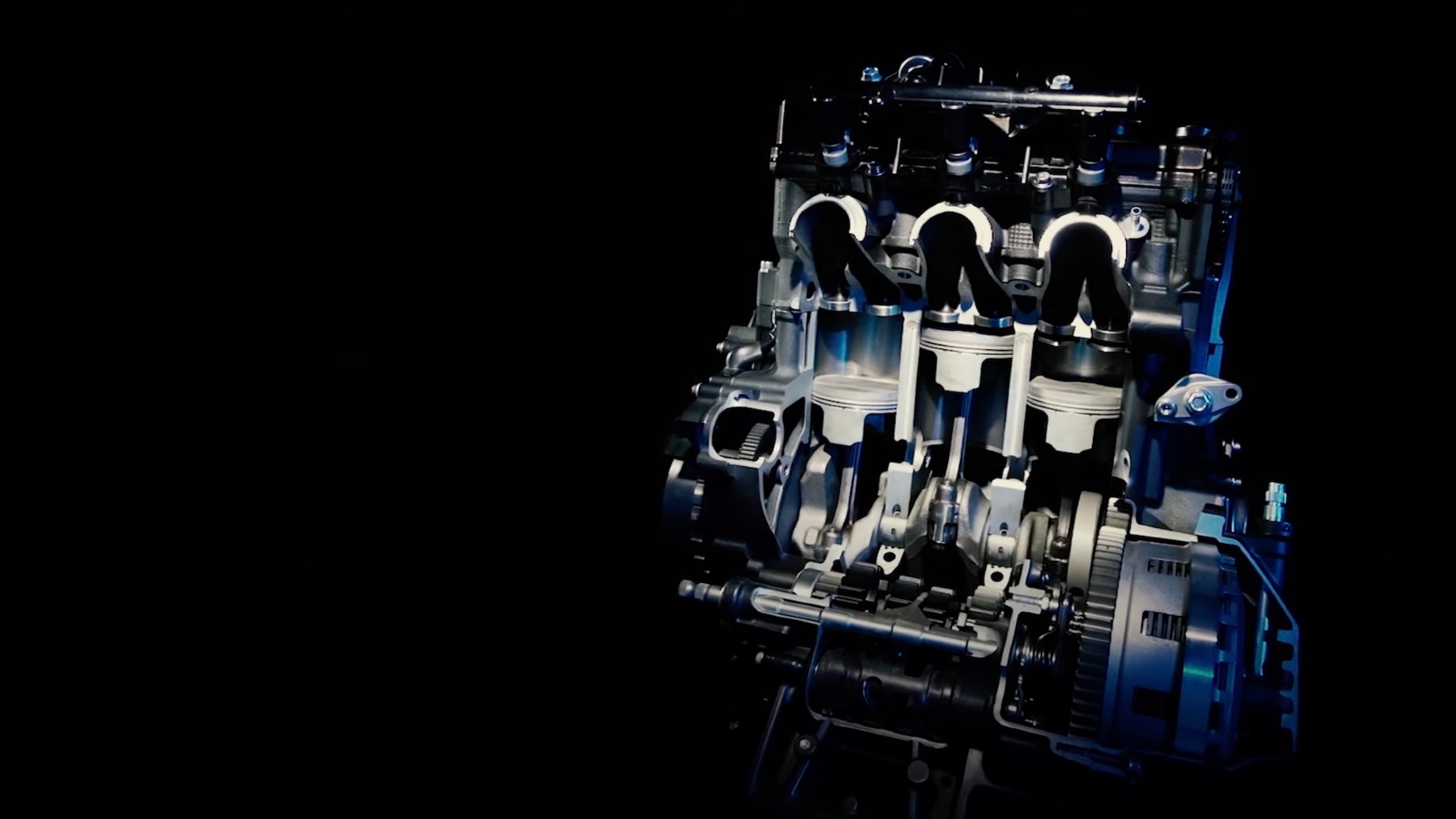
In February of 2024, Yamaha Motor has just unveiled its first hydrogen powered outboard with a prototype fuel system for recreational boats. The project was announced in December 2023 and could broadly be seen as part of Yamaha’s development for Toyota to develop 100% hydrogen fueled engines. The collaboration has been in place since 2022 where Yamaha is working on a hydrogen-fueled 5.0-liter V8 engine for automobiles.
Yamaha is working to achieve carbon neutrality by 2050
While Yamaha remains low to the combustion engine, the company has teamed up with Kawasaki Heavy Industries, Subaru Corporation, Toyota Motor Corporation, and Mazda Motor Corporation to expand fuel options for the signature internal combustion engine while simultaneously working towards carbon neutral goals and green energy commitments.
“Teaming up with companies with different corporate cultures and areas of expertise as well as growing the number of partners we have is how we want to lead the way into the future,’ says Yamaha Motor president Yoshihiro Hidaka. Yamaha and Toyota have had a long standing partnership prior to the agreement. Yamaha recently developed the Lexus LFA 4.8-litre V10 engine for Toyota,
The hydrogen V8 engine has been in the works since 2017.
The engine has many outstanding qualities other than its carbon-neutral component. The engine is modeled of the 5.0-liter engine in the Lexus RC F luxury sport coupe. Mdifications have been incorporated into the design such as to the injectors, cylinder heads, and intake manifold. The engine delivers up to 450 hp at 6,800 rpm and a maximum 540 Nm of torque of at 3,600 rpm.
With Yamaha’s hydrogen fueled boat outboard and the developing engine for Toyota, they are entering into the automobile race to develop the first commercially available hydrogen engine. Hydrogen has been a hot topic in the alternative energy world as its sole byproduct is water. If developed effectively, hydrogen power could be a key tool to helping the planet achieve its sustainability goals.
Hydrogen has yet to go mainstream in the automobile world
While electric vehicles (EVs) are currently the go-to alternative fuel source, hydrogen is a strong rival if developers can implement it effectively. Currently, the only way to use hydrogen in an engine is by storing it in a fuel cell to convert the chemical energy to power. Fuel cells are very expensive, and to make an affordable commercial vehicle with them will be a challenge.
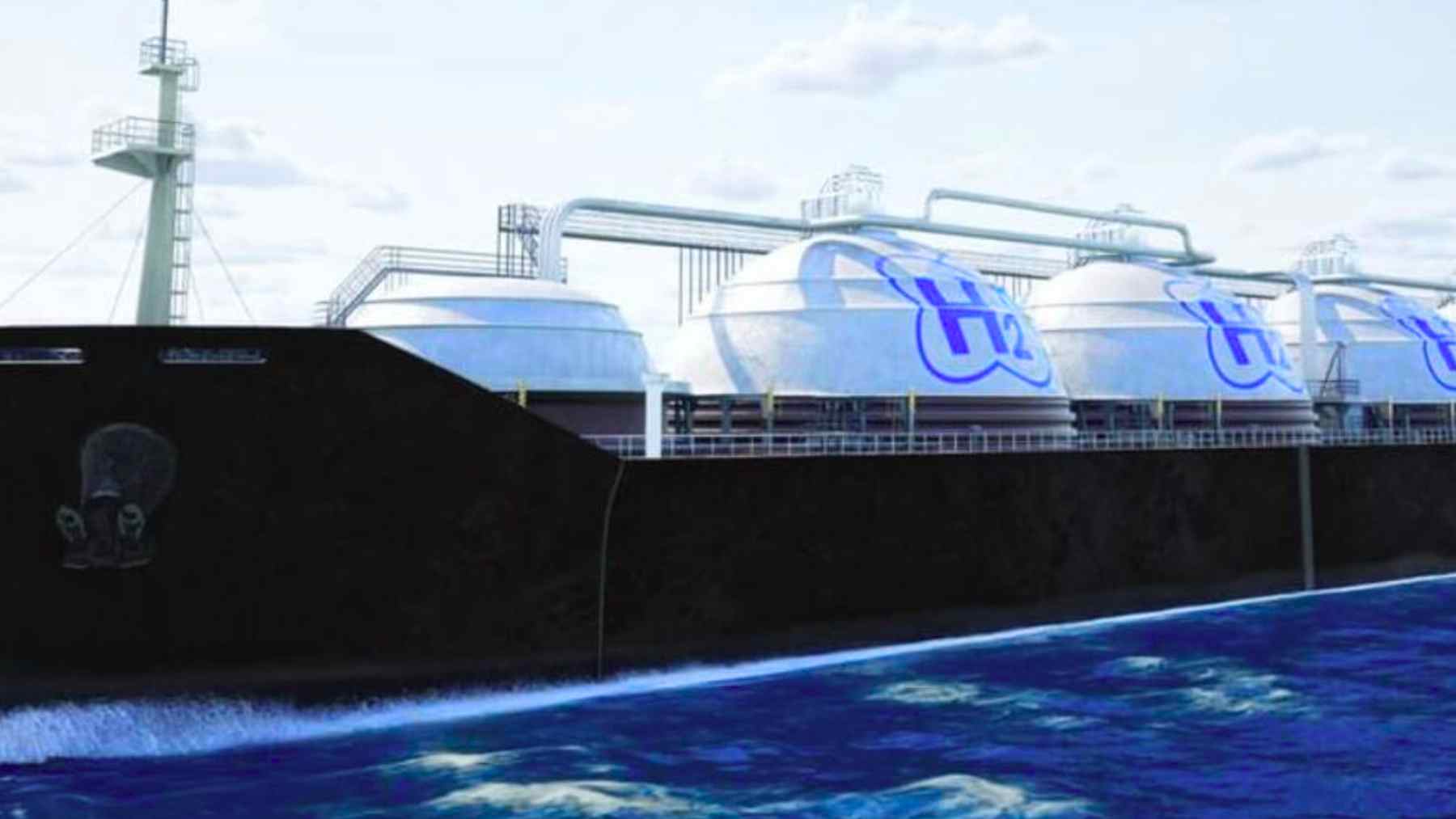
As of 2019, less than 7000 hydrogen powered vehicles were on the road. The technology is there, but the challenge lies in making these vehicles accessible and mainstream. Further, pure hydrogen is a rarity which means the hydrogen we do use is manufactured. To do that, you still require fossil fuels either by producing it from methane which produces carbon dioxide or through electrolysis which requires electricity.
Manufacturing hydrogen using clean electricity is a possibility for the future, but to do that, renewable energy sources such as solar power need to become more widespread and prevalent. Currently, researchers are investigating ways to make fuel cells cheaper but also ways in which to advance the capabilities of internal combustion engines so that they may be able to use hydrogen as a fuel source.
The good news is, the internal combustion engines which the majority of cars on the road use are affordable to make. Further, they can be modified with relative ease to run on hydrogen. However, there are still concerns on the transportation and storing of hydrogen as it is very reactive. To implement a widescale production use of hydrogen, significant safety procedures will be need to be created and followed by all employees.