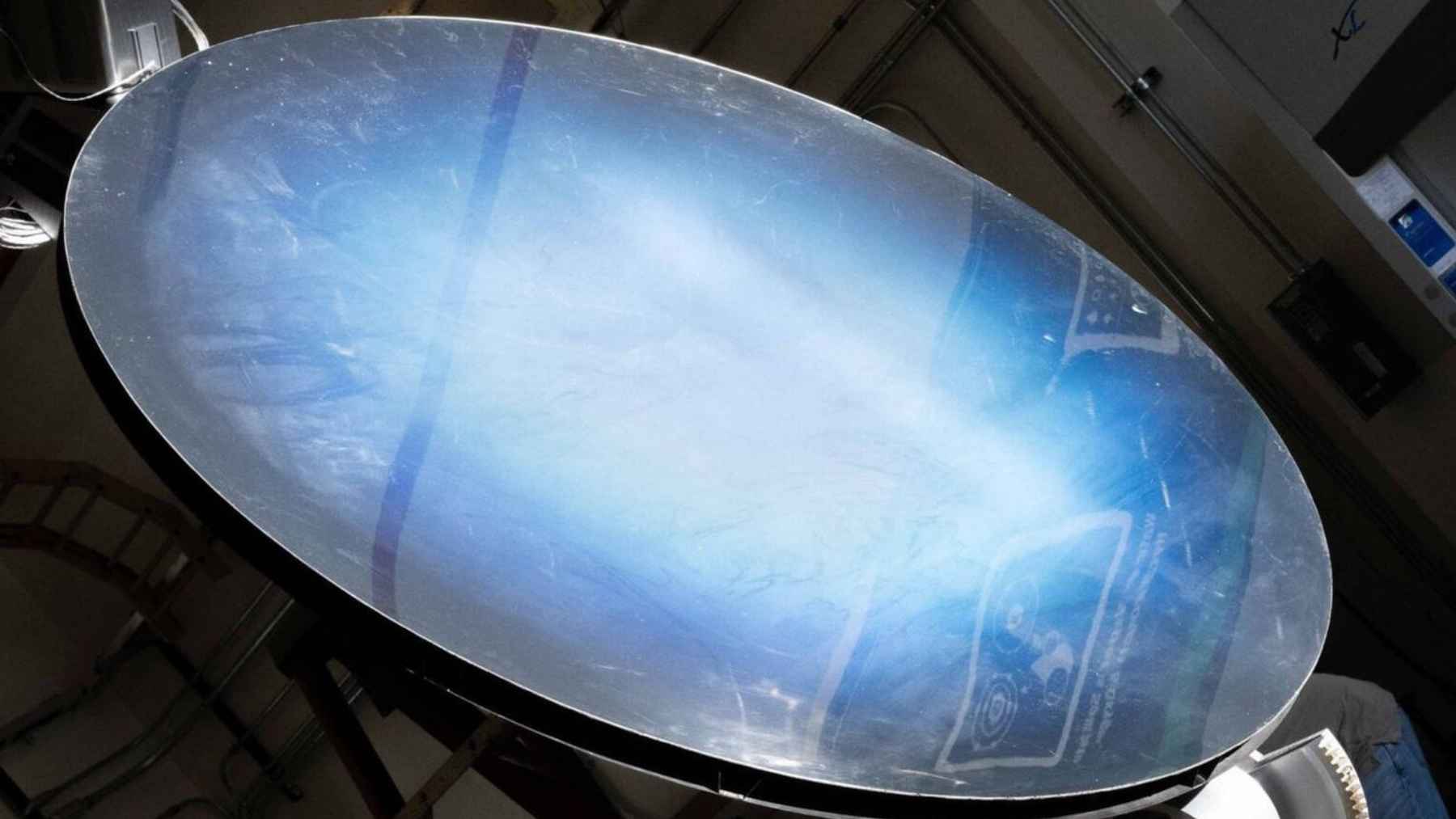
What if the air future astronauts breathe starts as dust under their boots? NASA says a new integrated test of its Carbothermal Reduction Demonstration, or CaRD, successfully used concentrated sunlight to drive chemistry in simulated lunar soil, a result that could make long stays on the Moon much less dependent on supply shipments from Earth.
That is the real takeaway. This was not yet a machine producing breathable oxygen on the Moon, but it was a full systems step that joined mirrors, software, and a reactor in one working chain. In other words, the idea of “living off the land” beyond Earth just got a lot more believable.
Why lunar dirt matters so much
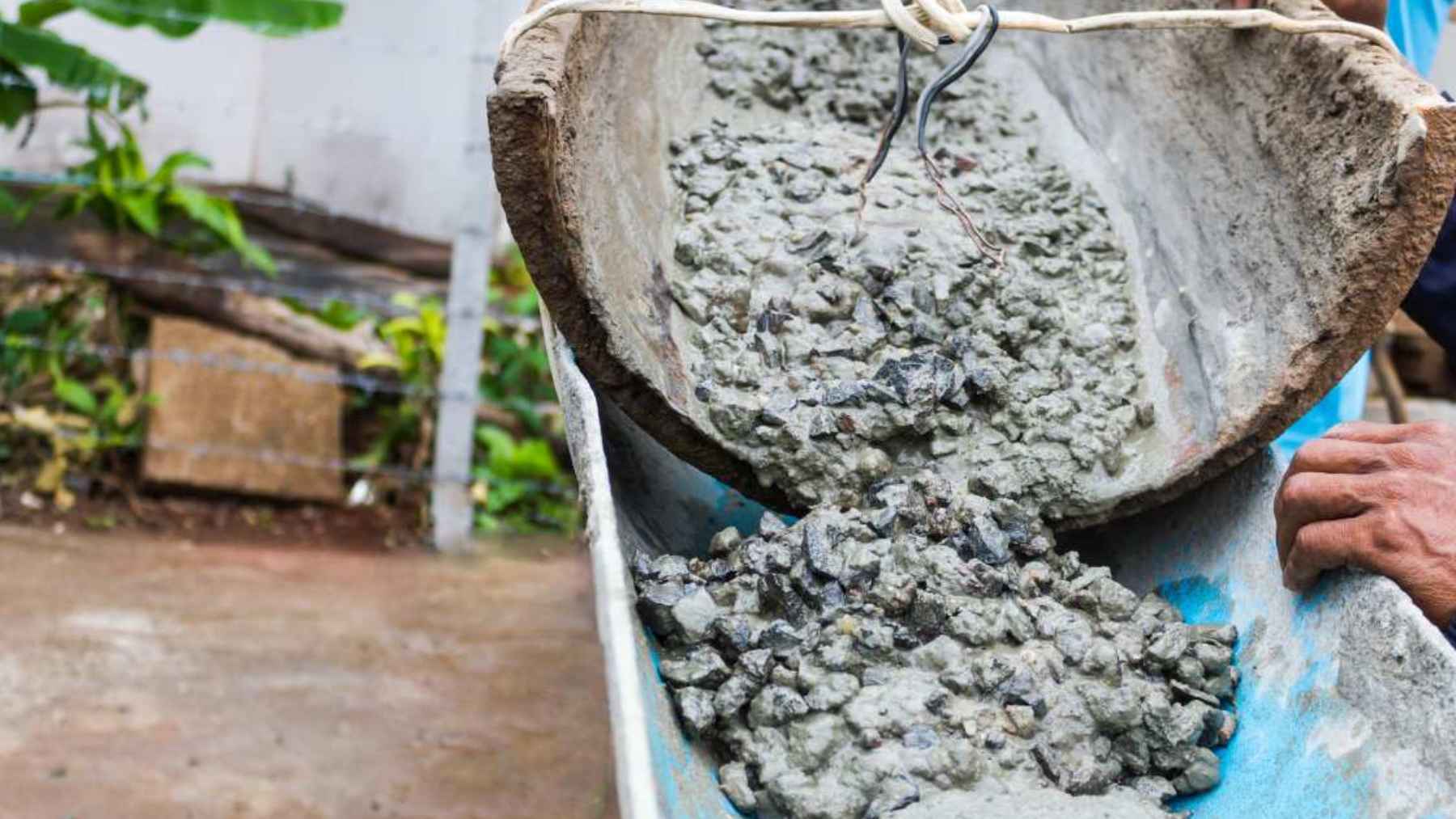
Lunar regolith, the dusty material that covers the Moon, contains about 45% oxygen by mass. The problem is that this oxygen is chemically trapped inside minerals, so astronauts cannot simply collect it as a ready-made resource. For long missions, that makes every breathable supply tank and every fuel load painfully expensive to launch from Earth.
NASA has been trying to solve that through in situ resource utilization, usually called ISRU. In practical terms, that means using local materials for air, water, fuel, and building needs instead of hauling everything from home. For a future outpost near the Moon’s south pole, that shift could make the difference between short visits and something closer to a lasting foothold.
What NASA actually proved in the latest test
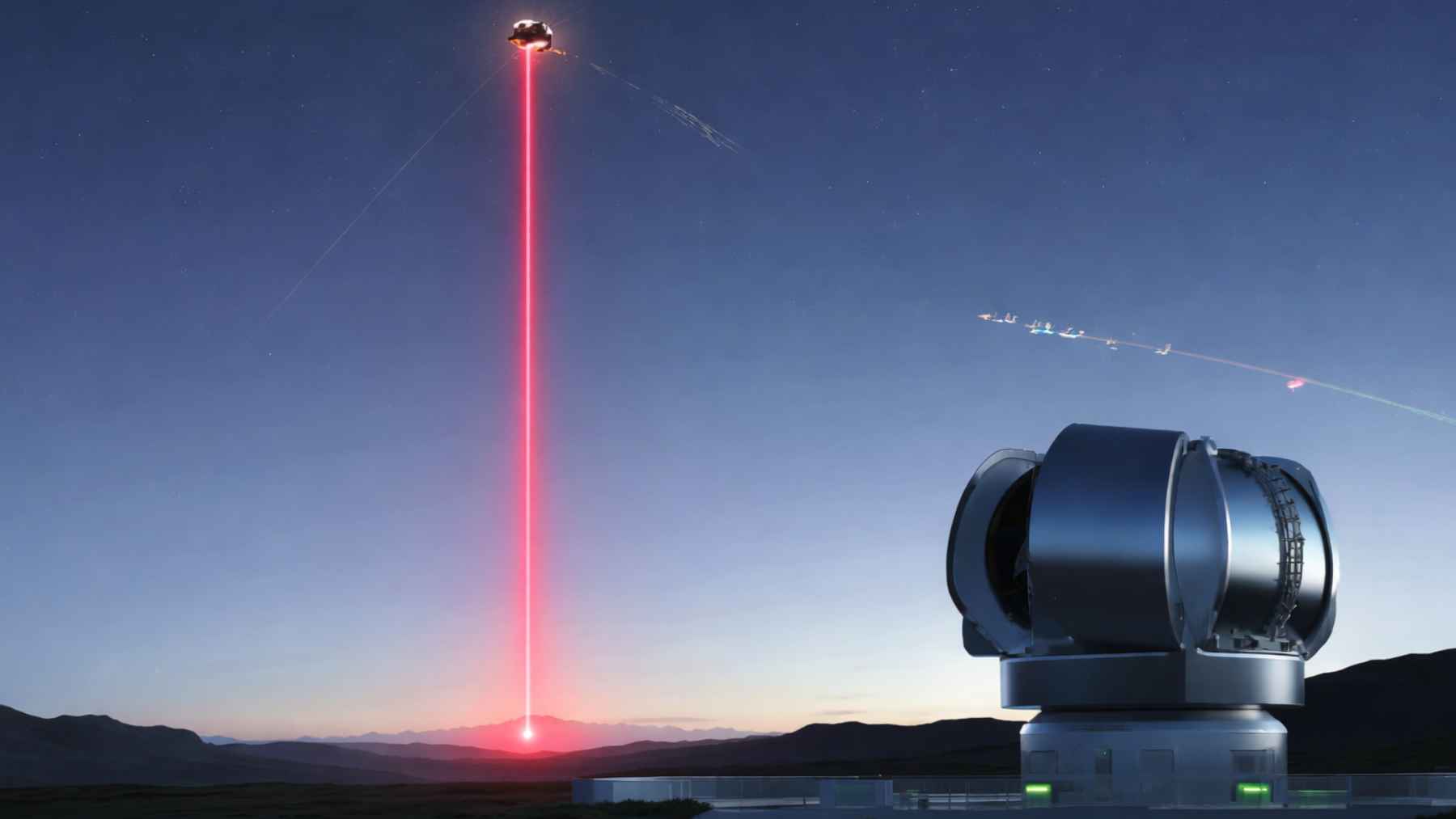
The method behind CaRD is called carbothermal reduction, a long-used industrial process that removes oxygen from minerals with very high heat. In the latest integrated test, NASA combined a solar concentrator, precision mirrors, and control software with a carbothermal reactor and ran the setup on simulated lunar regolith.
The team confirmed the production of carbon monoxide through a solar-driven chemical reaction.
That detail matters. Carbon monoxide is not the final gas astronauts need to breathe, but NASA says downstream systems can convert it into oxygen. So the breakthrough here is not a dramatic puff of lunar air—it is proof that the middle of the chain works when key pieces of hardware operate together.
This new milestone also rests on earlier progress. In 2023, NASA said the CaRD team had already extracted oxygen from simulated lunar soil in a vacuum chamber by using a high-powered laser to mimic solar heating.
The latest result moves the concept closer to real lunar conditions because sunlight-based concentration and system integration were part of the test itself.
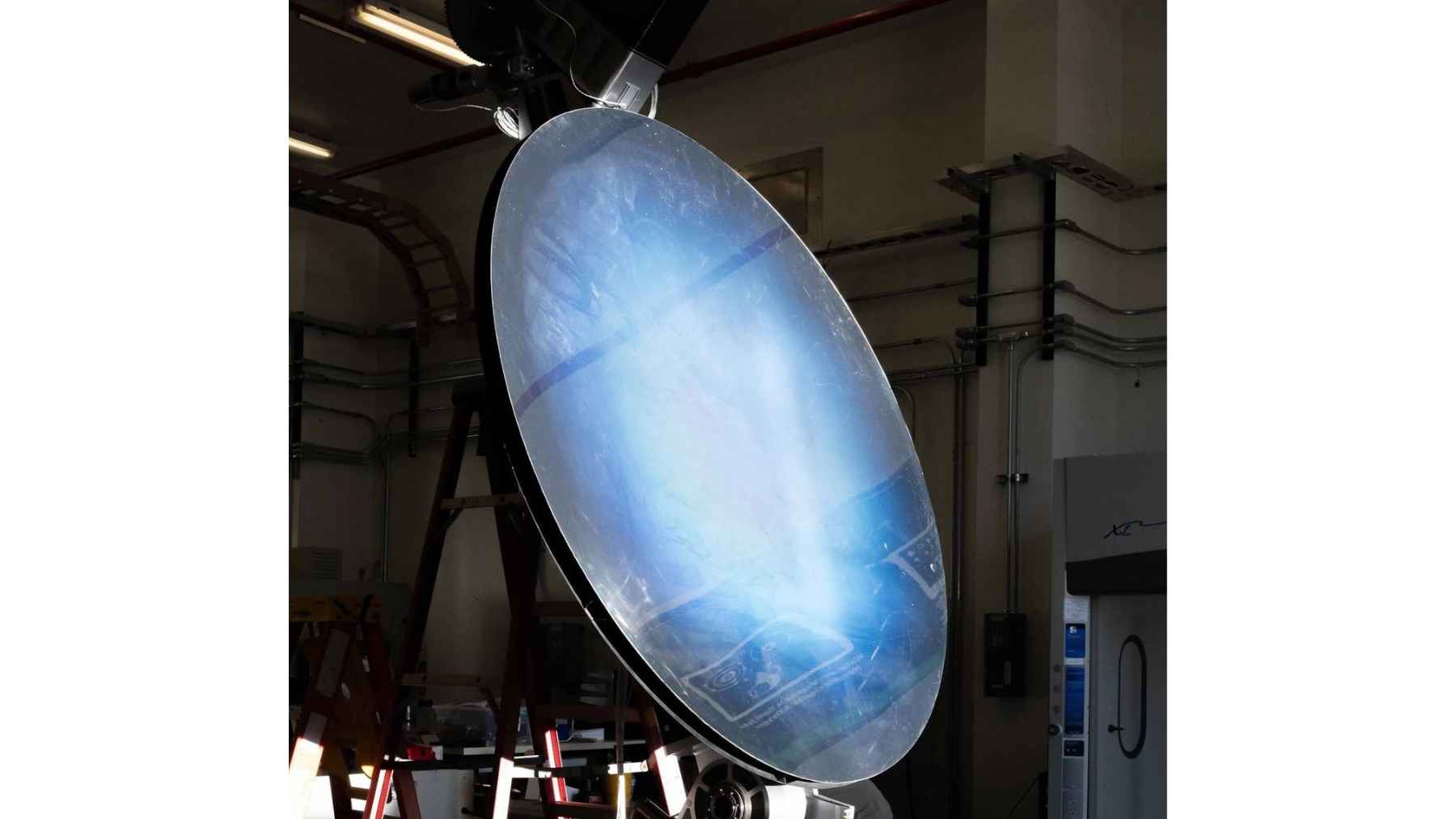
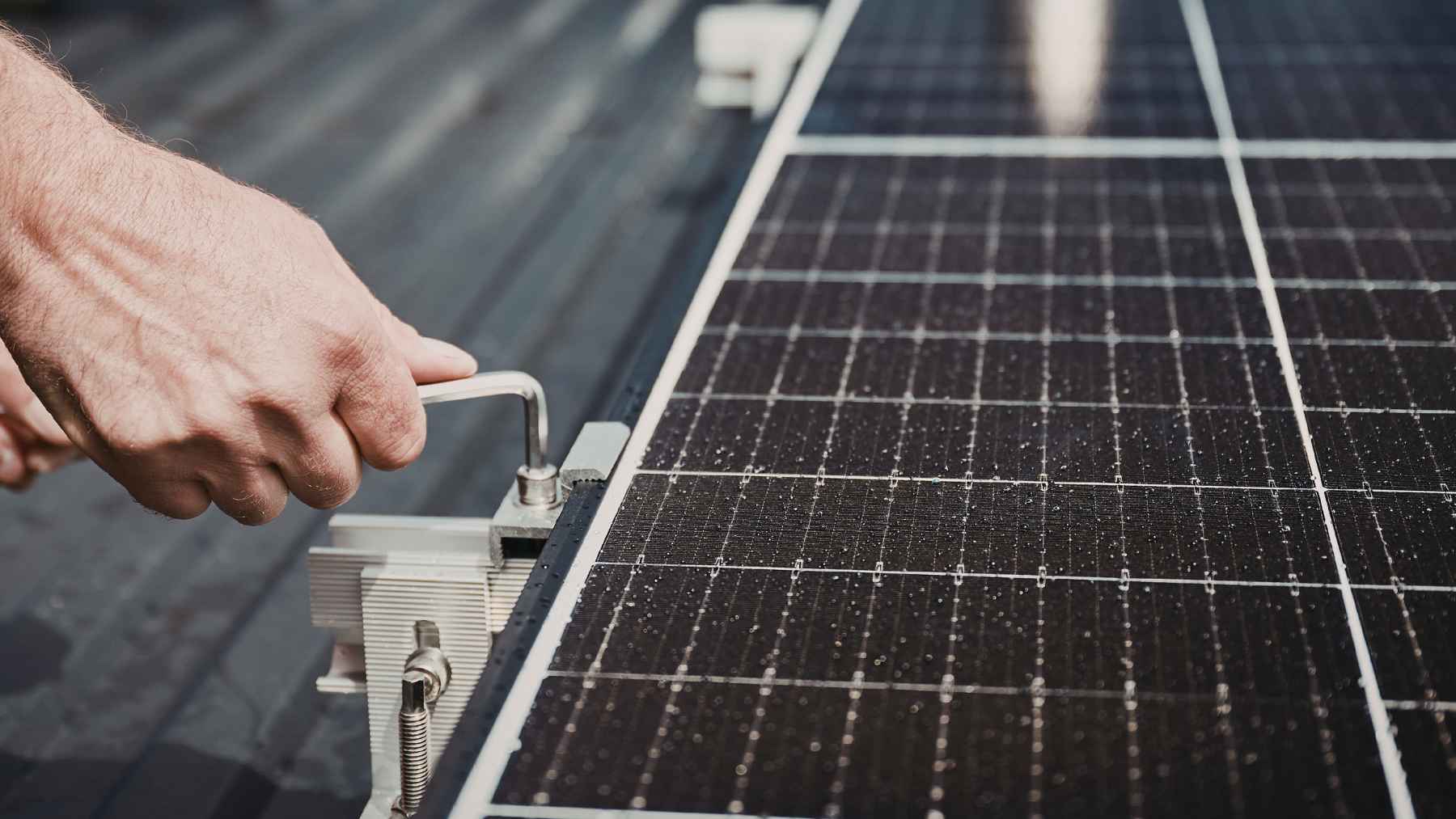
Harvesting light: This precision solar concentrator is the first link in a chain that turns lunar dust into breathable oxygen.
Why this matters for Artemis and Mars
If NASA can scale the process on the Moon, the payoff could be huge. The agency says the technology could help produce propellant using lunar materials and sunlight, reducing the cost and complexity of sustaining a long-term human presence on the surface.
That is exactly the kind of backbone system Artemis will need if astronauts are going to stay longer and work farther from their landers.
NASA engineer Aaron Paz put the promise in concrete terms in an earlier agency release, saying the technology has the potential to produce “several times its own weight in oxygen per year on the lunar surface.”
That would matter not only for breathing but also for transportation, because oxygen is a key part of rocket propellant. Suddenly this sounds less like a science headline and more like infrastructure.
And the Moon may only be the opening act. NASA says the same downstream systems used to turn carbon monoxide into oxygen could be adapted on Mars to turn carbon dioxide into oxygen and methane.
At the end of the day, what this technology is really trying to do is simple, make explorers less dependent on cargo from Earth.
The bigger story is about survival, not spectacle
It is easy to get caught up in the futuristic image of factories working on the Moon. But the deeper story is much more basic. Seen another way, this is sustainability stripped to its essentials, using what is already there because constant resupply is costly, limited, and risky.
There is still a long way to go. CaRD has been tested with simulated lunar soil on Earth, not with the real dust, cold, and punishing temperature swings astronauts will face on the lunar surface.
Even so, this latest result suggests one of the hardest parts of building a lasting presence beyond Earth is starting to look less like fantasy and more like engineering.
The official statement was published on NASA.