The race to find a renewable source of power that is entirely clean is afoot. Could this everyday substance be a surprise contender?
The race for renewables: the current state of the renewable industry
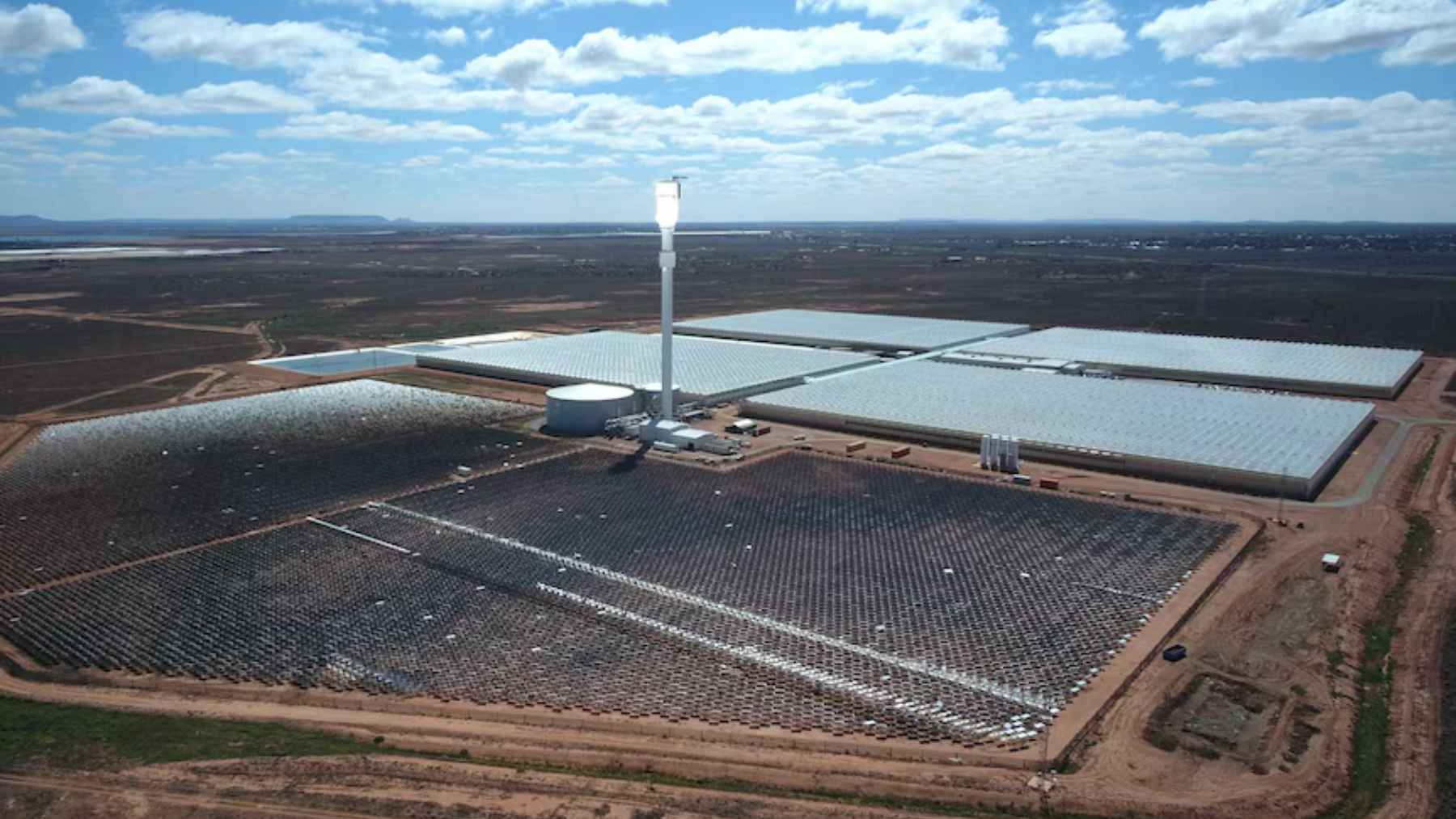
The increasing threat climate change is posing to our everyday existence has led to a frantic scramble to find a source of energy that is clean, renewable, and able to meet the energy requirements people have come to expect from the fossil fuel industry. Some of the solutions proposed to address this need include solar power (like this solar super-panel in Japan that produces more power than 20 nuclear reactors), and wind power, among others.
These solutions, though promising, have their drawbacks. The production of the silicon that photovoltaic cells need to convert sunlight into electricity releases harmful gases and microfibres into the environment. Similarly, the land taken up for wind turbines poses a threat to biodiversity and the maintenance of natural spaces.
An everyday contender: this common substance has incredible power capabilities
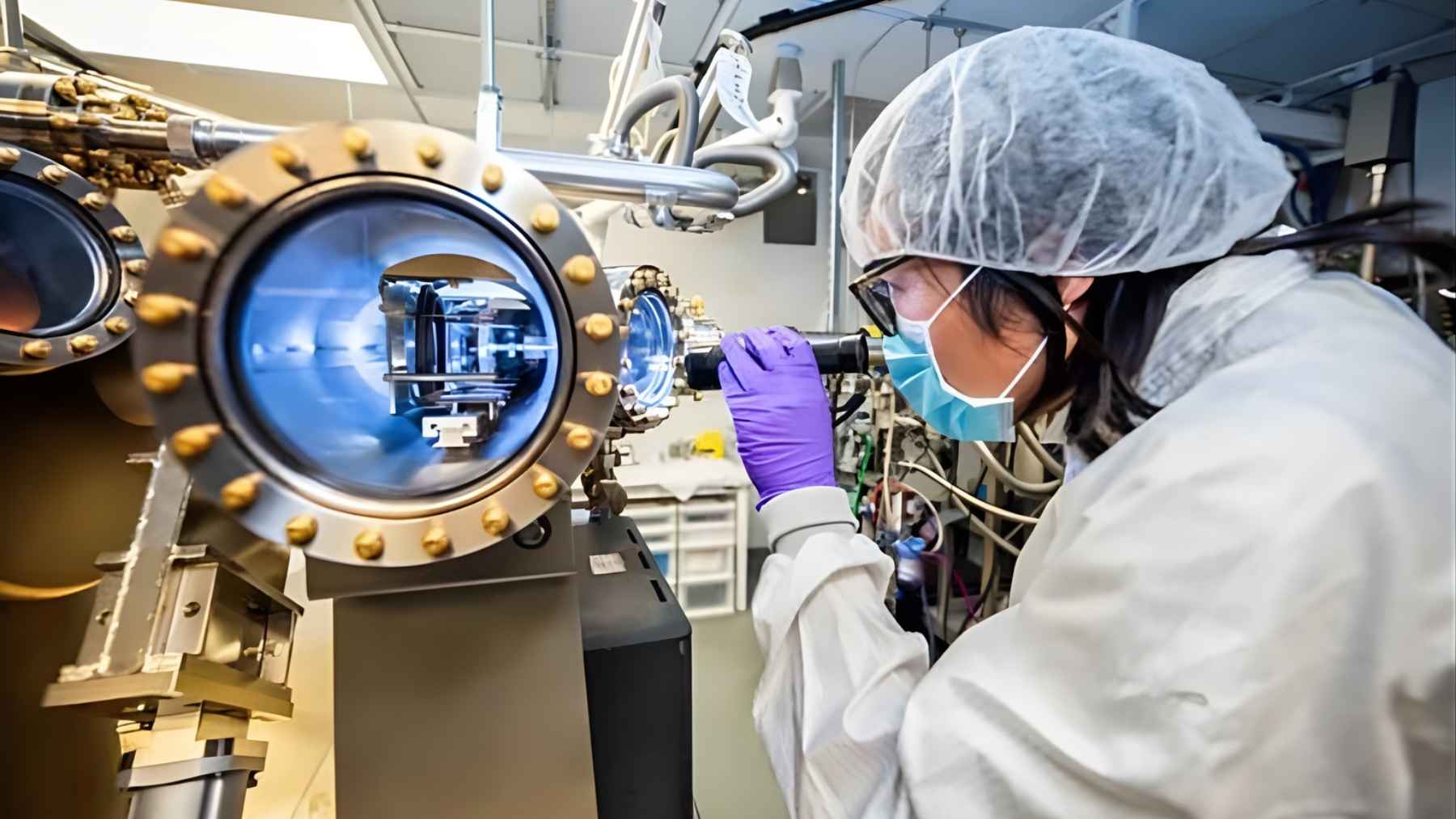
Researchers at the Optical-Bio Microsystems Lab have proposed a method for generating electricity using algae. In a recently published paper, they argue for a system of electricity generation that extracts energy from the process of photosynthesis undergone by algae suspended in a specialized solution in small power cells.
These micro photosynthetic power cells would harvest electrons produced during the process of photosynthesis. The micro photosynthetic power cell would consist of two chambers – an anode and a cathode chamber – separated by a honeycomb-shaped proton exchange membrane.
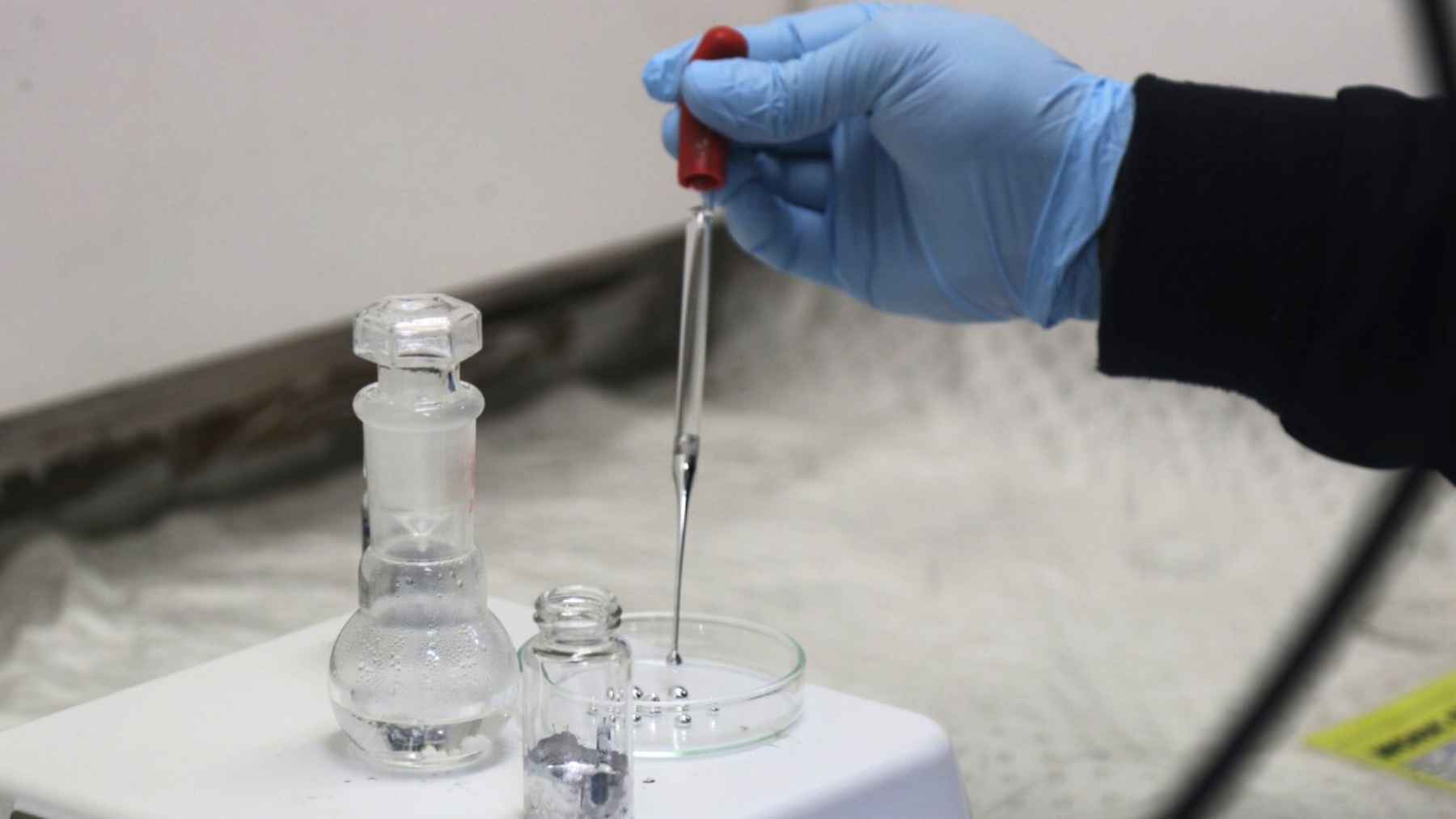
The researchers used microelectrodes on either side of the membrane to capture the charges produced during photosynthesis. The algae was suspended in a solution in the anode chamber while the cathode chamber consisted of potassium ferricyanide – an electron acceptor. The electrons released by the algae as it underwent photosynthesis in the anode were collected by the electrodes of the membrane and conducted in an electrical current.
Does this mean that negative carbon emissions are now possible?
As the electrons travelled to the cathode, protons travelled to the anode, reducing the potassium ferricyanide through oxydation and releasing oxygen. The only runoffs from the production of electricity from algae were water and oxygen.
Carbon emissions are generally measured in the amount of CO2 (carbon dioxide) produced during a process. The process of producing electricity from algae doesn’t just produce zero carbon dioxide, but it absorbs carbon dioxide from the atmosphere, releasing oxygen instead.
Because this process absorbs carbon dioxide from the atmosphere, it produces negative carbon emissions, reducing the amount of carbon emissions in the atmosphere as it produces electricity.
Adding to this, the materials used to produce the micro photosynthetic power cells are biocompatible, meaning that they leave behind no harmful material waste when disposed of.
Can this power source meet the demand currently met by fossil fuels?
Because this process is still in development, it is difficult to speculate what its ultimate power capabilities will amount to. In the initial testing that identified the production of electricity from algae as a possibility, it was found that the maximum terminal voltage of a single micro photosynthetic power cell was only 1.0V.
Though this initially seems quite low, it is important to note that the process of electricity production using algae requires sunlight at a much lower intensity than solar power does. This means that algae as a power source might be a viable alternative to solar power in regions that experience less intense sunlight.
The future of renewables might be even greener than expected
It is difficult to say with any certainty what the use of algae in electricity production will mean for the renewable industry. Scientists are optimistic though that through the use of artificial intelligence-assisted integration technologies and other scientific advancements, algae power has the potential to become a viable source of commercial electricity production.
It is safe to say that the renewable industry will continue to come up with mind-bending innovations (like this underwater turbine that has the potential to power 1000 homes) in its pursuit of a cleaner planet.