Renewable energy in Japan will receive a seismic shift via perovskite solar cells, the latest development that would change the way solar energy is viewed. Lightweight, flexible, and adaptable, these solar cells will provide a more viable means to producing energy within a city, responding to shortages of land and sustainable issues. Let’s see how Japan is benefiting from the PSC technology to bring about a green future.
Japan’s audacious strategy for renewables: The PSC technology for polluting China’s new era
Japan is currently utilizing its competitive advantages to lead the rest of the world into the new renewable energy age. Under its revised energy plan, the Ministry of Industry now prioritizes PSCs on Section 0 of its plan wherein Japan aims to develop PSC sections generating 20 gigawatts of electricity equivalent to 20 nuclear reactors by fiscal 2040.
The strategy was designed to be closely aligned with the country’s commitment to net-zero emissions by 2050. At the center of this strategy is Japan’s position as the second-largest iodine producer in the world, a necessary ingredient in the manufacturing of perovskite solar cells.
This would allow an independent supply chain within Japan’s territory, enabling the country to improve its economic security, reduce dependence on foreign origins, and provide forward-looking developments for its domestic industries.
Japan was once the world’s leader in solar panel manufacturing, but its share has fallen to below 1% because of the subsidized competition from Chinese manufacturers. However, Japan can claim that it is again in a stronger position by PSC technology. Supported by the government, Sekisui Chemical Co. is now developing advanced PSC modules for their future application to a broad market in the 2030s.
Changing the game of solar power: PSCs in source redefining urban power generation
All this makes PSCs very different in the sense that they can totally redefine how and where solar energy can be collected. This makes traditional silicon-based panels quite impractical in countries that are densely populated, like Japan, when only large spaces can accommodate them.
With high adaptability and lightness, bendability, and flexibility in manufacturing, PSCs can be integrated with urban environments easily. They can be installed on walls of buildings and windows, on car roofs, and on streetlights, allowing these surfaces to be utilized for energy harvesting.
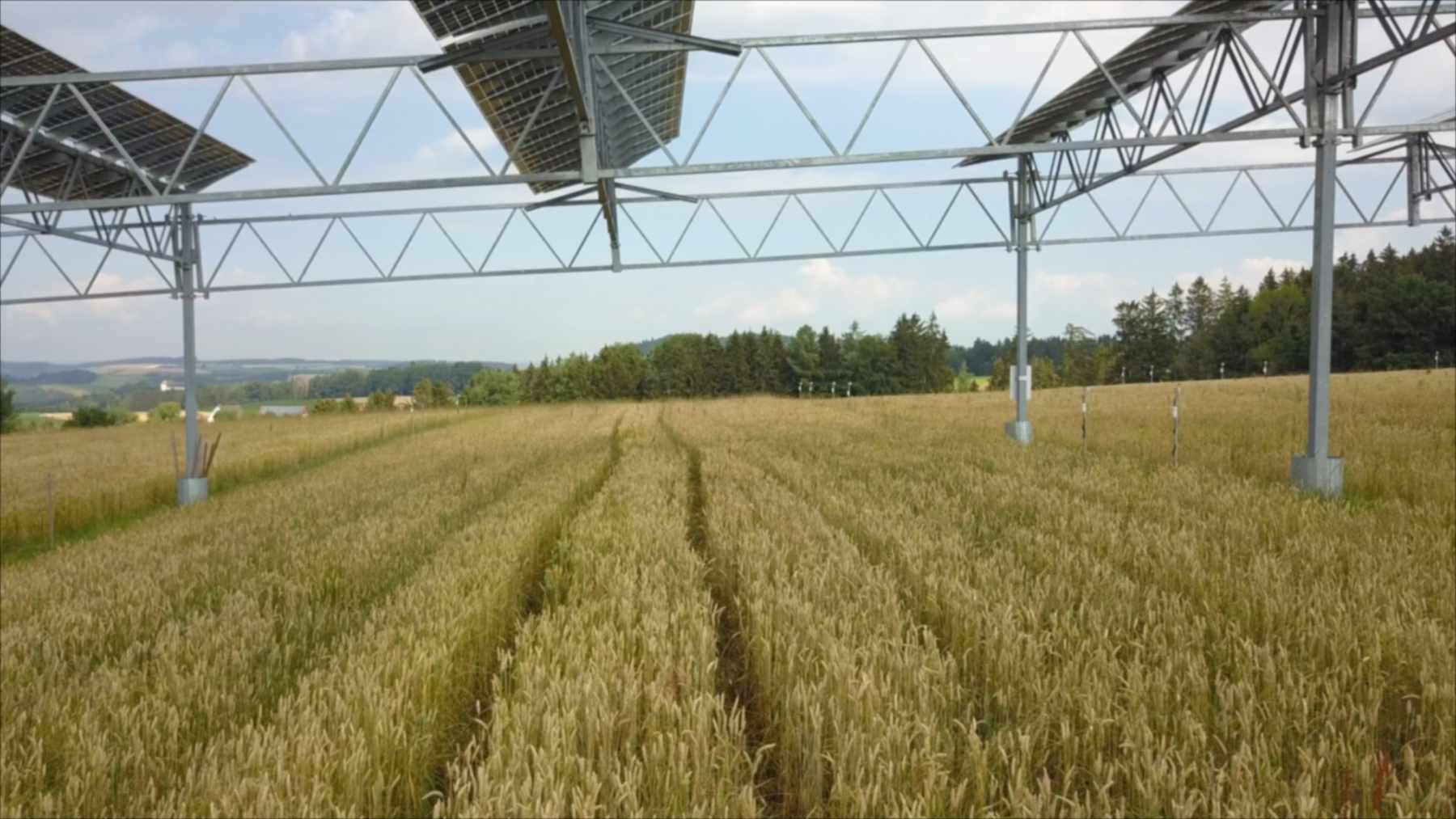
This invention solves the problem of space limitation in Japan to generate maximum energy in urban areas. The flexibility of PSCs will also allow hybrid systems – wind and solar energy systems – to be installed, further improving renewable energy efficiency. However, obstacles are still in place. Durability limit and high upfront cost are two of the significant concerns for PSCs today, but the technology is improving steadily, with predictions that costs will fall to JPY 10/W by 2040.
Japan’s solar revolution: From 1.9% to 10% energy output in every decade
Ever since the nuclear disaster in Japan in March 2011, the solar energy scene in that country has evolved rapidly. Today, the solar electricity output accounts for almost 10% of the total energy production in the country, compared with the previous year’s share of only 1.9% in 2014.
The current energy plan further aims to push this share by setting the target at 36%-38% of renewable energy sources consumption by 2030 and expects PSC technology to play big in crossing those figures by 2040. The predictions made by the government estimates regarding the cost with time states that PSCs are less expensive with JPY 20/W as of 2025 around which time it will also be lowered significantly after that.
These marks are critically relevant for making PSCs available to a broader audience and using them for more diversified applications. CE certified modules designed for durability and safety are geared to meet the demands of both domestic and commercial users.
With PSC technology, Japan makes serious commitment towards sustainable development. By harnessing its renewable natural resources and encouraging innovation, it positions itself as one of the leading nations in the globe for renewable energy. PSC technology will momentarily be affordable; hence, it will provide energy solutions to Japan while serving as a guide for other countries to prove the premise that wind and solar can create a greener world.