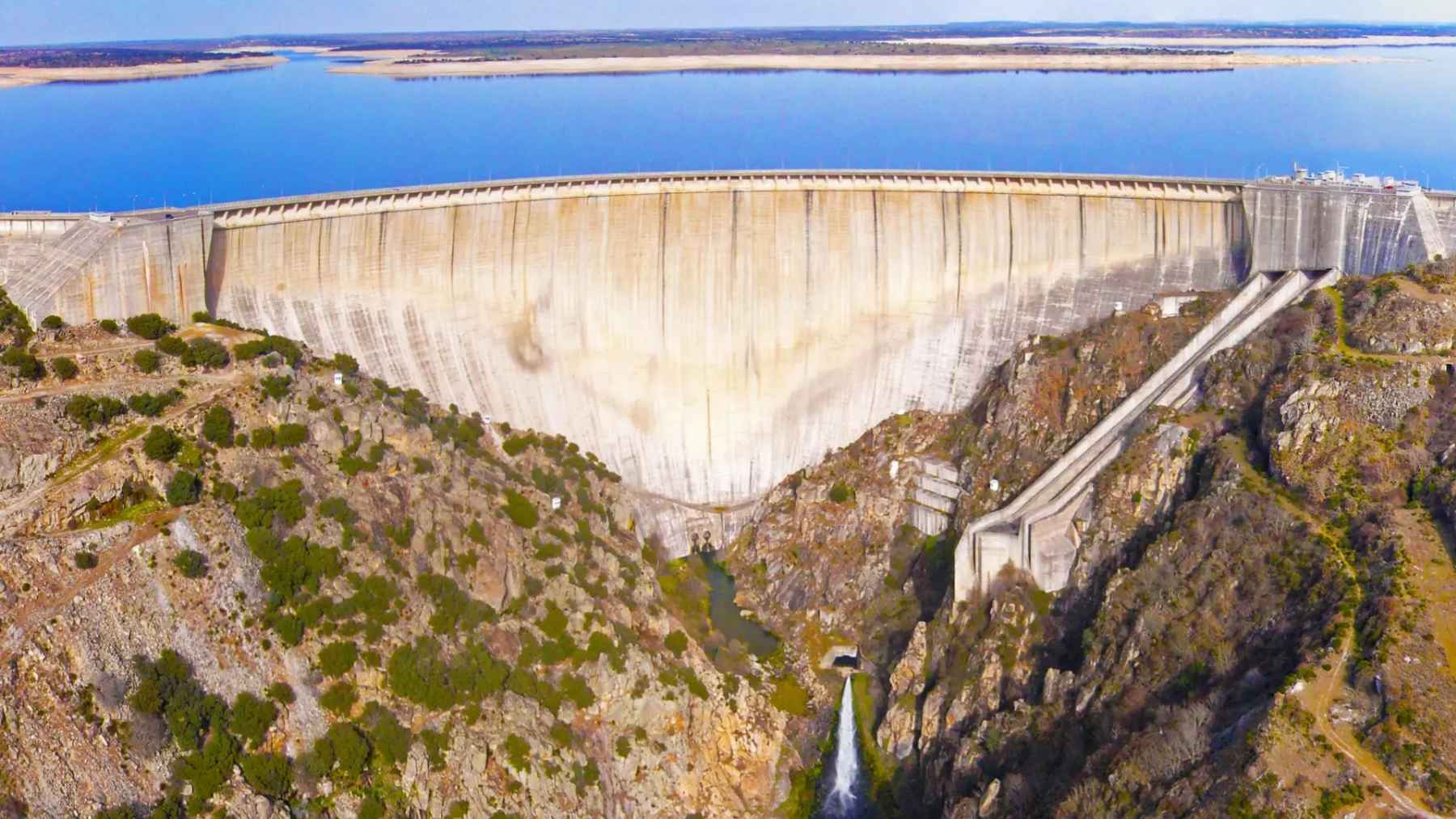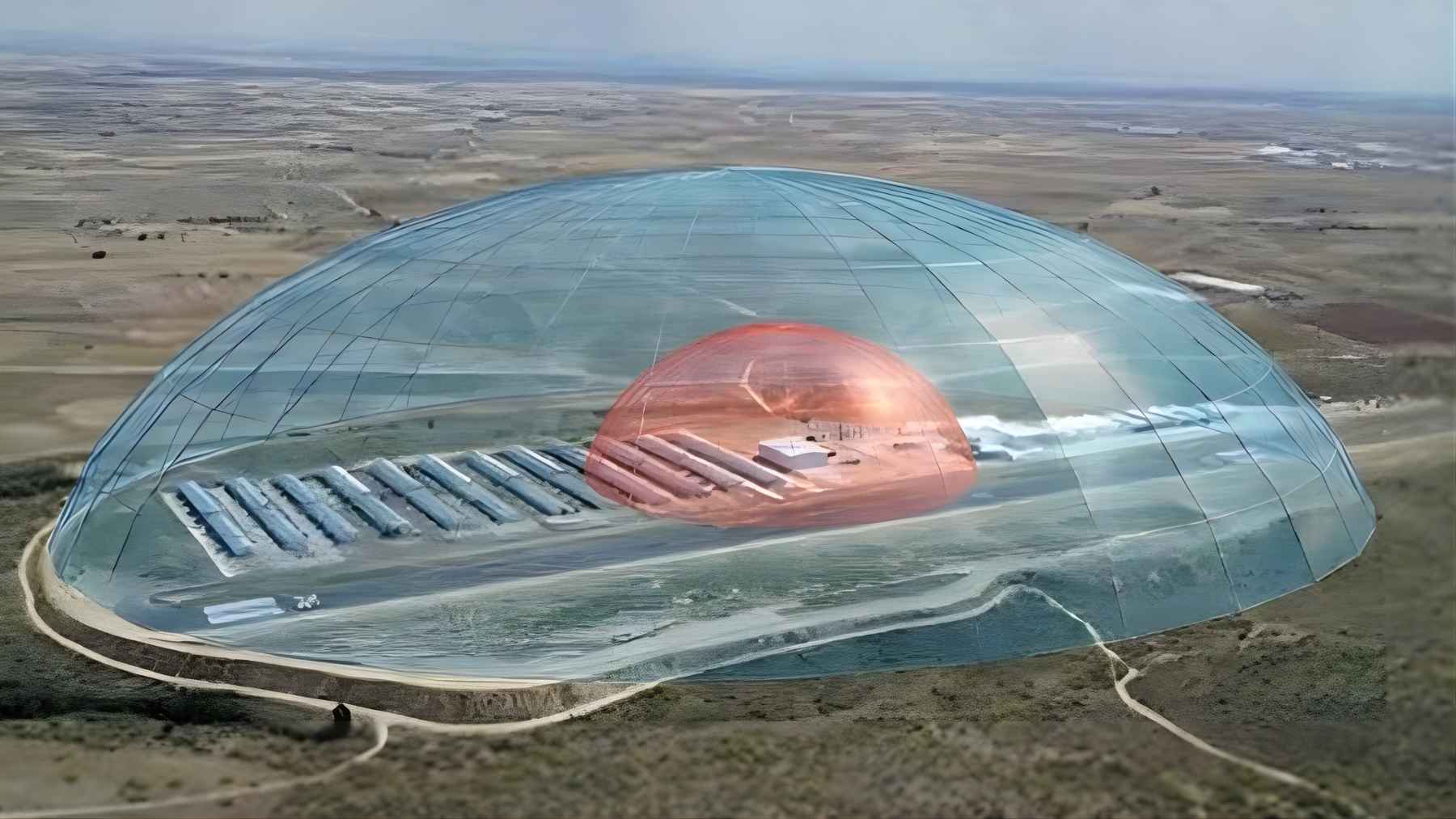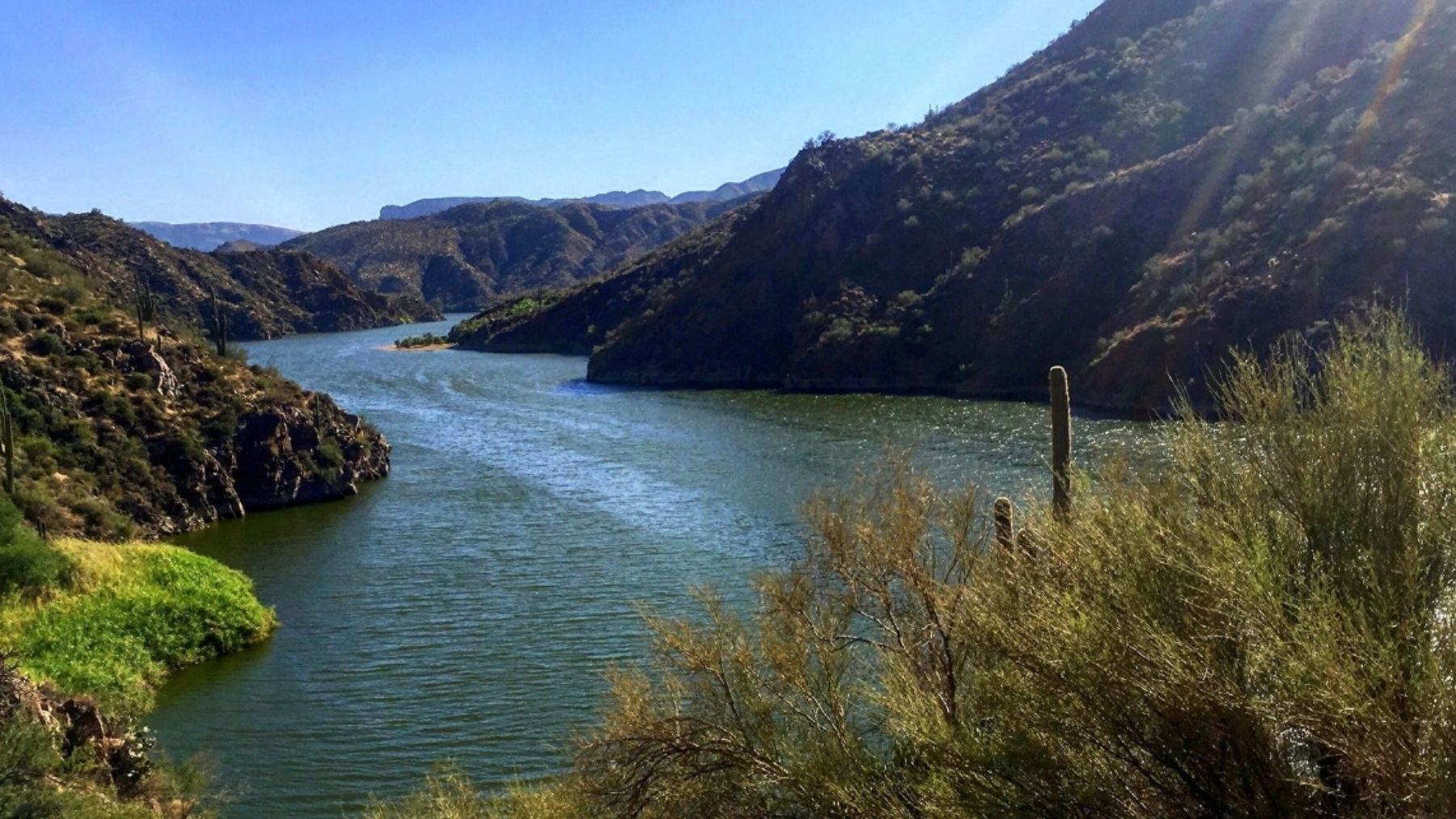
As per the Salt River Project (SRP), the idea is to build a huge artificial lake in one state’s desert so as to improve the energy storage possibilities in the state. What sets this particular lake apart from other lakes is the fact that it capitalizes on storing renewable power when the sun does not shine. Having a proposed lifespan of 100 years and a possible energy output of up to 2,000 megawatts (MW), this lake is not just any lake- it is a storage hydropower system.
What do we know about the Salt River Project (SRP)?
The Salt River Project (SRP) is considering two federally owned sites in one state. Should the project gain the approval it requires, the initiative proposes producing about 13 times more energy in comparison to pumped storage sites that are already in existence.
To build such a facility in a desert does come at a high cost. The project will carry a variety of environmental and logistical challenges. Since the sites that are pending approval contain a vast array of species, including desert tortoises, bighorn sheep, and saguaro cactuses, the challenge posed when working on this land cannot be ignored. Six tribes have already voiced their concerns as the area in question houses ancestral ties.
The SRP will need to conduct thorough investigations before advancing with this project. While still in its infancy stages, the goal of the SRP is to start construction by 2027, with all operations beginning by 2033. Aside from the environmental cost linked to this project, the actual costs could cost millions of dollars.
A project focused on storing energy
While setbacks are clear, the backing pushing this project forward is the fact that the development of renewable energy infrastructure will take some load off constant output-generating. The project offers insight into the possibility of generating 2,000 megawatts of energy in a harsh desert climate setting. This model could change the way we store energy on the whole.
In which state would this huge artificial lake be built?
Lakes in America are drying up, so it makes all the more sense to look into artificial lakes. It was one of Arizona’s biggest utility companies that was behind the SRP and is looking at building this artificial lake in the state of Arizona. The Phoenix metro area in Arizona sees a growing population, and with this increase in population size, the increasing energy needs can be noted as well. Projects such as the SRP target the solar energy sphere with hopes of ensuring net-zero carbon emissions by 2050. However, when relying on solar power, the flaw is that solar power only works towards reaching the energy generation goals when the sun is shining.
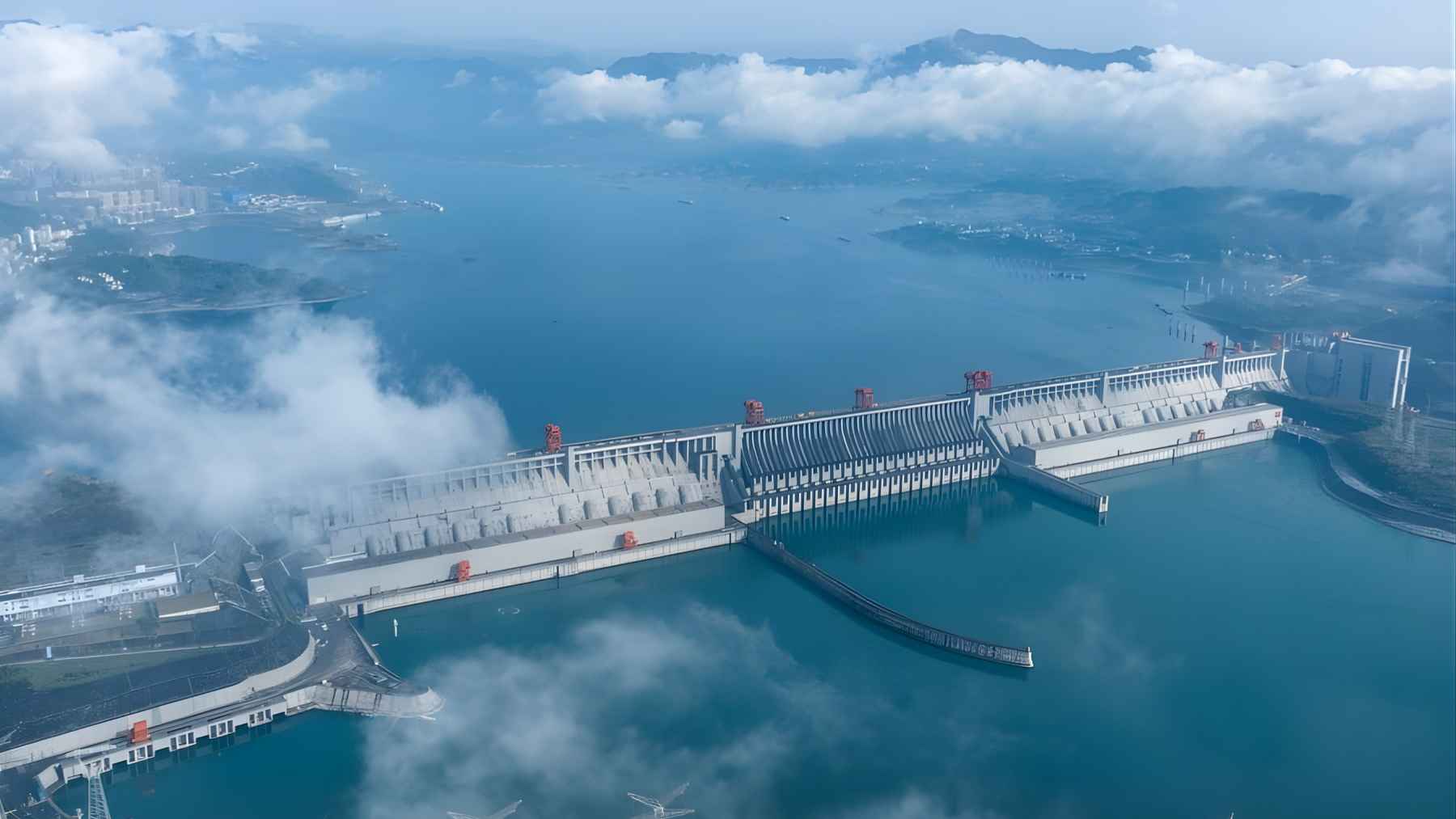
To alleviate the problem with relying on solar energy, the SRP is working on building a pumped storage system that entails creating an artificial lake in the desert, paired with a lower-elevation reservoir. All excess solar energy would then pump water uphill. Water would, as such, be released downhill, provoking the spinning turbines to generate enough power to cater for about 450,000 homes for approximately 10 hours. The long-term goal would be to generate enough power to last 100 years.
The bigger picture when analyzing this artificial lake
With the SRP, the goal is to be able to provide renewable energy that will last for a century. As has been said by SRP’s Engineer, Eric Hannoush, “There’s a real economic benefit to building a pumped storage facility that lasts 100 years compared to battery systems that are continuously being replaced.” It is yet to be seen if SRP can gain approval from the state and gain acceptance from the tribes opposed to changes on sites connected to their ancestral heritage. For now, the benefit of building this artificial lake is all too clear. Already America is looking at a $7,3 bn investment to produce energy, so this investment would be well worthwhile.