In 2026, Japan will launch the first commercial engine that generates electricity by burning a mixture containing up to 30% hydrogen, with a warranty and upgrade option, after 11 months of testing in Kobe and with the promise of decarbonization without changing the pipes

· · 5 min read
For many households and factories, the energy transition often feels distant until the electric bill jumps or the lights flicker on a hot summer evening. Now Japan is putting a very tangible tool into that transition, unveiling the world’s first commercial large gas engine that can generate electricity using a fuel mix with 30% hydrogen by volume blended into natural gas.
In late 2025, Kawasaki Heavy Industries quietly opened the order book for this hydrogen ready model. The unit sits in the eight megawatt class for distributed power plants and is built on the company’s KG series platform.
Sales began only after an eleven month operational trial at the Kobe works that started in October 2024 and checked how the system behaved under real-world conditions, not just in a lab.
On paper, the idea sounds straightforward. Add hydrogen to the fuel, keep the same pipes and tanks, and trim carbon dioxide emissions from each kilowatt hour. In practice, the design reflects a transition mindset that tries to give plant operators a cleaner option without forcing them to scrap equipment that still works.
How a 30% blend fits existing gas grids
The new engine can burn fuel that contains up to 30% hydrogen by volume, with the balance supplied by natural gas. Engineers chose that level because it can usually move through existing distribution networks with only limited adjustments instead of a complete rebuild of pipelines and storage tanks.
Earlier KG series engines have already logged more than 240 orders worldwide since 2011. Kawasaki’s tests and public materials confirm that many of those units can be upgraded to the same hydrogen co-firing specification.
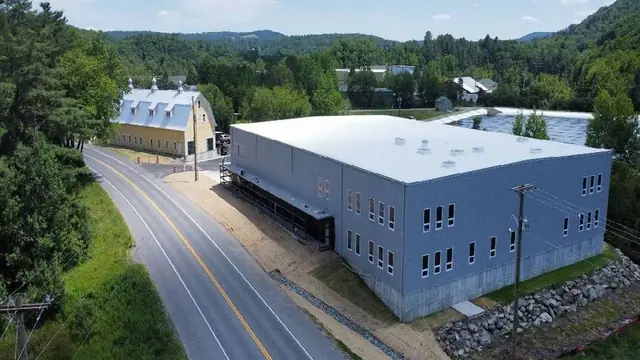
In practical terms, a plant that was designed a decade ago for pure natural gas can extend its life while cutting emissions instead of waiting for a brand new fleet to arrive.
Safety is the side of this story that rarely shows up in marketing but matters a lot in the control room. Hydrogen molecules are extremely small, can seep through seals that easily contain methane, and ignite across a wider range of fuel and air mixtures.
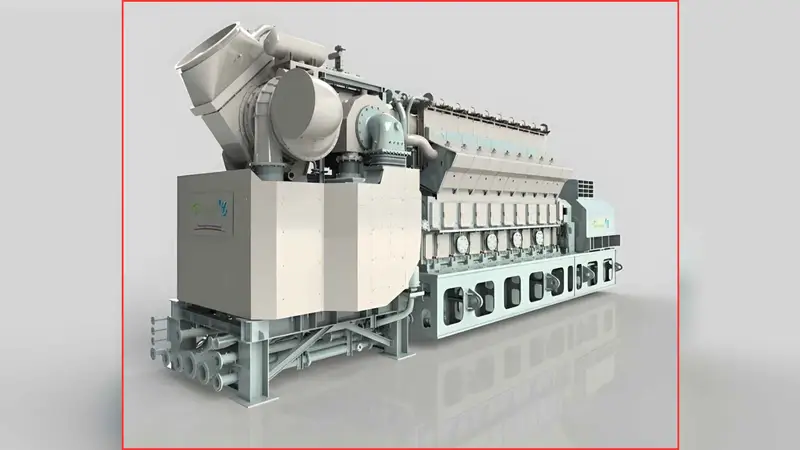
During the verification campaign, engineers spent significant time testing hydrogen leak detection, purging routines, and the way the entire fuel system responds if something fails.
The commercial engine now includes hydrogen sensors distributed along the fuel path and nitrogen purging that can flush lines during startup, shutdown, or a fault, adding another layer of protection for operators and nearby communities.
From power plants to ports
In Japan this work on stationary power coincides with a similar push at sea. Around the same time the KG engine went on sale, a consortium of Japanese manufacturers, including Kawasaki, Yanmar Power Solutions and Japan Engine Corporation, announced they had completed what they describe as the first land-based operation of marine hydrogen engines. The trial used a newly developed liquefied hydrogen fuel supply system at Japan Engine’s factory site.
Those tests confirmed that medium-speed, four-stroke engines could run on hydrogen at rated output. A separate low-speed, two-stroke model, aimed at driving the main propeller on large cargo ships, is scheduled to enter trials in the spring of 2026.
All three engine types share a dual fuel architecture, so crews can run on hydrogen where bunkering is available and switch to marine diesel on routes that still lack hydrogen refueling.
Green Innovation Fund and who pays for the risk
Both the power plant engine and the ship engines sit inside a much bigger climate policy experiment. Their development is backed by New Energy and Industrial Technology Development Organization (NEDO) through the Green Innovation Fund, which the Ministry of Economy, Trade and Industry (METI) capitalized with about two trillion yen to help Japan reach carbon neutrality by 2050.
That kind of public backing lets companies tackle problems that are hard to finance through normal market channels, such as long-term durability of hydrogen valves or training crews to handle extremely cold fuel safely at sea. It also buys time for technologies that cut emissions but may not yet compete on cost with conventional fuels.
The missing fuel network
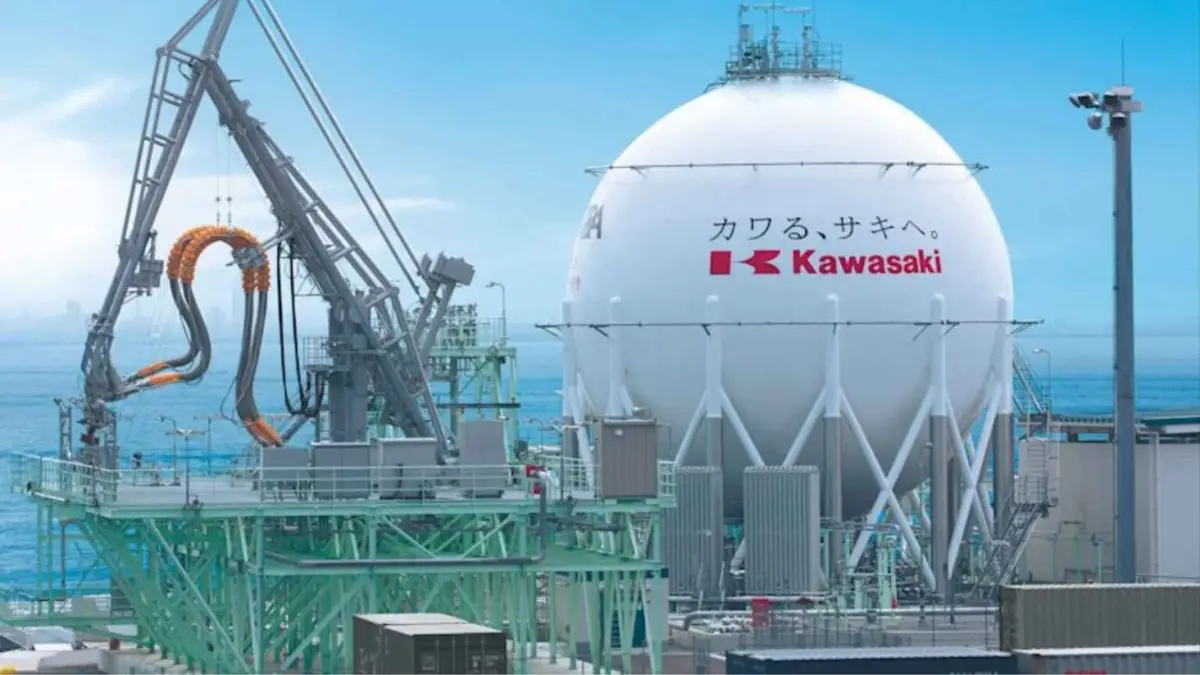
There is a catch. Engines can be ready long before the fuel is. Japan still imports nearly all of its primary energy, and large-scale hydrogen logistics are only now coming into focus. To a large extent, the centerpiece of that effort is the Kawasaki LH2 Terminal rising on Ogishima in Kawasaki City.
The facility is described as the country’s first commercial-scale liquid hydrogen import base, centered on a cryogenic tank that can hold about fifty thousand cubic meters of liquefied hydrogen, together with systems for ship handling, liquefaction, gas supply, and truck dispatch. Commercial operations are planned around 2030.
In parallel, Kawasaki is working with Japan Suiso Energy on a new liquefied hydrogen carrier with a capacity of roughly forty thousand cubic meters. That vessel represents a major step up from the earlier Suiso Frontier demonstrator that carried the first test shipment of liquefied hydrogen from Australia to Japan a few years ago.
Together, the ship and terminal are intended to anchor an international hydrogen supply chain that can eventually feed both coastal bunkering facilities and inland power plants.
What this means for emissions today
For people breathing the air near busy ports or watching their monthly utility bill, the obvious question is whether these projects lower emissions in the short run. The answer, for the most part, is that they can.
A gas plant that switches from pure natural gas to a 30% hydrogen blend lowers its direct carbon dioxide output per unit of electricity, especially if the hydrogen comes from low-carbon production. Hydrogen capable ship engines offer similar potential along heavily trafficked sea routes once fuel is available.
At the same time, experts warn that none of this removes the need to build a genuinely clean hydrogen industry. Until import terminals, carriers, and electrolyzers are running at scale, many early buyers of the KG engine will either pay a premium for limited local hydrogen, operate mainly on natural gas, or hold back and wait.
The benefit, to a large extent, is that existing plants and vessels can adapt instead of becoming stranded assets when cleaner fuels begin to flow.
In short, Japan is betting that making today’s equipment flexible is one of the quickest ways to open the door to tomorrow’s fuel.
The press release was published by Kawasaki Heavy Industries.
Glossary for this story
- Energy transition
- The shift from an energy system based on fossil fuels to one based on clean energy and more efficient use.
- Megawatt
- One million watts. Used to measure the output of power plants and wind or solar farms.
- Methane
- A greenhouse gas far more powerful than CO₂ in the short term. It comes from livestock, landfills, rice fields and natural gas leaks.
- Net zero
- When the greenhouse gases still being released are balanced by the amount removed from the atmosphere, so the total is zero.
ECOnews Newsroom
Writer at ECOnewsA team of journalists specializing in socio-environmental news, sustainability, climate change, the environment, responsible consumption, and innovation. At EcoNews, we provide clear, reliable, and relevant coverage of the environmental and social challenges shaping our era.
More from ECOnews NewsroomComments · 0
Rules ›No comments yet. Be the first to share your view.