Oregon cut coal to about 8% of its energy mix in 2024, down from 28% in 2016
Oregon gets nearly 34% of its electricity from hydropower, its solar use grew eighteenfold from 2014 to 2024, and data centers are driving energy demand…

· 3 min read
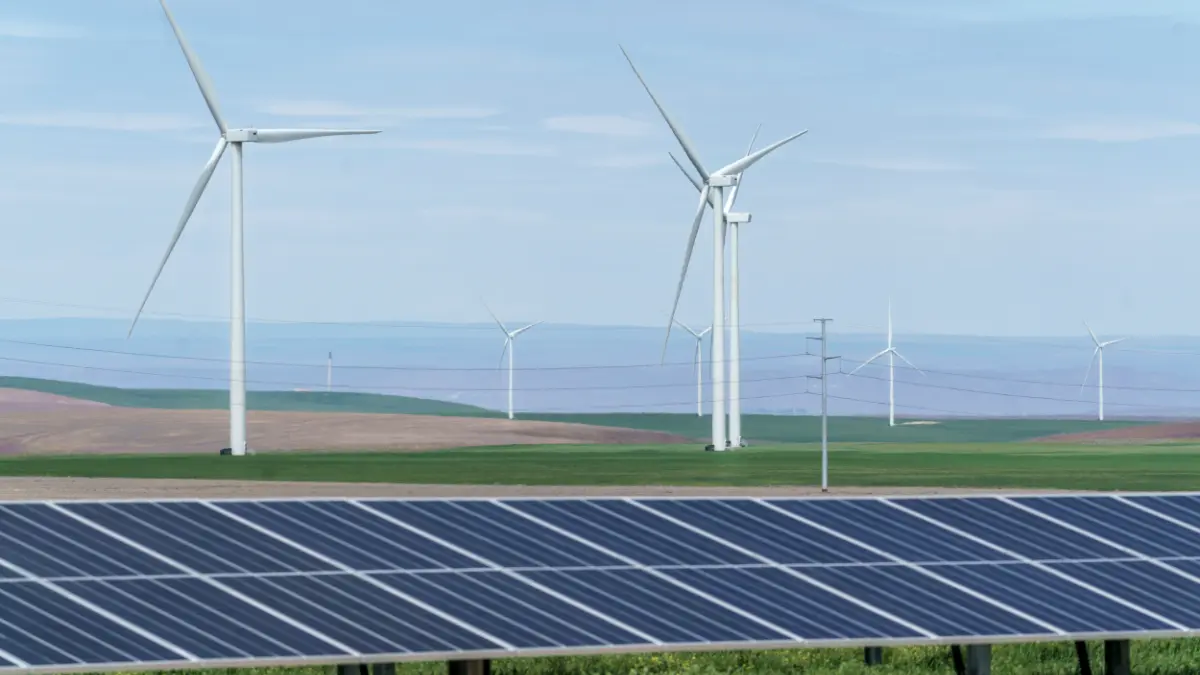
Oregon's energy demand is growing faster than it has in several decades, according to a new report from the state's Department of Energy. Coal has fallen from 28 percent of the state's energy mix in 2016 to about 8 percent in 2024, a drop of more than two-thirds. The report says the growth is being led by data centers and industrial expansion. Commercial users, a category that includes data centers, reached a record 20 percent share of energy use, up from 16 percent in 2022. Hydropower remains the largest power source at nearly 34 percent, while natural gas supplies 21 percent and solar use grew eighteenfold from 2014 to 2024. Another 21 percent of electricity comes from other states without an identified source. The summaries released so far give no estimates of how rising demand could affect electricity rates.
Key points
- Solar use grew eighteenfold from 2014 to 2024. Coal fell from 28% of the mix in 2016 to about 8% in 2024.
- The state says energy demand is growing faster than in several decades, led by data centers and industrial growth.
- Commercial use, which includes data centers, rose from 16% of Oregon's energy consumption in 2022 to a record 20% in 2024.
Oregon's energy demand is growing faster than it has in several decades, the Oregon Department of Energy says in a report announced Nov. 5. Coal has fallen from 28% of the state's energy mix in 2016 to about 8% in 2024, according to a story republished by OPB.
The introduction to the department's 2026 Biennial Energy Report says that growth is being led by the spread of data centers and by industrial expansion, and the department's announcement makes the same point. Hydropower remains the state's largest source of power, at nearly 34%, and solar use grew eighteenfold from 2014 to 2024, according to the republished story.
About three-quarters of Oregon's electricity comes from hydropower, gas and unidentified imports
Natural gas accounts for 21% of the mix, according to a story about the report that OPB republished. Another 21% arrives from other states without an identified source, and the story notes that such imports often come from gas or coal. Wind adds 8% and solar 5%, with nuclear, biomass and geothermal filling in smaller slices.
Hydropower, gas and those unspecified imports together account for about 76% of the electricity used in Oregon. Hydropower, wind and solar combined reach about 47%. Roughly a fifth of the supply, though, falls in what ODOE's electricity mix dashboard calls the unspecified category, meaning open-market purchases for which the department does not know exactly which resource supplied the power. ODOE began reporting it that way when it changed its method starting with the 2022 data.
Oregon's coal share fell about 71% between 2016 and 2024
Measured against its 2016 starting point, coal's fall to about 8% is a drop of roughly 71%, which the republished story describes as more than two-thirds. The story refers to Oregon's energy mix for the coal figures and does not say whether they cover electricity alone, so they may not line up exactly with the power shares above. A 2021 state law requires Oregon's largest electric utilities to cut their greenhouse gas pollution to 80% below 1990s levels by 2030 and 90% below by 2035, according to the same story.
Commercial users, including data centers, reached a record 20% share of Oregon's energy use
Commercial energy consumption, a category that includes data centers, went from 16% of statewide use in 2022 to 20% in 2024, according to the republished story, which says the report calls that level a record. The commercial share grew by a quarter in two years. Because it is a share of the total, the figure shows how much weight commercial users carry, not how much more energy they consumed.
Industry, which includes semiconductor manufacturing and agriculture, accounts for 24% of the state's overall energy use, and households for 19%. Transportation is the largest user, at more than a third. The story does not word every sector the same way, describing the commercial figure as a share of power use, so it is unclear whether all four shares are measured against the same total.
"We’ve tackled tough topics again this year, like data centers and their effects on energy, and leadership changes at the federal level that have affected energy and climate program funding and policies," ODOE Director Janine Benner said in the department's announcement of the report.
The report covers costs and reliability, but its public summaries give no figures for bills
The department says this edition examines energy costs and the economy. It also includes primers on reliability and firm power, on siting and permitting energy facilities, and on community benefits frameworks. Neither the announcement nor OPB's story estimates how rising demand could affect electricity rates or the regional grid.
The report also describes opportunities that come with Oregon's energy challenges. Charging medium- and heavy-duty electric vehicles could give the grid flexible storage to draw on during periods of high demand. Other examples include recycling retired solar and wind facilities, which keeps materials out of landfills, and putting industrial heat that would otherwise be wasted to use. Aviation, a sector that is hard to electrify, could greatly reduce its emissions by switching to sustainable fuels.
ODOE plans to publish the report every two years, which would put the next edition in 2028. Readers can find the full document online, as a whole or by section. Oregonians can use the department's comment form to send questions or feedback or to request a presentation for their community group.
Glossary for this story
- Hydropower
- Electricity made by falling or flowing water spinning the turbines of a dam or power plant.
- Geothermal energy
- Heat from inside the Earth used to make electricity or to heat and cool buildings.
- Biomass
- Organic matter, such as forest, crop or animal waste, used to produce energy, heat or fuels.
- Greenhouse gases
- Gases that trap part of the heat the Earth gives off, such as carbon dioxide, methane and nitrous oxide. More of them in the air warms the planet.
- Electric vehicle
- A vehicle powered by one or more electric motors running on rechargeable batteries that are charged by plugging in.
Redacción ECOticias
Writer at ECOnewsEquipo editorial de ECOticias.com (El Periódico Verde), integrado por periodistas especializados en información ambiental: naturaleza y biodiversidad, energías renovables, emisiones de CO₂, cambio climático, sostenibilidad, gestión de residuos y reciclaje, alimentación ecológica y hábitos de vida saludable.
More from Redacción ECOticiasComments · 0
Rules ›No comments yet. Be the first to share your view.