The EPA estimates an average family of four spends almost $3,000 a year on food that never gets eaten
EPA advice for Thanksgiving week: check the pantry before shopping, keep perishables out under two hours, label leftovers, donate and compost.

· 4 min read
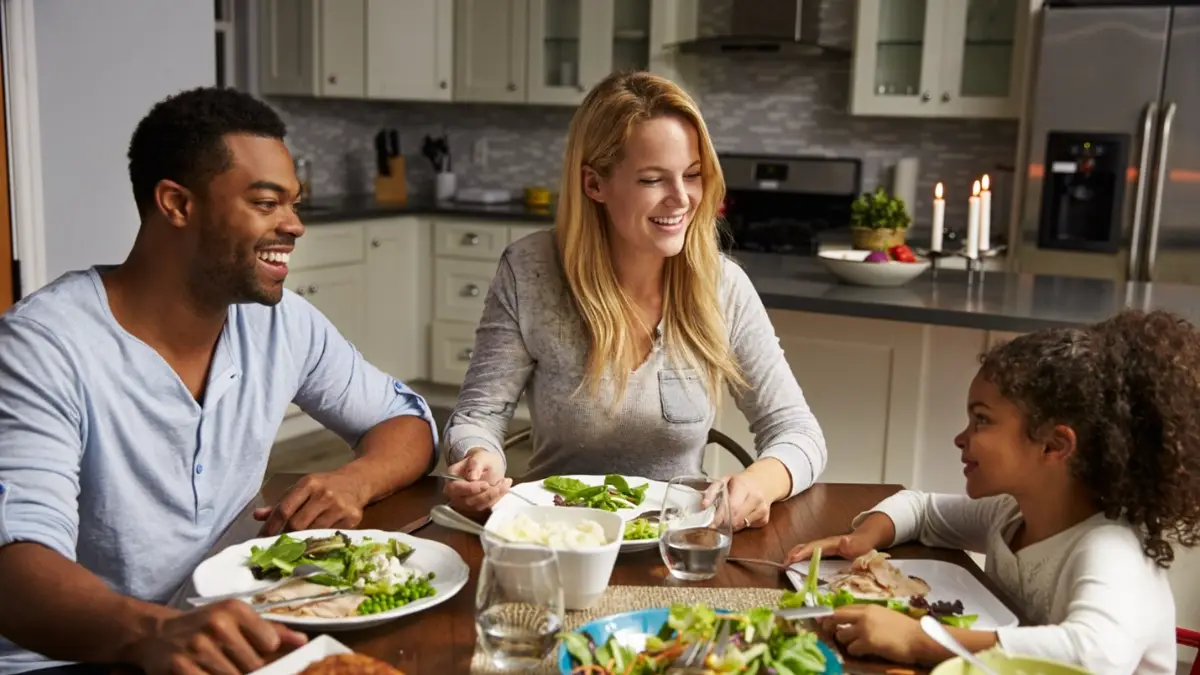
The Environmental Protection Agency estimates that an average family of four spends almost three thousand dollars a year on food that never gets eaten. That works out to just under fifty-eight dollars a week. The agency's home guide starts with a weekly meal plan and a shopping list that puts a quantity beside each ingredient. It also advises checking the fridge, freezer and pantry before buying. Perishable food should sit out no more than two hours, and refrigerators should stay at forty degrees Fahrenheit or colder. Leftovers go in clear, labeled containers, and extra food can be frozen. In 2019, households wasted 26.5 million tons of food, and only 3.7 percent of it was composted. Untouched food can go to food banks, and scraps can be composted.
Key points
- In 2019, about 96% of household food waste went to landfills, combustion or sewers, and only about 4% was composted.
- Perishables shouldn't sit out more than two hours, and fridges should stay at 40 °F (4.4 °C) or below.
- Safe, untouched food can go to food banks. The EPA page gives no leftover storage days or packaging rules.
The Environmental Protection Agency estimates that an average family of four spends almost $3,000 a year on food that never gets eaten. Its guide to preventing wasted food at home, a standing reference page rather than a new report, starts the fix with a weekly meal plan and a shopping list with quantities.
That works out to just under $58 a week, or roughly $750 for each person in the household. The guide gives no year for that figure or for its estimate that one-third of all US food goes uneaten. Its only dated number comes from the EPA's 2019 Wasted Food Report, published in April 2023: landfills, combustion facilities and sewer drains took in about 96% of household food waste that year. The report puts household wasted food at 26.5 million tons in 2019, with 66.2% landfilled, 15.1% burned, 15% sent down the drain and only 3.7% composted.
Plan the week's meals and write quantities on the shopping list
The EPA's approach starts with a running list of meals and ingredients the household already enjoys, which makes it easier to pick, buy and cook dishes that will actually get eaten. Next comes a look in the fridge, freezer and pantry so nobody buys food already in the house. The agency also suggests noting each week what needs to be used up and building the next meals around those items. Plan the meals first, then shop, and put only what those meals require in the cart.
The best shopping lists tally meals, not just items. The agency suggests writing a quantity beside each ingredient, such as salad greens enough for two lunches, to avoid overbuying. The list should also leave room for meals out, frozen precooked meals and nights of leftovers.
Buy-one-get-one offers only pay off when all the food is used before it spoils, while bulk bins allow shoppers to take just what they need. The EPA says produce with physical flaws is just as safe and nutritious, and stores sometimes discount it. When it's time to cook, the guide recommends making and serving portions that match the number of people at the table.

Perishables get two hours on the table, and the fridge should hold 40 °F (4.4 °C)
The food safety clock starts ticking as soon as dinner is served. Perishable food should sit out at room temperature for two hours at most, the agency says, and refrigerators should be set to hold 40 °F (4.4 °C) or below. The page does not say how many days leftovers keep in the fridge.
Placement inside the fridge matters too. The lower shelves are the coldest, which makes them the place for meat, poultry and fish. Condiments suit the door, the warmest part of the fridge, but milk and eggs do better somewhere else.
Leafy greens, carrots, cucumbers and broccoli go in the high-humidity drawer. Most fruits belong in the low-humidity drawer, as do vegetables that tend to rot, such as mushrooms and peppers. Store potatoes, winter squash, onions and garlic somewhere cool, dry, dark and well ventilated. As they ripen, bananas, apples, pears, stone fruits and avocados give off ethylene gas, so they should be stored away from other produce.
Leftovers go in clear, labeled containers or the freezer
The EPA recommends storing leftovers in the fridge or freezer in clear containers labeled with what is inside and the date. Bread, sliced fruit, meat or leftovers that won't be eaten in time can go into the freezer, which the agency advises checking often.
Soups, casseroles, stir fries, frittatas, sauces or baked goods can use up ingredients past their prime. Stale bread can become French toast or croutons, and vegetable scraps can go into stock. The agency also urges people to learn the difference between sell-by, use-by, best-by and expiration dates. Among its resources, the page lists an FDA guide to understanding date labels on packaged foods.

Untouched food can go to food banks, and scraps to compost
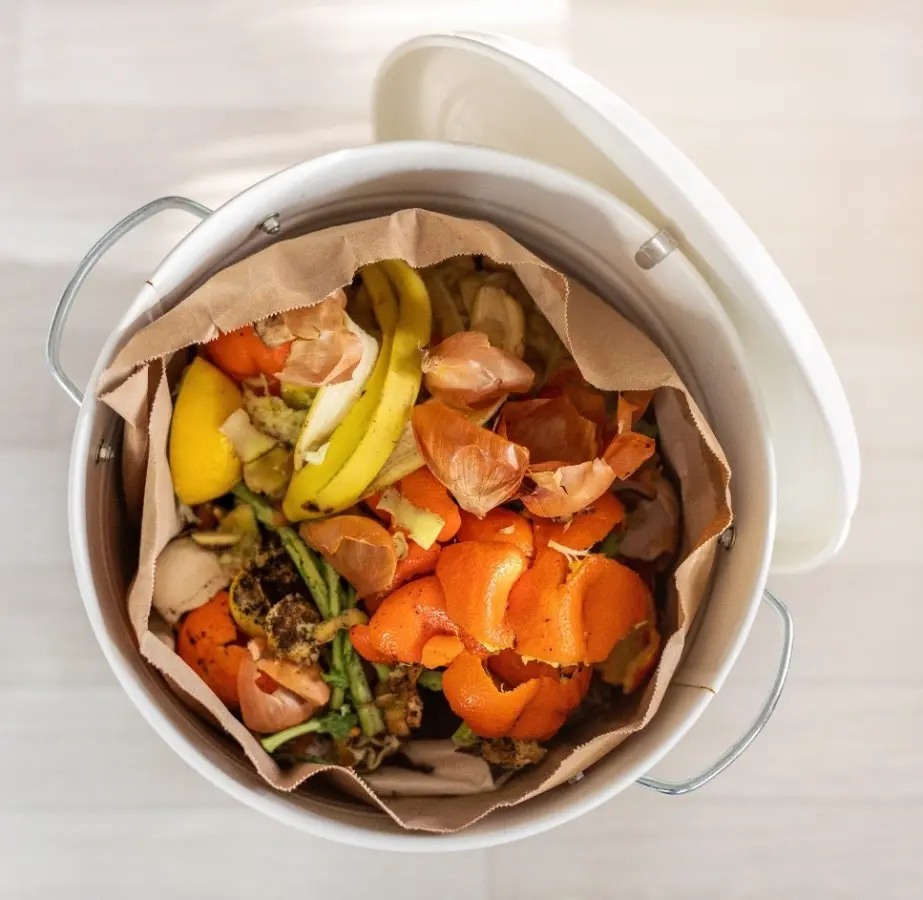
The EPA's next aim is keeping food the household can't eat out of the landfill. Nutritious, safe food that hasn't been touched can be donated to food banks, while scraps can be composted instead of going in the trash.
Wasted food carries a cost beyond the grocery bill. The EPA notes that the land, water, energy and other inputs used to produce, process, transport, prepare, store and dispose of food are lost along with it. That is why the guide puts planning, storage and cooking first and turns to donation and composting only for food a household can't avoid wasting.
The page does not list drop-off locations for scraps. The agency's composting toolkit is aimed at state and local governments, Tribes and other organizations that want to launch food scrap composting programs, raise participation in existing ones or reduce contamination in compost collection. It is designed to assist agencies that offer curbside collection or drop-off sites for residential food scraps. Only 3.7% of household food waste was composted in 2019, according to the EPA report, which says its national composting figure is likely an underestimate because it leaves out backyard and community composting.
On packaging, the guide says buying from bulk bins cuts down on it when shoppers take only the amount they need, and it asks that bulk food be stored in airtight, labeled containers. For households that want to measure how much food they actually throw away, the EPA points to its Food: Too Good to Waste toolkit. The agency's page also lists the FDA's tips to reduce food waste, including infographics on imperfect produce and on the impact of food waste.
Glossary for this story
- EPA
- The Environmental Protection Agency: the U.S. federal agency in charge of protecting air, water and land and enforcing environmental laws.
- Food waste
- Good food that gets thrown away. According to the FAO, about a third of the world’s food is lost or wasted.
- Composting
- Turning organic scraps, such as food and yard waste, into natural fertilizer.
Adrián Villellas
Writer at ECOnewsAdrián Villellas is a computer engineer and entrepreneur in the fields of digital marketing and advertising technology. He has led projects in data analysis, sustainable advertising, and solutions for new audiences. He also contributes to scientific initiatives related to astronomy and space observation. He writes for science, technology, and environmental media outlets, where he makes complex topics and innovative advances accessible to a broad audience.
More from Adrián VillellasComments · 0
Rules ›No comments yet. Be the first to share your view.