Food
Foods link together history, science and everyday life. We have looked into emergency food support for families, a grape seed found in a medieval latrine that tells us more about old wines, and research into the foods we eat.
48 stories · since 2025 · latest, November 14, 2026
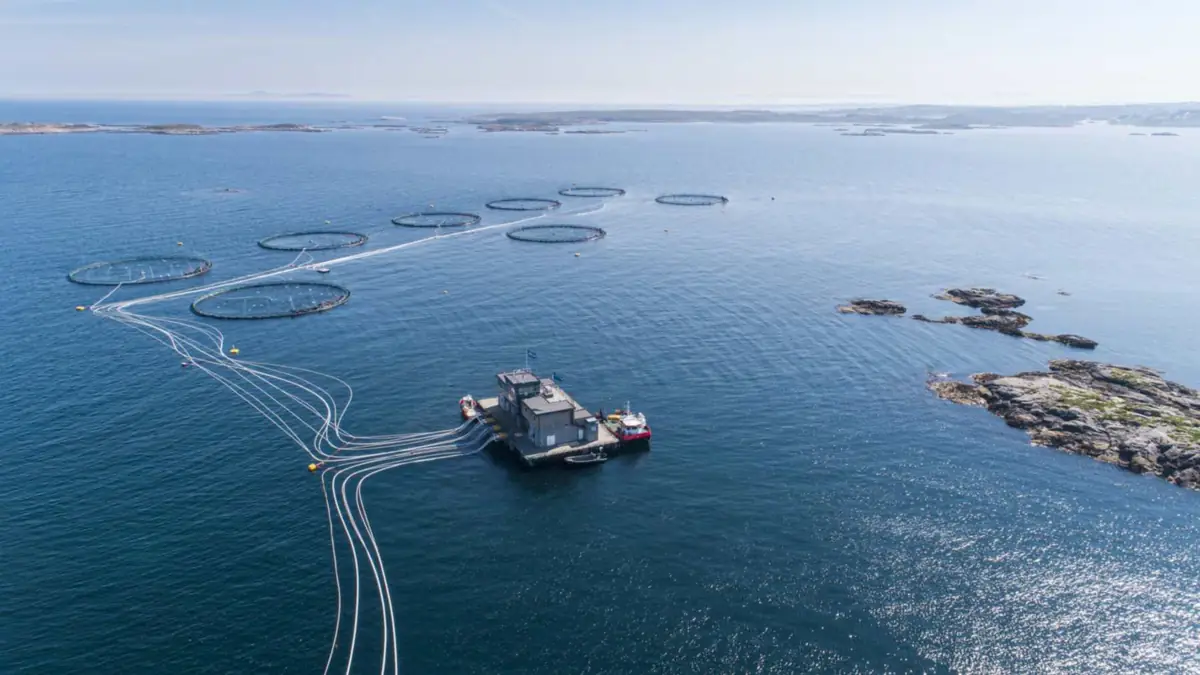
Some Norwegian salmon are eating poultry by-products people don’t eat, and their producer says that could cut its feed’s carbon footprint by up to 16 percent, but wild fish in the recipe complicate the story
Poultry by-products entered the salmon feed of Norway’s Lerøy Seafood Group in spring 2025. The company reports that they made up 2 percent of its feed…
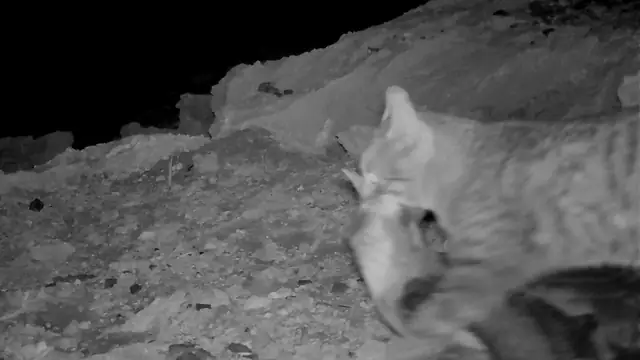
A Scottish sailor marooned on a Pacific island for 4 years fed goat meat to cats so rats would stop gnawing his feet, and cameras there have since caught a cat killing an endangered seabird

A French mail carrier tripped over a stone on his route, spent 93,000 hours building a palace in his vegetable garden, and the Culture Minister protected it against the advice of most officials in his ministry
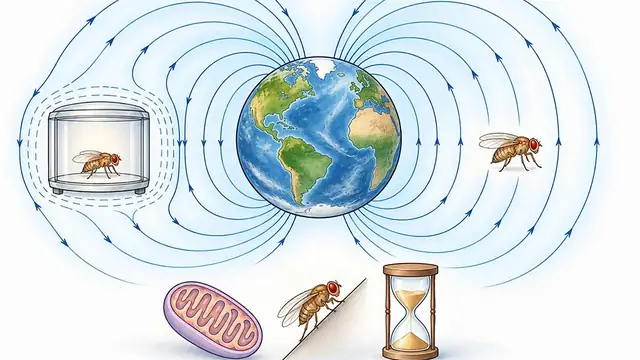
Fruit flies with a Parkinson’s-linked gene defect lived about 20 percent longer when shielded from Earth’s magnetic field, and the same insects got worse at one simple everyday task
Fruit flies with a defect in a Parkinson’s-linked gene lived about 20 percent longer when shielded from Earth’s magnetic field, according to a University…
ECOnews Newsroom · November 7, 2026
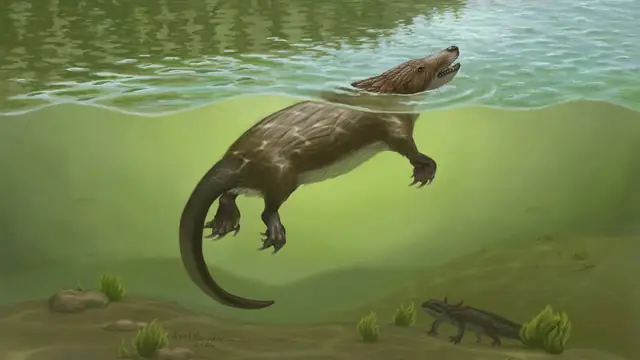
A Jurassic mammal relative from 165 million years ago swam with a broad otter-like tail, and its fossilized throat suggests it swallowed food much the way people do today
A Jurassic mammal relative that lived about 165 million years ago in what is now Inner Mongolia, China, swam with a broad, flat tail. Its throat bones…
ECOnews Newsroom · November 6, 2026
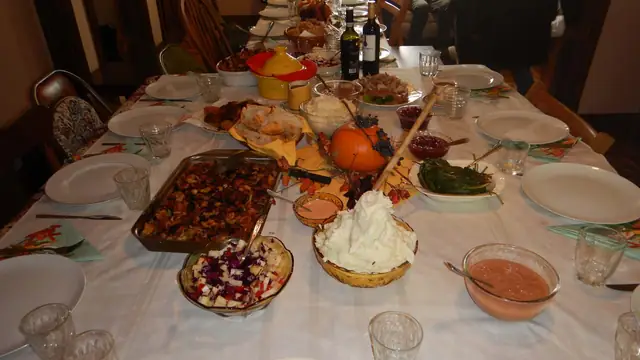
Thanksgiving food waste reached an estimated 320 million pounds in 2025, according to ReFED, and turkey made up 40 percent of it, while USDA guidance gives leftovers 3 to 4 days in the fridge
Thanksgiving food waste in the United States reached about 320 million pounds in 2025, according to ReFED. The nonprofit, which tracks wasted food, valued…
Adrian Villellas · November 5, 2026
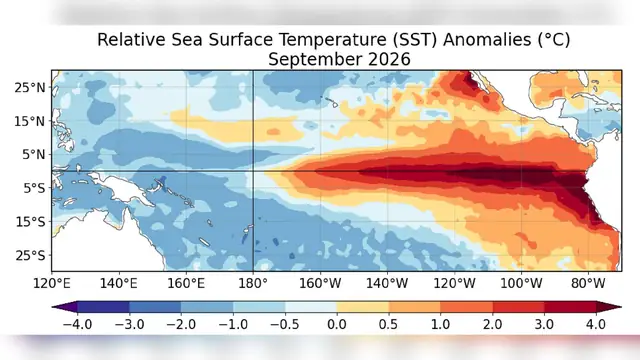
The Pacific is heating up and El Niño could become one of the strongest in modern records, and what worries aid agencies most is what it could mean for 49 million people’s food
El Niño is strengthening in the Pacific, and forecasters say it could become one of the strongest events in modern records. An October 8 update from…
ECOnews Newsroom · October 28, 2026
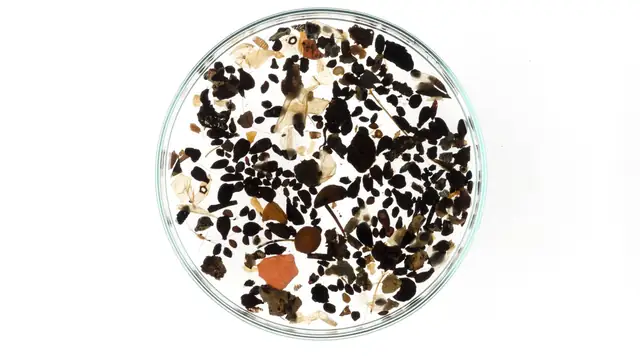
Centuries-old human waste buried beneath Dutch cities is revealing what families cooked for 350 years, and the real dinner was not the potato-and-meat plate everyone associates with the Netherlands
What was for dinner before potatoes became a Dutch staple? Centuries-old human waste and discarded kitchen scraps point to meals built around grains,…
Adrian Villellas · October 28, 2026
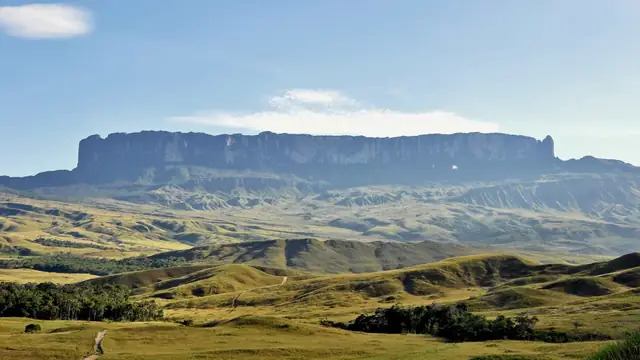
On Mount Roraima, where Venezuela, Brazil and Guyana meet, Pemón storytellers told an ethnologist in 1911 it was the stump of a tree bearing every fruit, and Brazil’s 2026 park plan names that tree
Brazil’s new management plan for the national park on Mount Roraima, where Venezuela, Brazil and Guyana meet, names the tree that Pemón storytellers…
ECOnews Newsroom · October 20, 2026
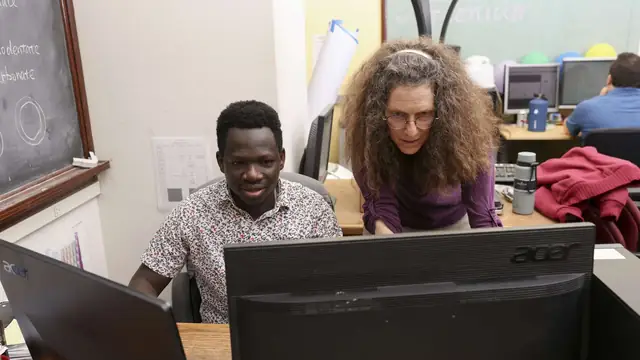
In Corvallis, Oregon, chemists separated zirconium and hafnium in water with choline, a common food additive, reaching a separation factor of 33, and the solvent method used at two U.S. plants scores 6 to 7
Chemists at Oregon State University in Corvallis, Oregon, have patented a way to separate zirconium and hafnium in water, with no organic solvent, using…
ECOnews Newsroom · October 20, 2026
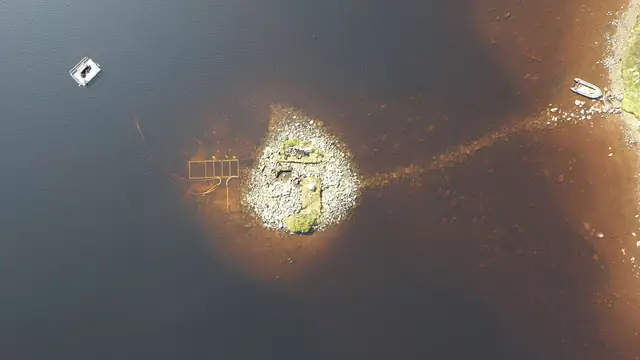
An islet in Scotland’s Loch Bhorgastail is a 5,000-year-old artificial island built on a 75-foot timber platform, and hundreds of Neolithic potsherds, some holding food residue, lay around it
In July 2023, archaeologists in Loch Bhorgastail, on Scotland’s Isle of Lewis, dug a small pit through a layer of laid logs and found more timbers…
ECOnews Newsroom · October 19, 2026
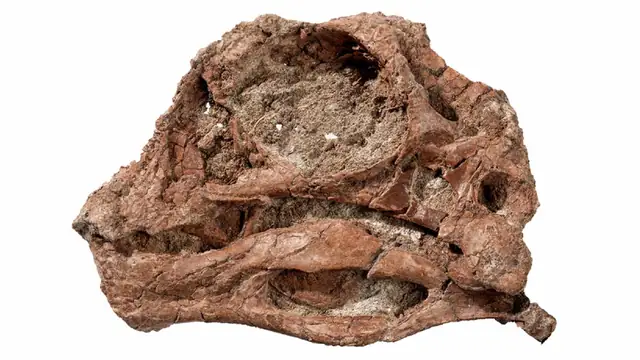
A toothless hell chicken dinosaur from Montana’s Hell Creek Formation weighed about 26 pounds, and scientists think its jaw slid back and forth to mash soft fruit like a parrot’s
A toothless dinosaur dug up in July 2011 in the Hell Creek Formation of Garfield County, Montana, has been named Infernogallus jamesi, and a new study in…
Adrian Villellas · October 18, 2026
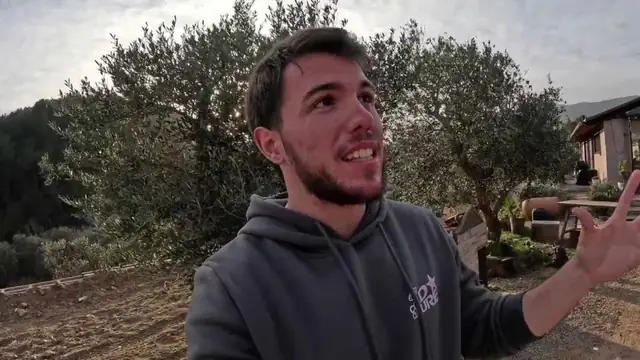
Juan, 29, chose an olive farm near Tarragona, Spain, over a Barcelona apartment costing more than $1,100 a month, and now he sells organic olive oil and grows 80 percent of his vegetables
Juan keeps his organic olive oil in a little stone hut at the mouth of a tunnel in a Catalan hillside. “We also use this as a storeroom, because it’s…
Adrian Villellas · October 15, 2026
A study of nearly 1 million UK adults found that people who like their tea or coffee very hot had about three times the risk of one type of esophageal cancer, and the researchers’ advice is simply to let it cool
Harindra Jayasekara studies the risk factors for esophageal cancer at Cancer Council Victoria in Melbourne, and he admits he likes his tea and coffee…
ECOnews Newsroom · October 5, 2026

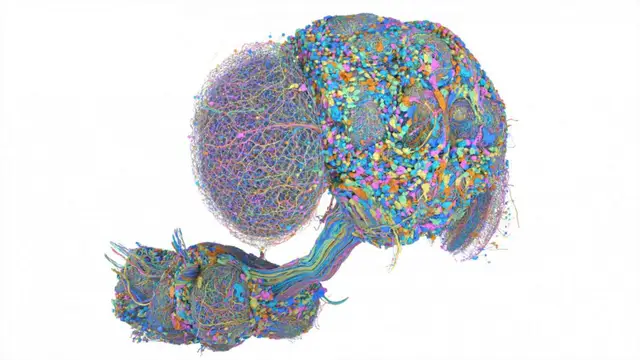
Janelia scientists spent 18 years mapping every neuron in a male fruit fly, 166,700 cells and 125 million connections, and days after the map came out programmers had it playing Doom
In 2008, Gerry Rubin’s lab in Ashburn, Virginia, decided to map every neuron in a fruit fly’s brain. A lot of other scientists thought the idea was crazy.…
Javier Niño · October 1, 2026