Food
48 stories · since 2025 · latest, November 14, 2026
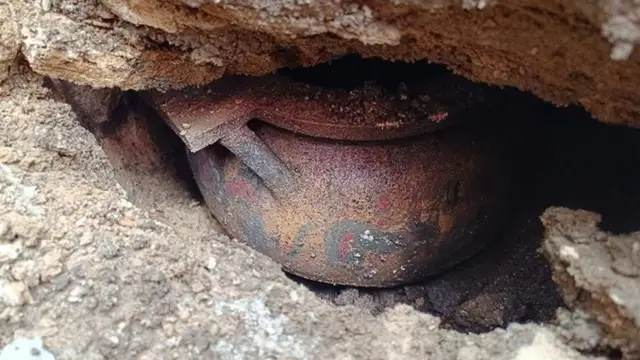
Archaeologists checking a building plot in Italy found a 2,600-year-old Etruscan tomb where a Greek wine vessel painted with horsemen and a siren held the cremated bones of a person of high rank
Archaeologists investigating a planned private construction project in southern Italy have uncovered a rare Etruscan burial dating back roughly 2,600…
Adrian Villellas · October 1, 2026
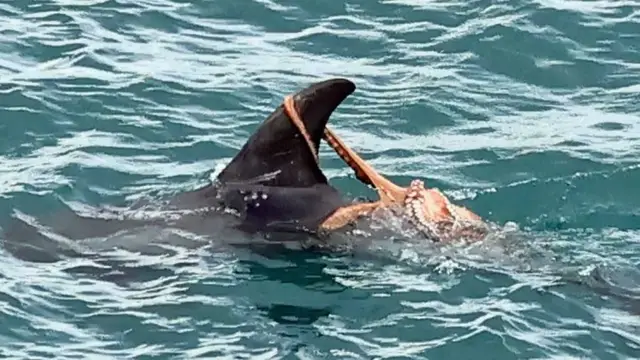
A volunteer photographer off Devon captured an octopus clinging to the fin of a Risso’s dolphin, and scientists say it shows how the biggest octopus boom in 75 years may be changing their diet
Off the coast of Devon, in southwest England, a volunteer photographer caught a scene that looks almost staged. A Risso’s dolphin cruises at the surface…
Adrian Villellas · September 30, 2026
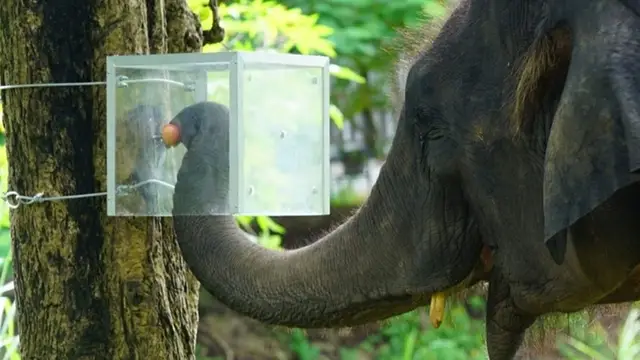
Scientists hid fruit in a box and taught 16 Asian elephants in Thailand to reach around it, then moved the opening and found they could drop a habit that no longer worked, though older ones took longer
Asian elephants can abandon a familiar way of reaching food when it stops working, according to a new study in Thailand. In tests with 16 animals,…
ECOnews Newsroom · September 28, 2026
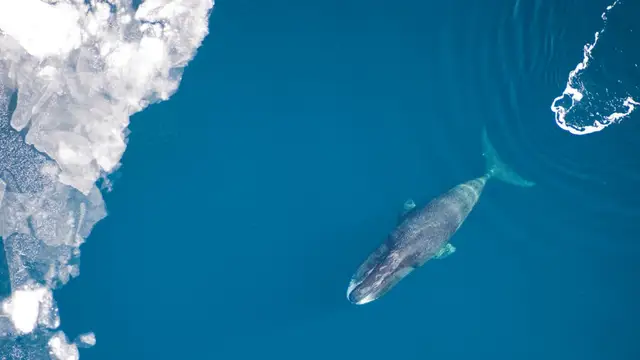
Bowhead whales can live for more than 200 years despite weighing up to 200,000 pounds, and scientists found their cells repair dangerous DNA breaks unusually well, with one protein even improving DNA repair in human cells and extending lifespan in fruit flies
Bowhead whales can live beyond 200 years without appearing unusually prone to cancer, and researchers think better DNA repair may help explain why. A 2025…
ECOnews Newsroom · September 22, 2026
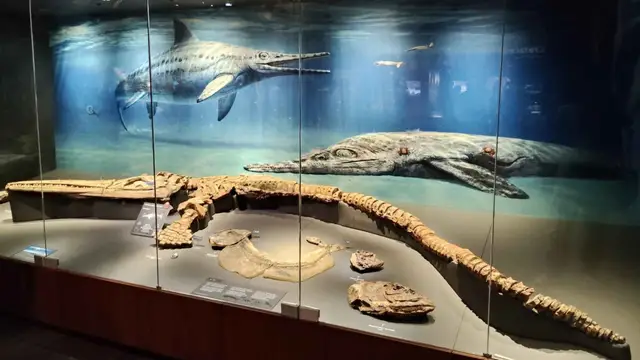
A Queensland fossil preserved an ichthyosaur’s last meal, but the hunter soon became food for something even larger
In Queensland, Australia, an ichthyosaur fossil nicknamed BOB (Platypterygius australis) revealed a food chain of three levels in the ancient Eromanga…
ECOnews Newsroom · September 11, 2026
A 13-year-old from Minnesota is testing peanut shells against pesticide residue, and the overlooked waste could become a food-safety tool
Fresh fruit and vegetables tend to have pesticides on their surfaces even after they are harvested. Arika started investigating a more practical and…
ECOnews Newsroom · September 7, 2026

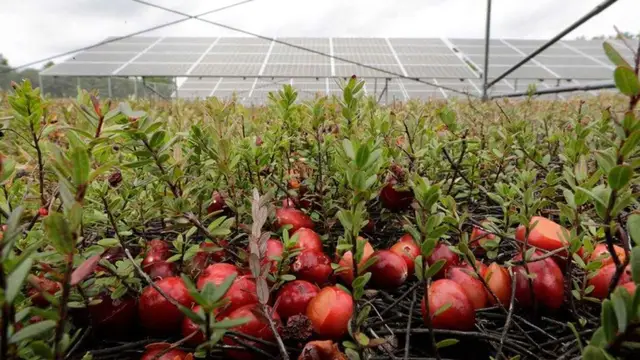
A Massachusetts cranberry bog grew under solar panels, and the result shows why shade can help crops without proving sweeter fruit
Can a cranberry bog be protected by a solar roof, while improving the harvest which grows under it? A field evaluation performed in Massachusetts may…
ECOnews Newsroom · September 6, 2026
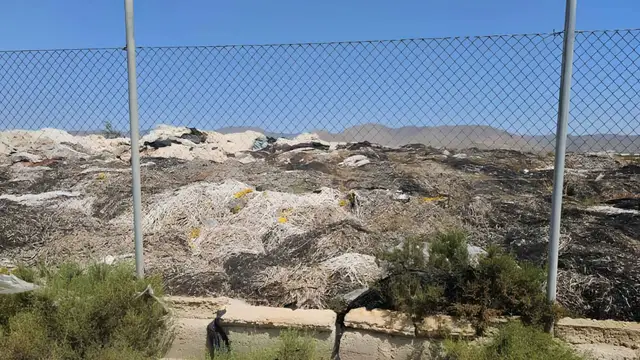
One plastic-covered plot in Almería is exposing the hidden cost of Europe’s greenhouse vegetables, and the waste has been piling up for more than a decade
A sprawling illegal dump in Boqueras Altas, near Níjar in Spain’s Almería province, has become a stark symbol of what happens when agricultural plastic…
Adrian Villellas · August 1, 2026
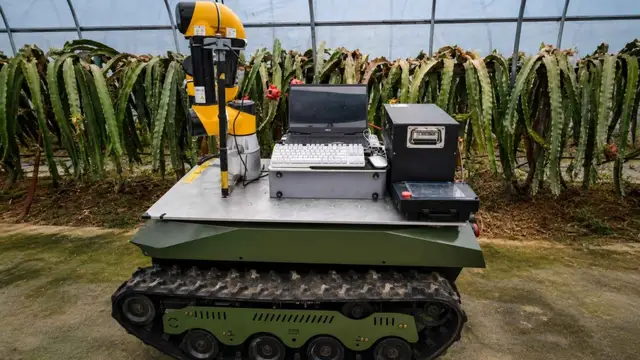
Young creators built DragonBot, a low-cost robot programmed to pick only one type of seasonal fruit, a very farm-smart idea that could save labor without relying on expensive machines
Picking fruit sounds simple until the fruit is heavy, easily bruised, and ready at different times on the same plant. A new autonomous machine called…
ECOnews Newsroom · July 25, 2026
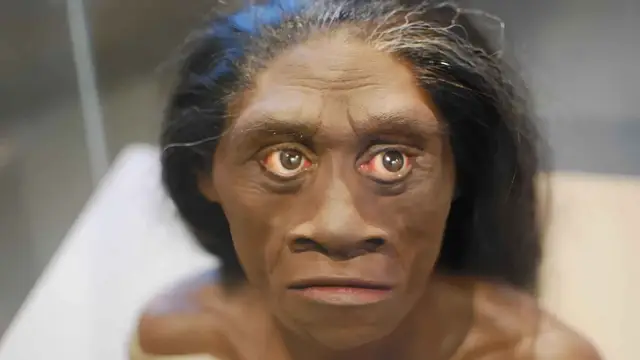
The tiny Homo floresiensis may have survived by scavenging food, an unexpected clue that changes the image of these small humans who lived isolated on a remote island
What if one of our most unusual prehistoric relatives survived not by hunting giants, but by waiting for giant lizards to finish eating? A new analysis…
ECOnews Newsroom · July 23, 2026
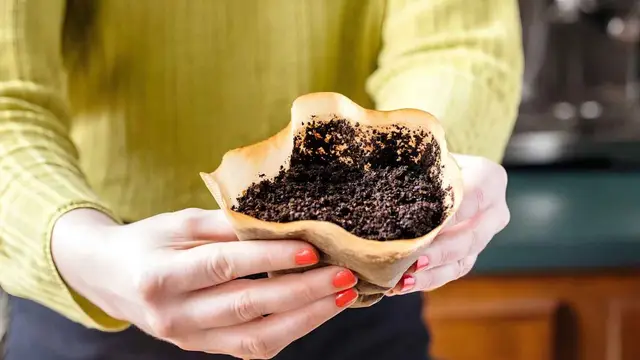
It all started with some coffee grounds that would normally have ended up in the trash; now, scientists have managed to turn them into a coal-like fuel in just 90 seconds
That soggy puck of coffee grounds left behind after your morning brew may not look like an energy resource. It is wet, messy, and usually treated as…
ECOnews Newsroom · July 13, 2026
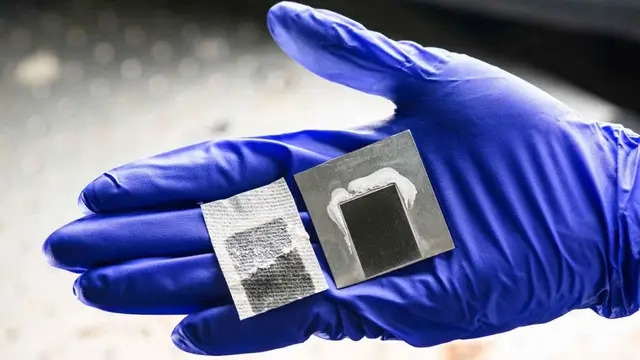
The idea—which sounds strange but might make sense—is to use sunlight, black metal, and the “coffee stain” effect to desalinate water without producing any liquid waste
Scientists in New York have developed a solar desalination system that does two jobs at once. It turns seawater into fresh water, and instead of leaving…
Adrian Villellas · July 10, 2026
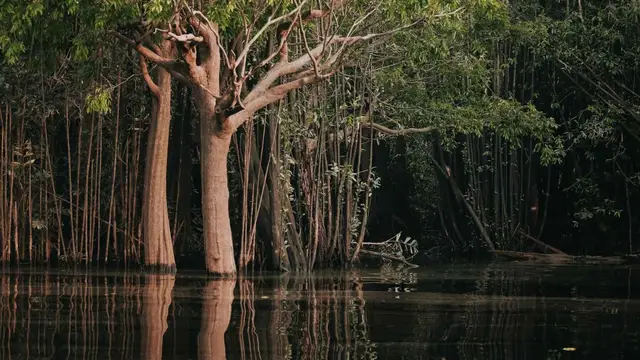
Scientists sequenced 461 trees from the Amazon and discovered a rather surprising clue: some species may be passing on defensive genes as if they were recipes for fighting pests
The Amazon is famous for having more kinds of trees than anywhere else, but one basic question still bothers scientists. How did so many related trees…
ECOnews Newsroom · July 8, 2026
Ancient teeth preserved in museums may harbor a vast microbial archive, and a new preliminary article suggests that dental plaque reveals how diet has influenced the oral bacteria of mammals
Old teeth stored in museum drawers may be holding more than clues about what animals looked like. A new preprint suggests that hardened dental plaque,…
ECOnews Newsroom · July 5, 2026
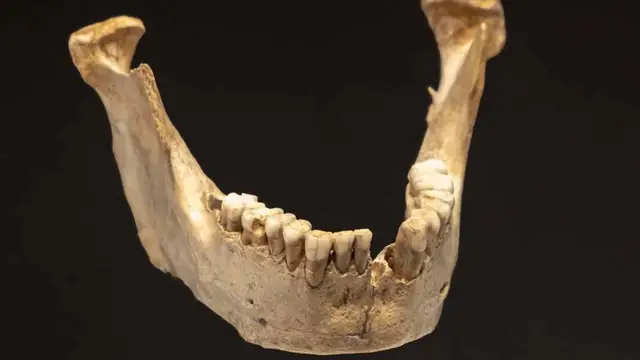
In Britain’s Bronze Age 3,000 years ago, communities held massive meat feasts, and the gatherings may have functioned like a social network that kept groups together
Have you ever looked at the leftovers after a family barbecue and thought about what they might tell someone 3,000 years from now? In southern Britain,…
ECOnews Newsroom · June 3, 2026