A 19th-century Vermont barn that housed an auto repair shop was cleared of nearly 12,000 tons of contaminated soil and is now part of a local food hub
With the contaminated soil gone, the Vermont site gives over 100 local food producers better market access and 25 full-time jobs, the EPA says.

· 3 min read
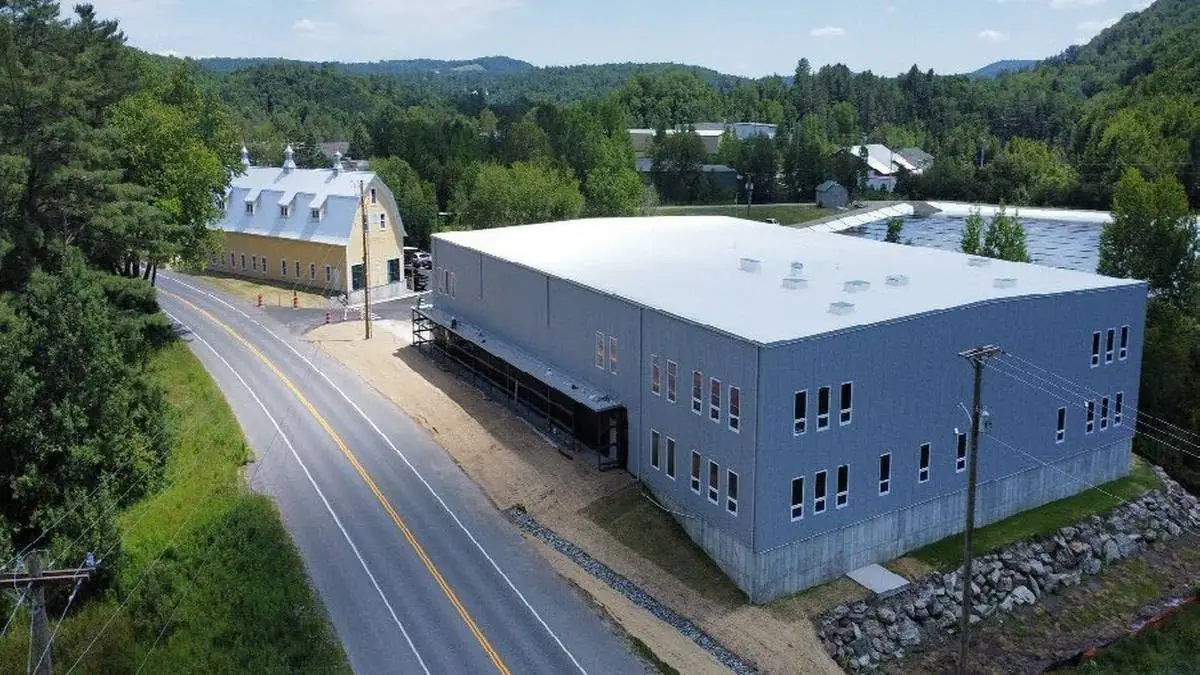
In Hardwick, Vermont, a mid-19th-century barn that served as an auto repair garage for more than three decades is now a local food store. A cleanup removed 11,976 tons of contaminated soil, including pollutants from burned fuels, plus arsenic and lead. Lower-level soil stayed on site under an engineered barrier, which is recorded in local land records. Assessments paid for with EPA funds paved the way after a nonprofit, the Center for an Agricultural Economy, set out to build a food hub there. Beside the 4,000-square-foot barn store stands a new 25,000-square-foot food hub with refrigerated storage. Its refrigeration system captures excess heat and reuses it to warm occupied parts of the building. The EPA says the project gives more than 100 local food producers better market access, helps distribute about 15 million dollars of local products a year, and provides 25 full-time jobs.
Key points
- Soil tests found polycyclic aromatic hydrocarbons, arsenic and lead.
- The project helps distribute about $15 million of local farm products a year.
- The new food hub covers 25,000 square feet.
- Its refrigeration system reuses excess heat to warm the building.
For more than three decades, the Yellow Barn in Hardwick, Vermont, was the site of an auto repair garage. Today the mid-19th-century barn is a local food store next to a new food hub, after a cleanup that removed 11,976 tons of contaminated soil.
The U.S. Environmental Protection Agency describes the project in a brownfields success story. The fact sheet, numbered EPA 901-F-26-003, is dated November 2026, and the EPA page was last updated on November 23.
Hardwick is a small rural community near the Montreal border, according to the EPA. The site sits close to a 95-mile trail across northern Vermont, used for hiking, cycling, horseback riding, skiing, snowshoeing, dogsledding and snowmobiling. The trail links 18 towns across the region, the EPA says.
What was in the ground
After the garage closed in 2017, a Vermont nonprofit, the Center for an Agricultural Economy, began working to create a food hub there. The group is dedicated to supporting local agriculture for social, economic and ecological vitality. Concerns about contamination from the site's past uses, however, stood in the way.
The Central Vermont Regional Planning Commission was the first partner to invest brownfields money, with a Phase 1 site assessment in 2018. The Northeast Vermont Development Association and the Vermont Department of Environmental Conservation followed with more assessments from 2019 to 2024.
Those assessments, paid for with EPA funds, examined soil, groundwater and indoor air. They took into account the property's history and its proximity to a rail corridor.
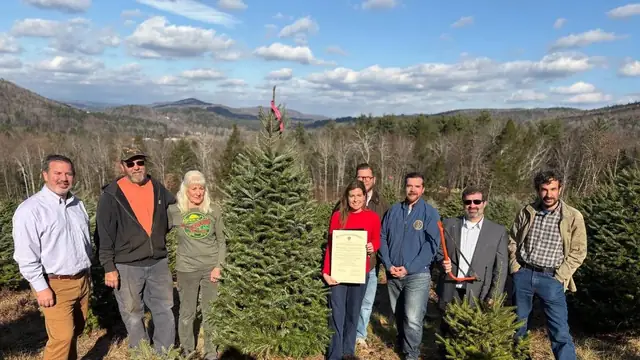
Soil samples showed polycyclic aromatic hydrocarbons, pollutants created when coal, wood and other fuels burn. Arsenic and lead also turned up in several samples, and excavation uncovered buried asphalt waste, old road construction debris and a burnt wooden structure.
The two metals are commonly found together when fill material was brought in from other places, the EPA explains. They also tend to show up together on properties in historically urban areas.
How the site was cleaned
The cleanup focused on managing contaminated soil while a large warehouse was built and the old barn was rehabilitated. Most of the 11,976 tons removed came from the western part of the property and were disposed of offsite.
Soil with lower levels of contamination stayed in place under an engineered barrier. That cap is documented in local land records, the EPA says.
"EPA's investment was a critical catalyst for making this adaptive reuse possible," said David Snedeker, executive director of the Northeastern Vermont Development Association. He said an extensive site study had found the property the most appropriate for the town's expanding agricultural sector. The reasons were its ready access to three-phase power, state highways and off-site sewer.
What stands there now
The historic barn now houses a 4,000-square-foot specialty food store selling local products. Next to it is a new 25,000-square-foot food hub and agricultural center with community spaces for education and engagement.
The hub offers refrigerated storage, which makes it easier to distribute local products such as dairy and vegetables. Its CO2-based refrigeration system captures excess heat and reuses it as the main heat source for occupied parts of the building.
According to the EPA, the project gives more than 100 local food producers better access to markets. It helps distribute about $15 million worth of local agricultural products a year and provides 25 full-time jobs.
In the agency's records, the property's current use is now listed as a local food retail outlet and an industrial accelerator building. Its former use, for decades, appears there as an auto repair garage.
Why it matters beyond Hardwick
The EPA lists the grant used in Hardwick as an assessment grant. Its recipients were the Vermont Department of Environmental Conservation, the Northeast Vermont Development Association and the Central Vermont Regional Planning Commission.
The agency's Brownfields and Land Revitalization Program provides grants and technical assistance to communities, states, tribes and others. The goal is to assess, safely clean up and sustainably reuse contaminated properties, according to the program's site.
Funding is now available for the 2027 round of brownfield assessment, revolving loan fund and cleanup grants, the EPA says. It has also allocated up to $6 million for fiscal year 2027 brownfields job training grants.
The facility now draws people from across the state, including outdoor enthusiasts using the nearby 95-mile trail, the agency notes. More information is available on the EPA's brownfields program site.
Photo: NVDA via EPA
Glossary for this story
- EPA
- The Environmental Protection Agency: the U.S. federal agency in charge of protecting air, water and land and enforcing environmental laws.
ECOnews Newsroom
Writer at ECOnewsA team of journalists specializing in socio-environmental news, sustainability, climate change, the environment, responsible consumption, and innovation. At EcoNews, we provide clear, reliable, and relevant coverage of the environmental and social challenges shaping our era.
More from ECOnews NewsroomComments · 0
Rules ›No comments yet. Be the first to share your view.