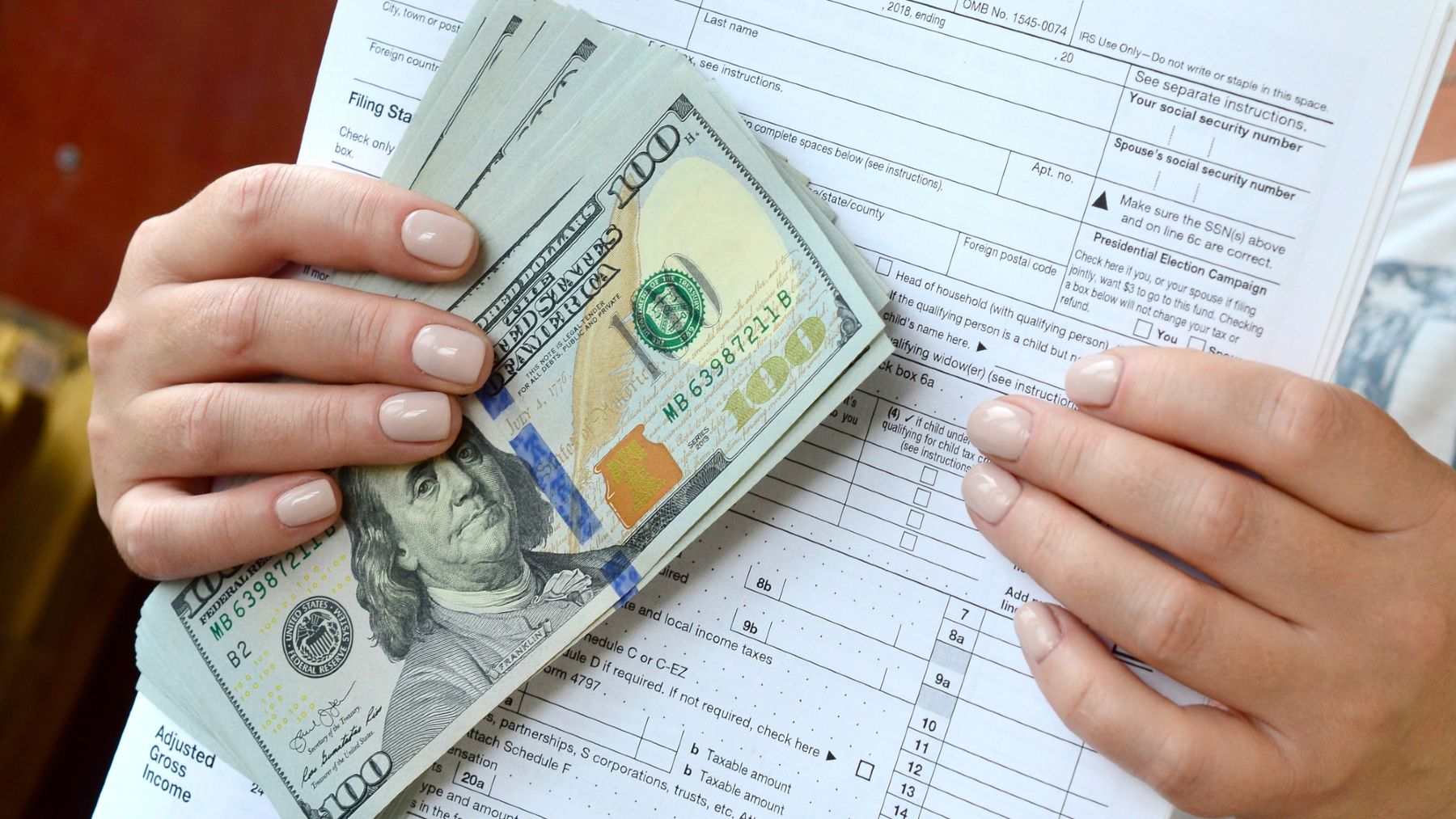
As August approaches, Washington state residents eagerly expect a significant enhancement to their wallets through energy rebates. It’s reported that the state government intends to provide over $150 million in tax rebates to more than 700,000 individuals this autumn. Funded from the CCA revenue, this initiative will help lessen the cost of energy while embracing energy-efficient measures among households.
As payments are expected to commence next month, many people in Washington are eager to become familiar with this program and learn how to get this rebate money. This timely financial aid is helpful and valuable for many families experiencing such costs and economic hardships.
Understanding the climate commitment act’s impact on our future
This rebate program is built upon the Climate Commitment Act, a historic act designed to cut greenhouse gas emissions in Washington state. Devised to attain the lofty objective of a 95 percent reduction in emissions by 2050, the CCA has placed a cap-and-invest program that has had observable impacts on the state’s economy. A prominent feature has been the hike in the price of gasoline by fifty cents per gallon, a move that has been controversial among people in the area.
It also limits future trading of carbon tax credits. At the same time, proponents posit that the fight against global warming and the transition to cleaner warrants such actions. Some critics have accused the CCA of leading to cost creep without being matched with similar reductions in carbon emissions.
Eligibility requirements: How to secure your $200 energy rebate
For residents of Washington to obtain the $200 energy rebate, specific criteria must be met. For instance, such requirements may vary with some flexibility for different counties and utility districts, although the leading target group is low-income citizens. For example, applicants with a household income of 80% or less than the adjusted median income (AMI) will be given preference when applying for the program in Snohomish County.
Nevertheless, those with an income up to 150 percent AMI are also likely to be considered. This approach ensures that the targeted groups are only given rebates and that other residents are not shut out of the opportunity. Some areas, including the Snohomish County Public Utility District, have already started taking rebate applications and opened the online registration. Candidates should contact their local power providers or visit the appropriate state website.
What’s next for the rebate program? Key decisions ahead
Even though these rebates will be available soon and will allow millions of people in Washington state to save some dollars, the future of this program is still unknown. Voters can choose the Climate Commitment Act’s fate in November, which is only two months after the distribution of these funds starts with Initiative 2117. If this is the case, this could lead to repealing the CCA and the future removal of these energy rebates in the following years.
This upcoming vote has supporters of acts claiming that the act brings down carbon emission while the detractors say it negatively impacts the economy. It means that whichever way this vote goes, it will define not only the future of these rebates but also the future of anything related to climate or energy in Washington. Everyone should know this voting method and the repercussions that can be faced or the environment that affects this state.
Conclusion: Don’t miss out on your energy rebate this September
Last, and as September begins, Washington residents will gain from the energy rebates due to the state’s efforts on climate change. In this case, the direct freebie is the extension of $150 million in tax rebates, a significant investment in financial security and the state’s efforts to address climate change. Of course, $200 is suitable for many households, which is good for everyone, but this is not only about filling accounts.
They may be used to show what climate policies can be made to provide solutions to people that are to their benefit while addressing environmental impacts in the future. Such rebates offer some hope of development where Washington Labor fails to find the right balance between ecological and economic obligations to the public.
Whether this program persists over the subsequent years will hinge on the November results. Hence, it is relevant for all the concerned residents to apply for their rebates and be part of the ongoing discourse about energy and climate future back in the state.